
LIVE NEWS
  • Pentagon, Boeing agree to triple PAC-3 seeker production
  • Fossil reveals that an early relative of spiders had claws
  • As Israel invades south Lebanon, many worry they’ll never go home : NPR
  • Fed’s Barr Calls for Stronger Stablecoin Oversight
  • Depthfirst Raises $80 Million in Series B Funding
  • Bitcoin climbs to $68k as Trump spurs Iran de-escalation hopes By Investing.com
  • U.S. Is Weighing Leaving NATO, Trump Says
  • My Dad Always Said We Don’t Have Tomorrow. I Finally Listened.
Prime Reports
  • Home
  • Popular Now
  • Crypto
  • Cybersecurity
  • Economy
  • Geopolitics
  • Global Markets
  • Politics
  • See More
    • Artificial Intelligence
    • Climate Risks
    • Defense
    • Healthcare Innovation
    • Science
    • Technology
    • World
Prime Reports
  • Home
  • Popular Now
  • Crypto
  • Cybersecurity
  • Economy
  • Geopolitics
  • Global Markets
  • Politics
  • Artificial Intelligence
  • Climate Risks
  • Defense
  • Healthcare Innovation
  • Science
  • Technology
  • World
Home»Technology»Explanation for why we don’t see two-foot-long dragonflies anymore fails
Technology

Explanation for why we don’t see two-foot-long dragonflies anymore fails

primereportsBy primereportsMarch 29, 2026No Comments2 Mins Read
Share Facebook Twitter Pinterest LinkedIn Tumblr Reddit Telegram Email
Explanation for why we don’t see two-foot-long dragonflies anymore fails
Share
Facebook Twitter LinkedIn Pinterest Email


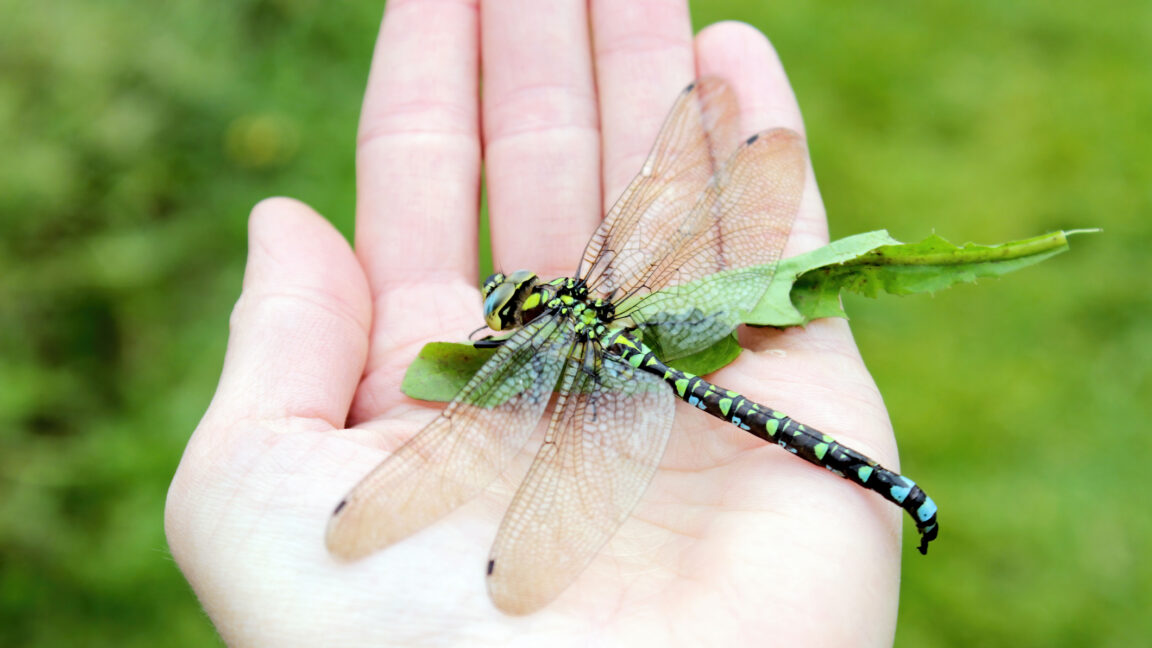
Three-hundred million years ago, the skies of the late Palaeozoic era were buzzing with giant insects. Meganeuropsis permiana, a predatory insect resembling a modern-day dragonfly, had a wingspan of over 70 centimeters and weighed 100 grams. Biologists looked at these ancient behemoths and asked why bugs aren’t this big anymore. Thirty years ago, they came up with an answer known as the “oxygen constraint hypothesis.”

For decades, we thought that any dragonflies the size of hawks needed highly oxygenated air to survive because insect breathing systems are less efficient than those of mammals, birds, or reptiles. As atmospheric oxygen levels dropped, there wasn’t enough to support giant bugs anymore. “It’s a simple, elegant explanation,” said Edward Snelling, a professor of veterinary science at the University of Pretoria. “But it’s wrong.”

Insect breathing

Unlike mammals, insects don’t have a centralized pair of lungs and a closed circulatory system that delivers oxygen-rich blood to their tissues. “They breathe through internalized tubing called the tracheal system,” Snelling explained.

Air enters the insect’s body through specialized portholes on their exoskeleton called spiracles. From there, it travels down larger tubes, the tracheae, which gradually branch into microscopically thin, blind-ending tubes known as tracheoles. These tracheoles are embedded deep within the insect’s tissues, and mitochondria in neighboring cells cluster next to them.

Insects can actively pump air in and out of the larger tracheae by flexing their bodies, but this active pumping stops at the very end of the line, in the tiny tracheoles. Here, oxygen delivery relies on passive diffusion to cross the final barrier into the tissue.

The problem with diffusion is that it’s notoriously slow. The oxygen constraint hypothesis argued that the larger the insect grows, the further the oxygen must travel to reach the deepest tissues.

“As the insects get bigger and bigger, the challenge of diffusion becomes greater,” Snelling said.

To prevent the muscles from suffocating, a bigger insect would need significantly wider or far more numerous tracheoles to maintain the supply of oxygen, which implied there had to be a structural tipping point. If an insect gets too big, the volume of breathing tubes required to supply its muscles with oxygen would take up too much physical space. The tracheoles would crowd the very muscle fibers they were trying to fuel, leaving the insect with severely impaired flight performance.

Share. Facebook Twitter Pinterest LinkedIn Tumblr Email
Previous ArticleDozens detained in Tel Aviv as anti-war protest turns violent | US-Israel war on Iran
Next Article Full network of clitoral nerves mapped out for first time | Women’s health
primereports
  • Website

Related Posts

Technology

12 irresistibly boxy and beige Apple accessories that’ll transform your shiny new gadgets into retro tech in seconds

April 1, 2026
Technology

The best deals to shop during the last few hours of Amazon’s Big Spring Sale

April 1, 2026
Technology

Anthropic is having a month

April 1, 2026
Add A Comment
Leave A Reply Cancel Reply

Top Posts

Global Resources Outlook 2024 | UNEP

December 6, 20257 Views

The D Brief: DHS shutdown likely; US troops leave al-Tanf; CNO’s plea to industry; Crowded robot-boat market; And a bit more.

February 14, 20264 Views

German Chancellor Merz faces difficult mission to Israel – DW – 12/06/2025

December 6, 20254 Views
Stay In Touch
  • Facebook
  • YouTube
  • TikTok
  • WhatsApp
  • Twitter
  • Instagram
Latest Reviews

Subscribe to Updates

Get the latest tech news from FooBar about tech, design and biz.

PrimeReports.org
Independent global news, analysis & insights.

PrimeReports.org brings you in-depth coverage of geopolitics, markets, technology and risk – with context that helps you understand what really matters.

Editorially independent · Opinions are those of the authors and not investment advice.
Facebook X (Twitter) LinkedIn YouTube
Key Sections
  • World
  • Geopolitics
  • Popular Now
  • Artificial Intelligence
  • Cybersecurity
  • Crypto
All Categories
  • Artificial Intelligence
  • Climate Risks
  • Crypto
  • Cybersecurity
  • Defense
  • Economy
  • Geopolitics
  • Global Markets
  • Healthcare Innovation
  • Politics
  • Popular Now
  • Science
  • Technology
  • World
  • About Us
  • Contact Us
  • Privacy Policy
  • Terms & Conditions
  • Disclaimer
  • Cookie Policy
  • DMCA / Copyright Notice
  • Editorial Policy

Sign up for Prime Reports Briefing – essential stories and analysis in your inbox.

By subscribing you agree to our Privacy Policy. You can opt out anytime.
Latest Stories
  • Pentagon, Boeing agree to triple PAC-3 seeker production
  • Fossil reveals that an early relative of spiders had claws
  • As Israel invades south Lebanon, many worry they’ll never go home : NPR
© 2026 PrimeReports.org. All rights reserved.
Privacy Terms Contact

Type above and press Enter to search. Press Esc to cancel.