
LIVE NEWS
  • The lamentable state of British defence acquisition
  • One of the sky’s rarest phenomena is back — How to see rare night-shining clouds this summer
  • A maritime drone explodes at a Romanian Black Sea port, no one hurt
  • A stablecoin tied to Strategy stock depegs putting a new DeFi dollar risk in focus as Bitcoin sells off
  • Rust-Written IronWorm Hits NPM Supply Chain
  • Panini stickers, a World Cup tradition, sees biggest demand yet in the U.S. : NPR
  • As Global Demand for Gold Grows, UN Mercury Head Warns Toxic Fumes Put Women in a Motherhood Dilemma — Global Issues
  • XAU/USD languishes below $4,480 with US Nonfarn Payrolls on tap
Prime Reports
  • Home
  • Popular Now
  • Crypto
  • Cybersecurity
  • Economy
  • Geopolitics
  • Global Markets
  • Politics
  • See More
    • Artificial Intelligence
    • Climate Risks
    • Defense
    • Healthcare Innovation
    • Science
    • Technology
    • World
Prime Reports
  • Home
  • Popular Now
  • Crypto
  • Cybersecurity
  • Economy
  • Geopolitics
  • Global Markets
  • Politics
  • Artificial Intelligence
  • Climate Risks
  • Defense
  • Healthcare Innovation
  • Science
  • Technology
  • World
Home»Healthcare Innovation»Scientists discover hidden gut signals that could detect cancer early
Healthcare Innovation

Scientists discover hidden gut signals that could detect cancer early

primereportsBy primereportsApril 6, 2026No Comments3 Mins Read
Share Facebook Twitter Pinterest LinkedIn Tumblr Reddit Telegram Email
Scientists discover hidden gut signals that could detect cancer early
Share
Facebook Twitter LinkedIn Pinterest Email


Scientists have identified a set of biological markers that could significantly improve how gastrointestinal diseases (GIDs) are detected and treated. These conditions include gastric cancer (GC), colorectal cancer (CRC), and inflammatory bowel disease (IBD).

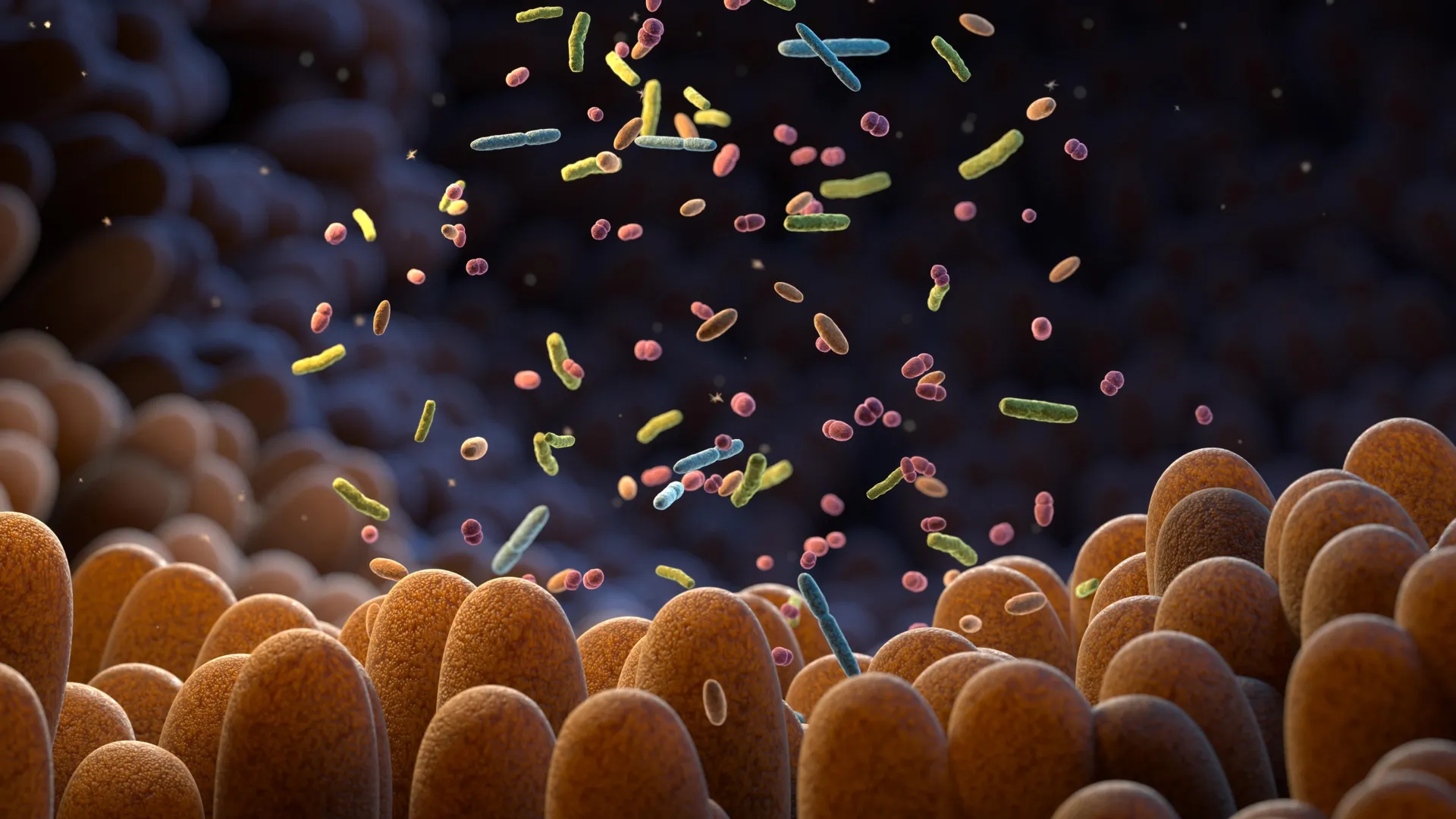
Their findings show that specific gut bacteria and chemical compounds, known as metabolites, are closely linked to each disease. This raises the possibility of diagnosing these conditions earlier and with less invasive methods. Some of these markers may even signal risk across multiple diseases.

AI Reveals Shared Gut Biomarkers Across Diseases

To uncover these patterns, researchers used advanced machine learning and AI-based tools to analyze microbiome and metabolome data from patients with GC, CRC, and IBD. By comparing data across diseases, they discovered that models trained on one condition could often predict markers for another. For example, models based on GC data were able to identify IBD biomarkers, while CRC models could accurately predict GC-related markers.

The research was carried out by teams from the University of Birmingham Dubai (Part of Health Data Science MSc Programme), University of Birmingham, Birmingham, UK, and University Hospitals Birmingham NHS Foundation Trust. Their results were published in Journal of Translational Medicine.

Lead co-author Dr. Animesh Acharjee from the University of Birmingham explained: “Current diagnostic methods like endoscopy and biopsies are effective but can be invasive, expensive, and sometimes miss diseases at early stages.

“Our analysis offers a better understanding of the underlying mechanisms driving disease progression and identifies key biomarkers for targeted therapies. These biomarkers could help identify diseases earlier and more accurately, leading to better, more personalised treatment.”

Disease-Specific and Overlapping Gut Signatures

The study also highlighted distinct microbial and metabolic patterns for each disease, along with important overlaps.

In GC, bacteria from the Firmicutes, Bacteroidetes, and Actinobacteria groups were commonly found. Researchers also observed changes in metabolites such as dihydrouracil and taurine. Some of these markers were also linked to IBD, pointing to shared biological features. However, while they were useful for identifying IBD, they were less effective for detecting CRC.

For CRC, key indicators included bacteria like Fusobacterium and Enterococcus, along with metabolites such as isoleucine and nicotinamide. Some of these also appeared in GC, suggesting that these diseases may share underlying biological pathways.

In IBD, bacteria from the Lachnospiraceae family played an important role, along with metabolites like urobilin and glycerate. Notably, some of these markers are also involved in cancer-related processes, reinforcing the idea that these conditions are interconnected.

Simulations Show Clear Differences Between Healthy and Diseased States

The team also simulated how gut microbes grow and how metabolites flow through biological systems. These simulations revealed clear metabolic differences between healthy individuals and those with disease, further supporting the role of these biomarkers in diagnosis.

“Our study’s cross-disease analysis emphasised the potential of using microbial and metabolic biomarkers identified in one GID to predict another,” added Dr. Acharjee. “This innovative approach could lead to the development of universal diagnostic tools to revolutionise the diagnosis and treatment of for multiple gastrointestinal conditions.”

Toward Non-Invasive Tests and Personalized Treatments

Looking ahead, the researchers plan to explore how these findings can be applied in clinical settings. This includes developing non-invasive diagnostic tests and more targeted therapies based on the identified biomarkers.

They also intend to validate their models using larger and more diverse patient groups, as well as investigate whether these biomarkers could help predict additional related diseases in the future.

Share. Facebook Twitter Pinterest LinkedIn Tumblr Email
Previous ArticleNYT Connections hints and answers for Monday, April 6 (game #1030)
Next Article Trump signs order aimed at stabilizing college sports with threats to federal funding
primereports
  • Website

Related Posts

Healthcare Innovation

A study of 8,300 older adults revealed a surprising salt habit

June 5, 2026
Healthcare Innovation

AI PCs and HIPAA: Here’s What Healthcare Organizations Need to Know

June 5, 2026
Healthcare Innovation

Americans exposed to DRC Ebola can access experimental treatment

June 5, 2026
Add A Comment
Leave A Reply Cancel Reply

Top Posts

Paxton’s win over Cornyn sets up high-stakes Texas clash with Talarico

May 28, 202616 Views

Global Resources Outlook 2024 | UNEP

December 6, 202510 Views

Texas Democrat Talarico claims voting laws are rigged ahead of Paxton race

May 28, 20269 Views
Stay In Touch
  • Facebook
  • YouTube
  • TikTok
  • WhatsApp
  • Twitter
  • Instagram
Latest Reviews

Subscribe to Updates

Get the latest tech news from FooBar about tech, design and biz.

PrimeReports.org
Independent global news, analysis & insights.

PrimeReports.org brings you in-depth coverage of geopolitics, markets, technology and risk – with context that helps you understand what really matters.

Editorially independent · Opinions are those of the authors and not investment advice.
Facebook X (Twitter) LinkedIn YouTube
Key Sections
  • World
  • Geopolitics
  • Popular Now
  • Artificial Intelligence
  • Cybersecurity
  • Crypto
All Categories
  • Artificial Intelligence
  • Climate Risks
  • Crypto
  • Cybersecurity
  • Defense
  • Economy
  • Geopolitics
  • Global Markets
  • Healthcare Innovation
  • Politics
  • Popular Now
  • Science
  • Technology
  • World
  • About Us
  • Contact Us
  • Privacy Policy
  • Terms & Conditions
  • Disclaimer
  • Cookie Policy
  • DMCA / Copyright Notice
  • Editorial Policy

Sign up for Prime Reports Briefing – essential stories and analysis in your inbox.

By subscribing you agree to our Privacy Policy. You can opt out anytime.
Latest Stories
  • The lamentable state of British defence acquisition
  • One of the sky’s rarest phenomena is back — How to see rare night-shining clouds this summer
  • A maritime drone explodes at a Romanian Black Sea port, no one hurt
© 2026 PrimeReports.org. All rights reserved.
Privacy Terms Contact

Type above and press Enter to search. Press Esc to cancel.