
LIVE NEWS
  • CEO of Minnesota-based company shares her experience applying for a tariff refund : NPR
  • ‘They have been exposed’: The Iran war upends Gulf states’ security and business model
  • Washington-backed rare earth group to buy Brazilian miner for $2.8bn
  • US Army turns to Ukraine-tested drones to counter Iranian UAV threat
  • Increasing heat can boost malnutrition among children
  • More than 200 rescued from IS-linked group in DR Congo
  • What Happens to Bitcoin if the TradFi rally breaks? Wall Street keeps printing record highs but consumer confidence just hit rock bottom
  • Why the Axios attack proves AI is mandatory for supply chain security
Prime Reports
  • Home
  • Popular Now
  • Crypto
  • Cybersecurity
  • Economy
  • Geopolitics
  • Global Markets
  • Politics
  • See More
    • Artificial Intelligence
    • Climate Risks
    • Defense
    • Healthcare Innovation
    • Science
    • Technology
    • World
Prime Reports
  • Home
  • Popular Now
  • Crypto
  • Cybersecurity
  • Economy
  • Geopolitics
  • Global Markets
  • Politics
  • Artificial Intelligence
  • Climate Risks
  • Defense
  • Healthcare Innovation
  • Science
  • Technology
  • World
Home»Science»Increasing heat can boost malnutrition among children
Science

Increasing heat can boost malnutrition among children

primereportsBy primereportsApril 20, 2026No Comments3 Mins Read
Share Facebook Twitter Pinterest LinkedIn Tumblr Reddit Telegram Email
Increasing heat can boost malnutrition among children
Share
Facebook Twitter LinkedIn Pinterest Email

Climate change may be worsening nutritional problems for already vulnerable children.

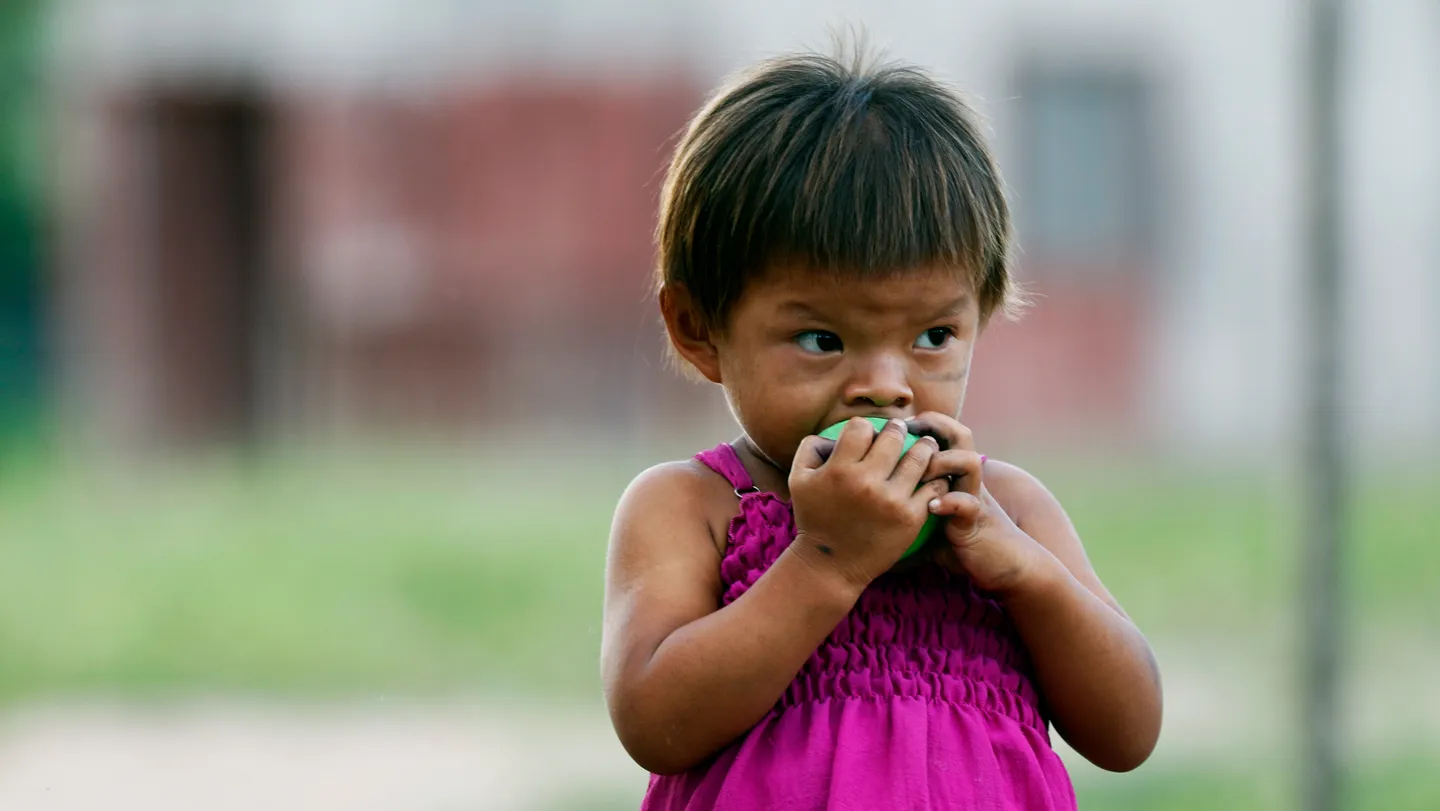
An analysis of data from about 6.5 million young children in Brazil shows that the higher the temperature, the higher the chances of child malnutrition. Each 1 degree Celsius rise in local temperatures above 26° C (about 79° Fahrenheit) correlates with a 10 percent greater chance of being underweight and an 8 percent increase in the odds of acute and chronic malnutrition, researchers report in the February Lancet Planetary Health. The condition can lead to lifelong health problems and even death.

Sign up for our newsletter

We summarize the week’s scientific breakthroughs every Thursday.

“Since the 1980s, Brazil has strived to reduce child malnutrition. Now, the country is being affected by climate change, and this could help reverse the progress we’ve made,” says nutrition researcher Priscila Ribas of the Oswaldo Cruz Foundation’s Center for Data and Knowledge Integration for Health in Salvador, Brazil.

Ribas and colleagues looked at data from 2007 to 2018 on children between 1 and 5 years old who underwent routine height and weight measurements required to receive support from social programs. “We looked at a wider group which is already underprivileged, since they rely on federal aid. Still, the most vulnerable within this group were the most affected,” she says.

Indigenous children and those from Brazil’s North and Northeast regions (the country’s poorest) were the hardest hit, as were those in rural and poor urban areas. For example, 1 in 4 Indigenous children were stunted, meaning they were unusually short for their age — a rate more than twice that of other races and ethnicities.

Over the 10-year study period, the team linked children’s measurements to birth records for demographic details and to daily temperature data from all over Brazil. For each child, the researchers then computed the average local temperature in the 12 months prior to the last recorded measurement.

“This is a really robust study with solid methodology,” says Aline de Carvalho, a nutrition researcher at the University of São Paulo in Brazil. She’s working with another team on similar research. Their findings are similar, but, as with the new study, they have yet to look into what causes or worsens malnutrition under severe weather conditions.

“There are a few hypotheses,” De Carvalho says. “But we saw that climate change can have a link to malnutrition via food systems: Severe weather affects crops, which causes food prices to rise, and more vulnerable groups will be directly affected.” This cycle affects mostly local produce — fruits and vegetables — rather than rice and beans, dietary staples that usually travel long distances within the country.

De Carvalho is glad the connection between climate and health is getting more attention, as having these kinds of data can help policy makers plan. “Knowing when the next heat wave will happen, authorities can make campaigns to alert vulnerable populations to heat exposure. In the long run, they could give more support and credit to increase the resilience of local producers,” she says.

Now, Ribas and her team are working to get even more detailed information from the databases they’re looking at. “We want to understand whether extreme heat or cold affects breastfeeding, and also whether high temperatures play a role in hospital admissions among children with diarrhea, malnutrition and dehydration.”


Share. Facebook Twitter Pinterest LinkedIn Tumblr Email
Previous ArticleMore than 200 rescued from IS-linked group in DR Congo
Next Article US Army turns to Ukraine-tested drones to counter Iranian UAV threat
primereports
  • Website

Related Posts

Science

After 200 years scientists finally crack the “dolomite problem”

April 20, 2026
Science

Watch SpaceX launch advanced GPS satellite for US Space Force early on April 20

April 19, 2026
Science

Canadian astronaut’s bon mots help heal wounds from French language row | Canada

April 19, 2026
Add A Comment
Leave A Reply Cancel Reply

Top Posts

Global Resources Outlook 2024 | UNEP

December 6, 20258 Views

The D Brief: DHS shutdown likely; US troops leave al-Tanf; CNO’s plea to industry; Crowded robot-boat market; And a bit more.

February 14, 20264 Views

German Chancellor Merz faces difficult mission to Israel – DW – 12/06/2025

December 6, 20254 Views
Stay In Touch
  • Facebook
  • YouTube
  • TikTok
  • WhatsApp
  • Twitter
  • Instagram
Latest Reviews

Subscribe to Updates

Get the latest tech news from FooBar about tech, design and biz.

PrimeReports.org
Independent global news, analysis & insights.

PrimeReports.org brings you in-depth coverage of geopolitics, markets, technology and risk – with context that helps you understand what really matters.

Editorially independent · Opinions are those of the authors and not investment advice.
Facebook X (Twitter) LinkedIn YouTube
Key Sections
  • World
  • Geopolitics
  • Popular Now
  • Artificial Intelligence
  • Cybersecurity
  • Crypto
All Categories
  • Artificial Intelligence
  • Climate Risks
  • Crypto
  • Cybersecurity
  • Defense
  • Economy
  • Geopolitics
  • Global Markets
  • Healthcare Innovation
  • Politics
  • Popular Now
  • Science
  • Technology
  • World
  • About Us
  • Contact Us
  • Privacy Policy
  • Terms & Conditions
  • Disclaimer
  • Cookie Policy
  • DMCA / Copyright Notice
  • Editorial Policy

Sign up for Prime Reports Briefing – essential stories and analysis in your inbox.

By subscribing you agree to our Privacy Policy. You can opt out anytime.
Latest Stories
  • CEO of Minnesota-based company shares her experience applying for a tariff refund : NPR
  • ‘They have been exposed’: The Iran war upends Gulf states’ security and business model
  • Washington-backed rare earth group to buy Brazilian miner for $2.8bn
© 2026 PrimeReports.org. All rights reserved.
Privacy Terms Contact

Type above and press Enter to search. Press Esc to cancel.