
LIVE NEWS
  • Iran War Live Updates: Israel Strikes Southern Lebanon After Pulling Back From Threat to Beirut
  • US Court Lifts Circle Freeze on Zama’s $12.5M cUSDC Contract After Three-Day Lockout
  • Microsoft Exchange Online outage causes email delays, failures
  • Trump Privately Signs Scaled-Back AI Executive Order
  • US university sells dead bodies to navy for Israeli military training | Education News
  • How public-sector pension schemes are funded | Pensions
  • AUKUS Pillar Two lunges for an operational capability – underwater
  • Weight-loss drugs can cut breast cancer risk by up to 30%, studies suggest | Cancer research
Prime Reports
  • Home
  • Popular Now
  • Crypto
  • Cybersecurity
  • Economy
  • Geopolitics
  • Global Markets
  • Politics
  • See More
    • Artificial Intelligence
    • Climate Risks
    • Defense
    • Healthcare Innovation
    • Science
    • Technology
    • World
Prime Reports
  • Home
  • Popular Now
  • Crypto
  • Cybersecurity
  • Economy
  • Geopolitics
  • Global Markets
  • Politics
  • Artificial Intelligence
  • Climate Risks
  • Defense
  • Healthcare Innovation
  • Science
  • Technology
  • World
Home»Healthcare Innovation»This hidden kind of stress may be damaging your memory as you age
Healthcare Innovation

This hidden kind of stress may be damaging your memory as you age

primereportsBy primereportsApril 28, 2026No Comments3 Mins Read
Share Facebook Twitter Pinterest LinkedIn Tumblr Reddit Telegram Email
This hidden kind of stress may be damaging your memory as you age
Share
Facebook Twitter LinkedIn Pinterest Email


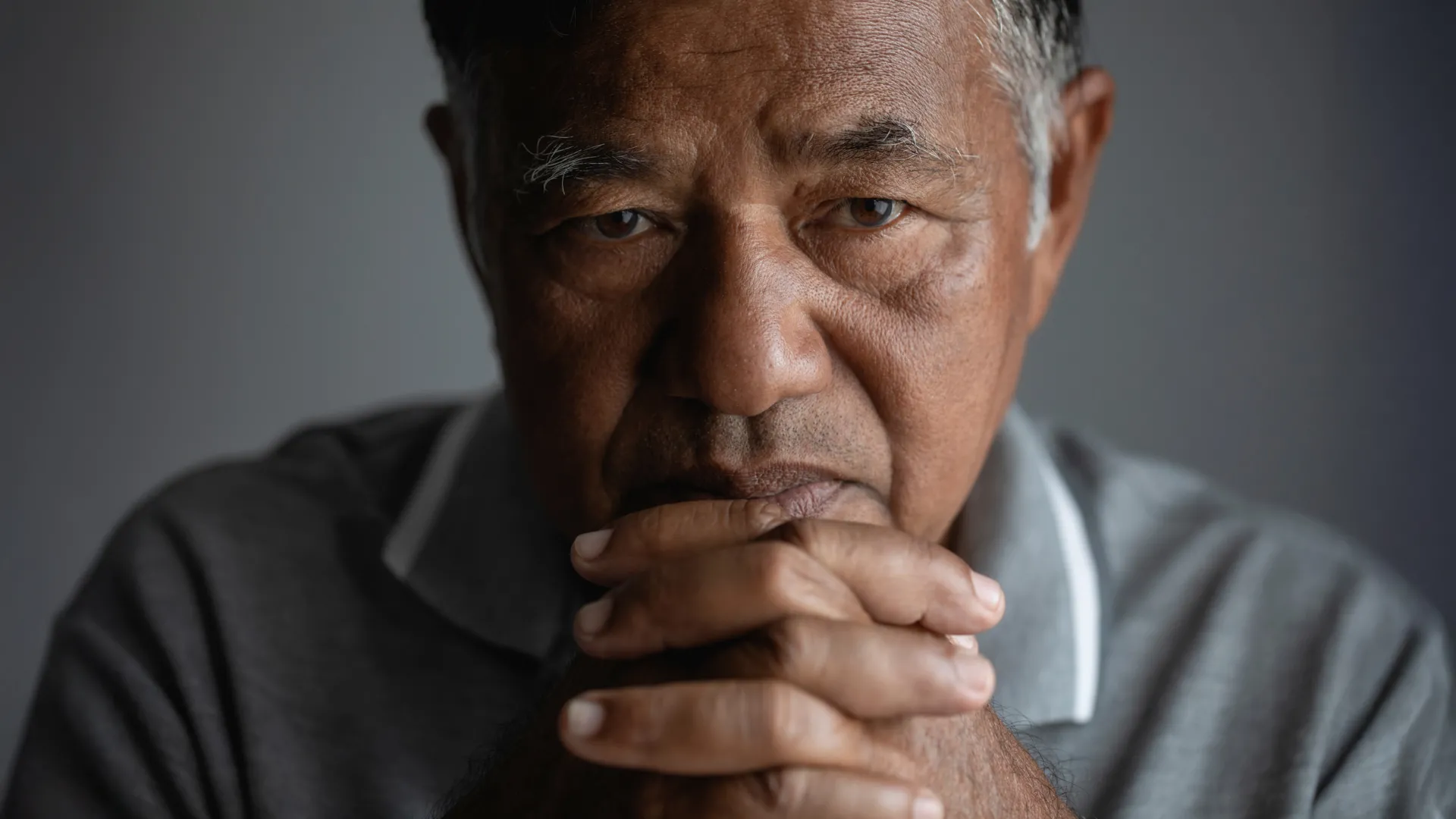
Stress that people turn inward may be quietly increasing the risk of memory loss in older Chinese Americans, according to new research from Rutgers Health.

The study, published in The Journal of Prevention of Alzheimer’s Disease, was conducted by researchers at the Rutgers Institute for Health, Health Care Policy and Aging Research. It explored a range of factors that could either raise or reduce the risk of cognitive decline in Chinese adults over age 60.

This group was selected in part because older Chinese Americans have often been overlooked in research on brain aging, leaving important gaps in understanding how memory loss develops in this population.

“With the number of older Asian Americans growing significantly, it’s vital to better understand the risk factors of memory decline in this understudied population,” said Michelle Chen, a core member of the Center for Healthy Aging Research at Rutgers and the study’s lead author.

Cultural Pressures and Hidden Emotional Strain

The researchers noted that cultural expectations may play a role in shaping mental health outcomes. The model minority stereotype — which portrays Asian Americans as consistently successful, educated and healthy — can create added pressure while also masking emotional struggles.

At the same time, many older immigrants face challenges such as language barriers and cultural differences, which can contribute to ongoing stress. While these issues are not unique to Asian Americans, the researchers say they may be particularly relevant in this context.

“Stress and hopelessness may go unnoticed in aging populations, yet they play a critical role in how the brain ages,” said Chen, who is also an assistant professor of neurology at Rutgers Robert Wood Johnson Medical School. “Because these feelings are modifiable, our goal is for this research to inform culturally sensitive stress-reduction interventions to mitigate these feelings in older adults.”

Large Study Tracks Memory Changes Over Time

To better understand these effects, the team analyzed data from the Population Study of ChINese Elderly (PINE), the largest community-based cohort study focused on older Chinese Americans. The dataset included interviews conducted from 2011 to 2017 with more than 1,500 participants living in the Chicago area.

The researchers examined three key sociobehavioral factors: stress internalization, neighborhood or community cohesion and external stress alleviation.

Key Finding Points to Internalized Stress

Among these factors, internalized stress stood out. This form of stress includes feelings of hopelessness and a tendency to absorb stressful experiences rather than express or resolve them. It was strongly linked to worsening memory across three waves of the PINE study.

In contrast, the other factors did not show a significant connection to changes in memory over time.

Implications for Prevention and Support

Because internalized stress can potentially be addressed, the findings suggest an opportunity to develop targeted strategies that support emotional well-being and cognitive health in older adults. The researchers emphasize the importance of culturally sensitive approaches that take into account the unique experiences of aging immigrant populations.

The study was supported by the Rutgers-NYU Resource Center for Alzheimer’s and Dementia Research in Asian and Pacific Americans, co-led by William Hu of Rutgers Institute for Health and Rutgers Robert Wood Johnson Medical School. Coauthors include Yiming Ma, Charu Verma, Stephanie Bergren and William Hu of Rutgers Institute for Health.

Share. Facebook Twitter Pinterest LinkedIn Tumblr Email
Previous ArticleThe M5 MacBook Air Has Never Been Cheaper
Next Article Gunmen kill at least 29 in Nigeria’s northeast Adamawa State | ISIL/ISIS News
primereports
  • Website

Related Posts

Healthcare Innovation

This common amino acid helped mice survive deadly inflammation

June 2, 2026
Healthcare Innovation

Clinical Workflow Automation: Where AI Is Making Real Inroads

June 2, 2026
Healthcare Innovation

Medicaid work requirement rules published by Trump’s CMS

June 2, 2026
Add A Comment
Leave A Reply Cancel Reply

Top Posts

Paxton’s win over Cornyn sets up high-stakes Texas clash with Talarico

May 28, 202616 Views

Global Resources Outlook 2024 | UNEP

December 6, 202510 Views

Texas Democrat Talarico claims voting laws are rigged ahead of Paxton race

May 28, 20269 Views
Stay In Touch
  • Facebook
  • YouTube
  • TikTok
  • WhatsApp
  • Twitter
  • Instagram
Latest Reviews

Subscribe to Updates

Get the latest tech news from FooBar about tech, design and biz.

PrimeReports.org
Independent global news, analysis & insights.

PrimeReports.org brings you in-depth coverage of geopolitics, markets, technology and risk – with context that helps you understand what really matters.

Editorially independent · Opinions are those of the authors and not investment advice.
Facebook X (Twitter) LinkedIn YouTube
Key Sections
  • World
  • Geopolitics
  • Popular Now
  • Artificial Intelligence
  • Cybersecurity
  • Crypto
All Categories
  • Artificial Intelligence
  • Climate Risks
  • Crypto
  • Cybersecurity
  • Defense
  • Economy
  • Geopolitics
  • Global Markets
  • Healthcare Innovation
  • Politics
  • Popular Now
  • Science
  • Technology
  • World
  • About Us
  • Contact Us
  • Privacy Policy
  • Terms & Conditions
  • Disclaimer
  • Cookie Policy
  • DMCA / Copyright Notice
  • Editorial Policy

Sign up for Prime Reports Briefing – essential stories and analysis in your inbox.

By subscribing you agree to our Privacy Policy. You can opt out anytime.
Latest Stories
  • Iran War Live Updates: Israel Strikes Southern Lebanon After Pulling Back From Threat to Beirut
  • US Court Lifts Circle Freeze on Zama’s $12.5M cUSDC Contract After Three-Day Lockout
  • Microsoft Exchange Online outage causes email delays, failures
© 2026 PrimeReports.org. All rights reserved.
Privacy Terms Contact

Type above and press Enter to search. Press Esc to cancel.