
LIVE NEWS
  • Tom Hanks-led World War II docuseries set to debut over Memorial Day
  • How do hurricanes and typhoons form and is climate change making them stronger?
  • How Did the Former Prince Andrew Get an Envoy Job, Anyway?
  • Pump.fun Launches USDC-Paired Liquidity Pools for Token Launches
  • Infosecurity Europe
  • Bitcoin slips below $77,000 on Gate as BTC cools By Crypto.news
  • Charges dismissed against official at school where six-year-old shot teacher
  • Stocks Finish Sharply Higher on Iran Hopes
Prime Reports
  • Home
  • Popular Now
  • Crypto
  • Cybersecurity
  • Economy
  • Geopolitics
  • Global Markets
  • Politics
  • See More
    • Artificial Intelligence
    • Climate Risks
    • Defense
    • Healthcare Innovation
    • Science
    • Technology
    • World
Prime Reports
  • Home
  • Popular Now
  • Crypto
  • Cybersecurity
  • Economy
  • Geopolitics
  • Global Markets
  • Politics
  • Artificial Intelligence
  • Climate Risks
  • Defense
  • Healthcare Innovation
  • Science
  • Technology
  • World
Home»World»Malaria didn’t just kill early humans, it shaped who we became
World

Malaria didn’t just kill early humans, it shaped who we became

primereportsBy primereportsMay 4, 2026No Comments3 Mins Read
Share Facebook Twitter Pinterest LinkedIn Tumblr Reddit Telegram Email
Malaria didn’t just kill early humans, it shaped who we became
Share
Facebook Twitter LinkedIn Pinterest Email


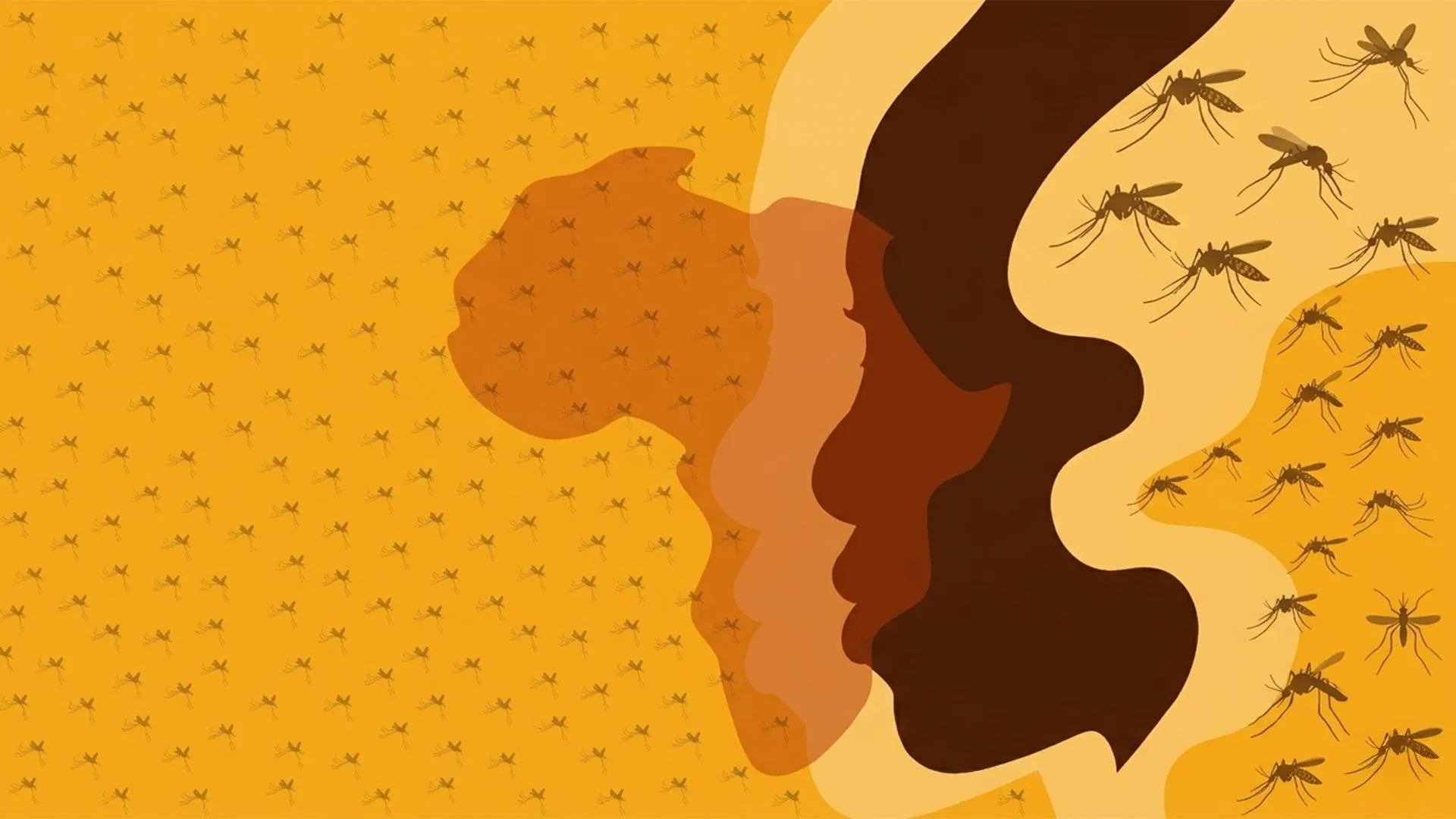
A growing body of research suggests that modern humans did not originate from a single location, but instead emerged through interactions among groups spread across different regions of Africa. Traditionally, scientists have explained where these populations lived based mainly on climate. New findings now point to another powerful influence: disease, particularly malaria.

In a study published in Science Advances, researchers from the Max Planck Institute of Geoanthropology, the University of Cambridge, and collaborating institutions explored whether malaria caused by Plasmodium falciparum affected where humans chose to live between 74,000 and 5,000 years ago. This period was crucial, as it came before humans spread widely beyond Africa and before agriculture significantly changed how malaria was transmitted.

Disease Shaped Where Humans Could Live

The results indicate that malaria, one of the oldest and most persistent infectious diseases affecting humans, played a major role in shaping settlement patterns. Regions with high transmission risk appear to have pushed human populations away, effectively separating groups across the landscape. Over tens of thousands of years, this separation influenced how populations encountered one another, interbred, and exchanged genetic material, contributing to the patterns of human diversity seen today. These findings highlight that disease was not just an obstacle for early humans but a key force shaping the course of human evolution.

Modeling Ancient Malaria Risk

“We used species distribution models of three major mosquito complexes together with paleoclimate models,” explains lead author Dr. Margherita Colucci of the Max Planck Institute of Geoanthropology and the University of Cambridge. “Combining these with epidemiological data allowed us to estimate malaria transmission risk across sub-Saharan Africa.”

The team then compared these malaria risk estimates with a separate reconstruction of the environments early humans were able to inhabit across the same region and time frame. Their analysis revealed that humans consistently avoided, or could not remain in, areas where malaria transmission was especially high.

Long-Term Effects on Human Populations

“The effects of these choices shaped human demography for the last 74,000 years, and likely much earlier,” says Professor Andrea Manica of the University of Cambridge, one of the senior authors of the study. “By fragmenting human societies across the landscape, malaria contributed to the population structure we see today. Climate and physical barriers were not the only forces shaping where human populations could live.”

Rethinking the Role of Disease in Human History

“This study opens up new frontiers in research on human evolution,” adds Professor Eleanor Scerri of the Max Planck Institute of Geoanthropology, also senior author of the study. “Disease has rarely been considered a major factor shaping the earliest prehistory of our species, and without ancient DNA from these periods it has been difficult to test. Our research changes that narrative and provides a new framework for exploring the role of disease in deep human history.”

Share. Facebook Twitter Pinterest LinkedIn Tumblr Email
Previous ArticleState redistricting battles intensify following U.S. Supreme Court ruling on Voting Rights Act
Next Article Agentic AI Governance Is Now a Product. Are Enterprises Ready?
primereports
  • Website

Related Posts

World

How Did the Former Prince Andrew Get an Envoy Job, Anyway?

May 21, 2026
World

Canada is using its borders to police Palestine solidarity | Israel-Palestine conflict

May 21, 2026
World

Duke University Plans a Data Center It Says Will Boost ‘Environmental Responsibility and Sustainability’

May 21, 2026
Add A Comment
Leave A Reply Cancel Reply

Top Posts

Global Resources Outlook 2024 | UNEP

December 6, 20258 Views

The D Brief: DHS shutdown likely; US troops leave al-Tanf; CNO’s plea to industry; Crowded robot-boat market; And a bit more.

February 14, 20265 Views

German Chancellor Merz faces difficult mission to Israel – DW – 12/06/2025

December 6, 20254 Views
Stay In Touch
  • Facebook
  • YouTube
  • TikTok
  • WhatsApp
  • Twitter
  • Instagram
Latest Reviews

Subscribe to Updates

Get the latest tech news from FooBar about tech, design and biz.

PrimeReports.org
Independent global news, analysis & insights.

PrimeReports.org brings you in-depth coverage of geopolitics, markets, technology and risk – with context that helps you understand what really matters.

Editorially independent · Opinions are those of the authors and not investment advice.
Facebook X (Twitter) LinkedIn YouTube
Key Sections
  • World
  • Geopolitics
  • Popular Now
  • Artificial Intelligence
  • Cybersecurity
  • Crypto
All Categories
  • Artificial Intelligence
  • Climate Risks
  • Crypto
  • Cybersecurity
  • Defense
  • Economy
  • Geopolitics
  • Global Markets
  • Healthcare Innovation
  • Politics
  • Popular Now
  • Science
  • Technology
  • World
  • About Us
  • Contact Us
  • Privacy Policy
  • Terms & Conditions
  • Disclaimer
  • Cookie Policy
  • DMCA / Copyright Notice
  • Editorial Policy

Sign up for Prime Reports Briefing – essential stories and analysis in your inbox.

By subscribing you agree to our Privacy Policy. You can opt out anytime.
Latest Stories
  • Tom Hanks-led World War II docuseries set to debut over Memorial Day
  • How do hurricanes and typhoons form and is climate change making them stronger?
  • How Did the Former Prince Andrew Get an Envoy Job, Anyway?
© 2026 PrimeReports.org. All rights reserved.
Privacy Terms Contact

Type above and press Enter to search. Press Esc to cancel.