
LIVE NEWS
  • ‘Have to be very careful’: Special ops head calls for combat AI ‘reality check’
  • Women’s body temperature rises from age 18 to 42 but we don’t know why
  • Canada is using its borders to police Palestine solidarity | Israel-Palestine conflict
  • Millionaire Businessman Reveals Where The Real Crypto Value Is, And It’s Not Bitcoin
  • Microsoft Warns of Two Actively Exploited Defender Vulnerabilities
  • Spencer Pratt uses AI slop and edgy humor in LA mayor’s race : NPR
  • Outrage over Israel’s Ben-Gvir flotilla abuse video: What we know | Israel-Palestine conflict News
  • Walmart sticks to annual targets as fuel shock dents American spending
Prime Reports
  • Home
  • Popular Now
  • Crypto
  • Cybersecurity
  • Economy
  • Geopolitics
  • Global Markets
  • Politics
  • See More
    • Artificial Intelligence
    • Climate Risks
    • Defense
    • Healthcare Innovation
    • Science
    • Technology
    • World
Prime Reports
  • Home
  • Popular Now
  • Crypto
  • Cybersecurity
  • Economy
  • Geopolitics
  • Global Markets
  • Politics
  • Artificial Intelligence
  • Climate Risks
  • Defense
  • Healthcare Innovation
  • Science
  • Technology
  • World
Home»Science»Evolution isn’t random. Scientists find the same genes used for 120 million years
Science

Evolution isn’t random. Scientists find the same genes used for 120 million years

primereportsBy primereportsMay 4, 2026No Comments3 Mins Read
Share Facebook Twitter Pinterest LinkedIn Tumblr Reddit Telegram Email
Evolution isn’t random. Scientists find the same genes used for 120 million years
Share
Facebook Twitter LinkedIn Pinterest Email


Scientists have uncovered evidence that evolution has relied on the same genetic “cheat sheet” for more than 120 million years, raising the possibility that life on Earth may be more predictable than once believed.

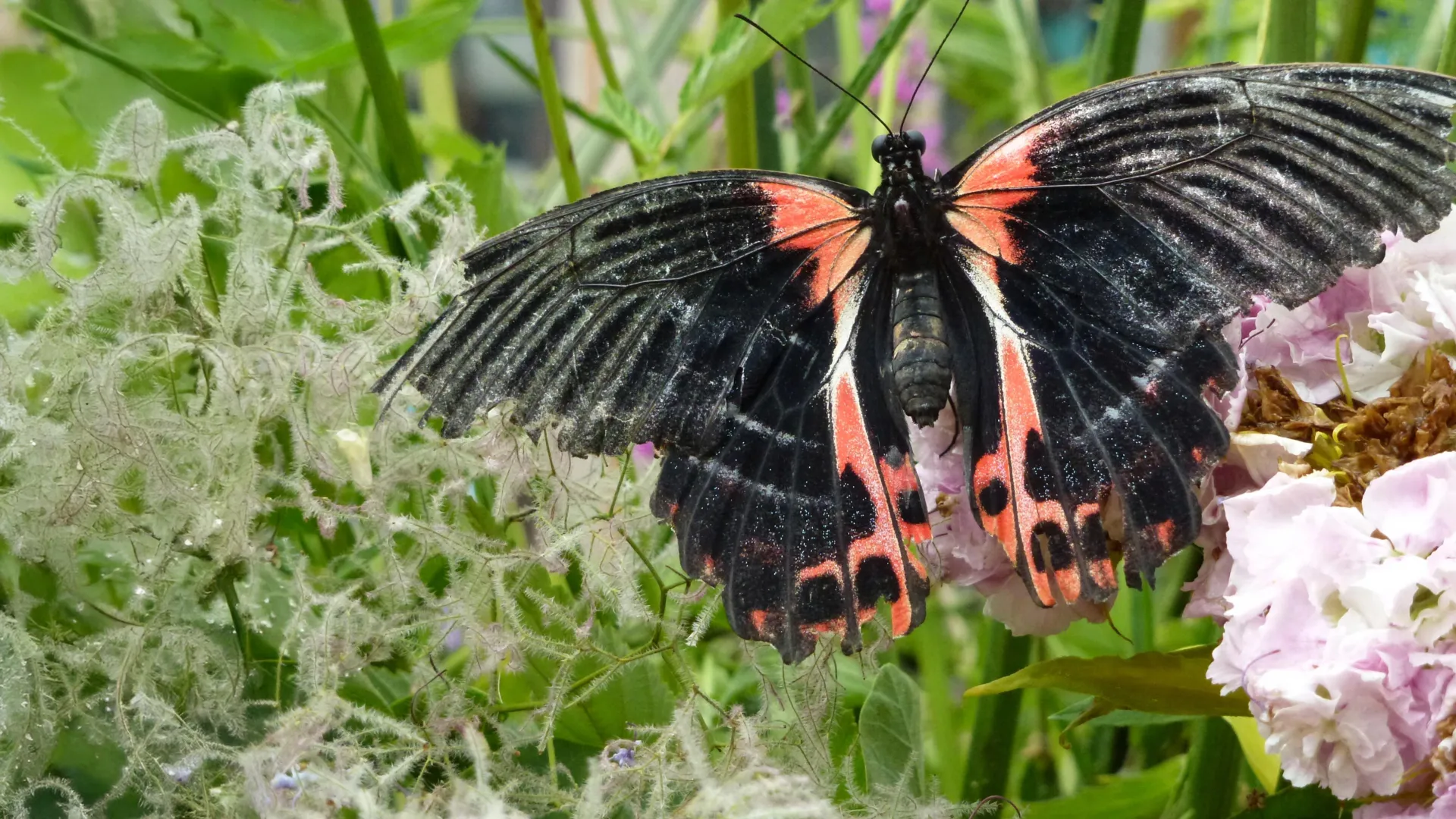
An international group of researchers led by the University of York and the Wellcome Sanger Institute focused on butterflies and moths from South American rainforests. Although these species are only distantly related, many share strikingly similar wing color patterns that serve as warning signals to predators. This phenomenon is known as mimicry.

Shared Genes Behind Butterfly and Moth Mimicry

The researchers set out to identify which genes control these shared color patterns across seven distantly related species. Despite their evolutionary distance, the team discovered that both butterflies and moths repeatedly relied on the same two genes, ivory and optix, to produce nearly identical warning colors.

Instead of altering the genes themselves, evolution acted on regulatory elements, often described as genetic “switches,” that control when and where these genes are activated. In butterflies, these switches were modified in similar ways across species. In the moth, scientists found a surprising twist. It used an inversion mechanism (a large chunk of DNA flipped backwards) that closely mirrors a strategy seen in one of the butterfly species.

Evidence That Evolution Can Be Predictable

Professor Kanchon Dasmahapatra from the University of York’s Department of Biology explained: “Convergent evolution, where many unrelated species independently evolve the same trait, is common across the tree of life. But we rarely have the opportunity to investigate the genetic basis of this phenomenon.

“Investigating seven butterfly lineages and a day-flying moth, we show that evolution can be surprisingly predictable, and that butterflies and moths have been using the exact same genetic tricks repeatedly to achieve similar color patterns since the age of the dinosaurs.”

The findings, published in the journal PLoS Biology, suggest that evolution is not always a random process. Instead, it can follow recurring genetic pathways.

Why Warning Colors Keep Reappearing

Professor Joana Meier from the Wellcome Sanger Institute added: “These distantly related butterflies and the moth are all toxic and distasteful to birds trying to eat them. They look very much alike because if birds have already learned that a specific color pattern means “do not eat, we are toxic,” it is beneficial for other species to display the same warning colors.

“Here, we show that these warning colors are particularly ideal as it seems quite easy to evolve these same color patterns due to the highly conserved genetic basis over 120 million years.”

What This Means for Predicting Evolution

Understanding that evolution often follows established genetic routes could help scientists anticipate how species may respond to changing environments or climate shifts. If nature tends to reuse the same biological solutions, predicting future adaptations may become more achievable than previously thought.

Share. Facebook Twitter Pinterest LinkedIn Tumblr Email
Previous ArticleAustria expels 3 Russian Embassy staff over suspected antenna spying in Vienna
Next Article Trump says US operation will aid ships stranded in Strait of Hormuz
primereports
  • Website

Related Posts

Science

Women’s body temperature rises from age 18 to 42 but we don’t know why

May 21, 2026
Science

Scurvy-plagued whalers’ remains discovered at ‘Corpse Point’ on Arctic island

May 20, 2026
Science

How to scout a safe summer swimming hole

May 20, 2026
Add A Comment
Leave A Reply Cancel Reply

Top Posts

Global Resources Outlook 2024 | UNEP

December 6, 20258 Views

The D Brief: DHS shutdown likely; US troops leave al-Tanf; CNO’s plea to industry; Crowded robot-boat market; And a bit more.

February 14, 20265 Views

German Chancellor Merz faces difficult mission to Israel – DW – 12/06/2025

December 6, 20254 Views
Stay In Touch
  • Facebook
  • YouTube
  • TikTok
  • WhatsApp
  • Twitter
  • Instagram
Latest Reviews

Subscribe to Updates

Get the latest tech news from FooBar about tech, design and biz.

PrimeReports.org
Independent global news, analysis & insights.

PrimeReports.org brings you in-depth coverage of geopolitics, markets, technology and risk – with context that helps you understand what really matters.

Editorially independent · Opinions are those of the authors and not investment advice.
Facebook X (Twitter) LinkedIn YouTube
Key Sections
  • World
  • Geopolitics
  • Popular Now
  • Artificial Intelligence
  • Cybersecurity
  • Crypto
All Categories
  • Artificial Intelligence
  • Climate Risks
  • Crypto
  • Cybersecurity
  • Defense
  • Economy
  • Geopolitics
  • Global Markets
  • Healthcare Innovation
  • Politics
  • Popular Now
  • Science
  • Technology
  • World
  • About Us
  • Contact Us
  • Privacy Policy
  • Terms & Conditions
  • Disclaimer
  • Cookie Policy
  • DMCA / Copyright Notice
  • Editorial Policy

Sign up for Prime Reports Briefing – essential stories and analysis in your inbox.

By subscribing you agree to our Privacy Policy. You can opt out anytime.
Latest Stories
  • ‘Have to be very careful’: Special ops head calls for combat AI ‘reality check’
  • Women’s body temperature rises from age 18 to 42 but we don’t know why
  • Canada is using its borders to police Palestine solidarity | Israel-Palestine conflict
© 2026 PrimeReports.org. All rights reserved.
Privacy Terms Contact

Type above and press Enter to search. Press Esc to cancel.