

A sewer line collapse in Maryland earlier this year spilled more than 360 Olympic-sized swimming pools’ worth of wastewater into the Potomac river just upstream of Washington, D.C. The incident may be the largest sewage spill in U.S. history,and it’s a quintessential example of fecal pollution, the most common source of sickness from natural waterways. Anytime we swim in a lake, river or ocean, we risk encountering waterborne pathogens.
Most often these bugs infect the digestive tract, causing symptoms like diarrhea and nausea, but they can also affect the eyes, ears, skin and more. With summer swimming season here in the United States, reports of public water quality can help you gauge the risk of getting sick.
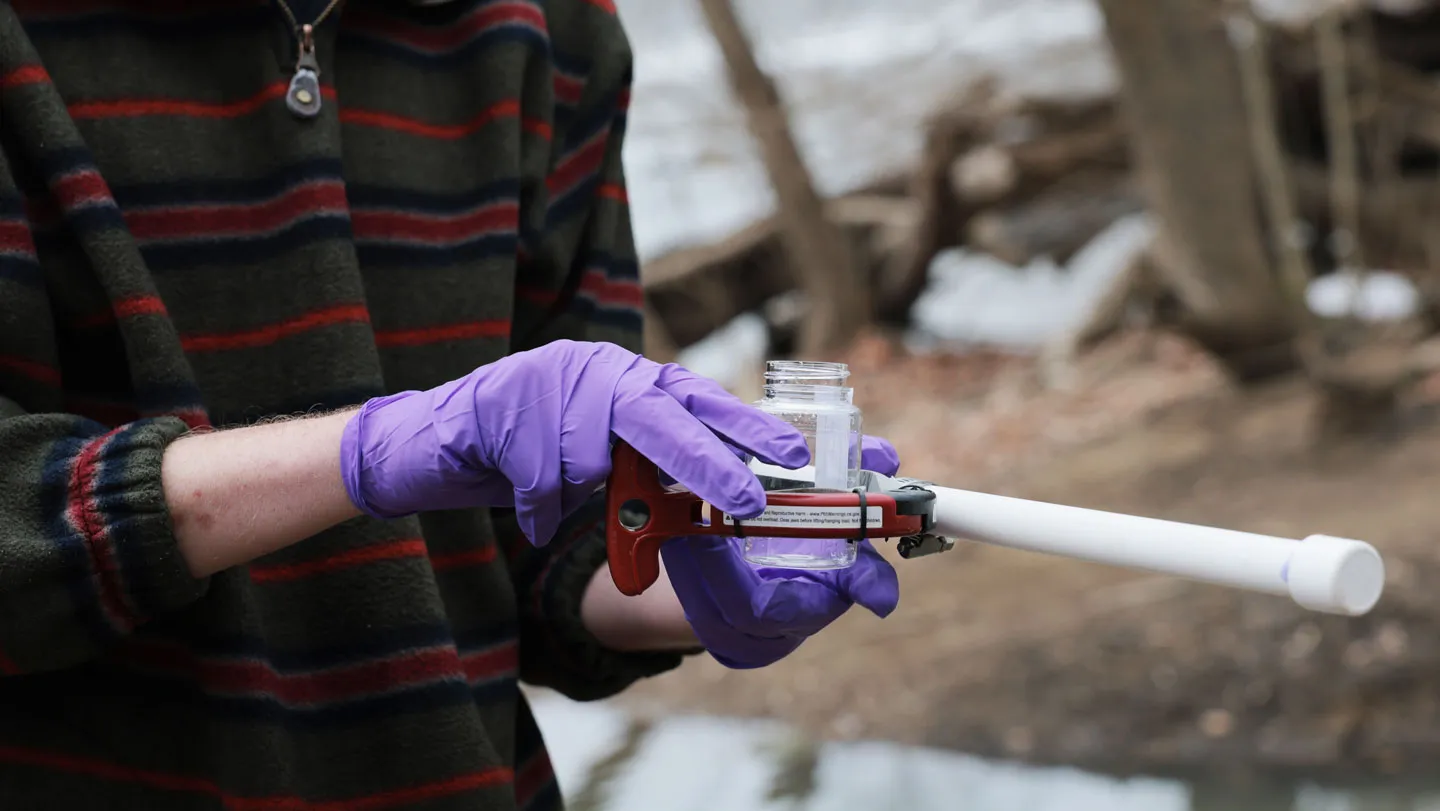
In the United States, scientists typically collect water samples, culture them in the lab and then count how many of certain types of bacteria grow. They focus on one or two types of bacteria associated with fecal contamination, called indicator pathogens, because it would be too costly to test directly for all harmful microbes. The most common indicator pathogens are Escherichia coli for freshwater and Enterococcus for saltwater.
Unfortunately, “this indicator system … has a whole host of problems associated with it,” says environmental microbiologist Kelly Reynolds, of the University of Arizona in Tucson. E. coli can die off in the water before other harmful microbes from the same source, Reynolds says, so finding low levels of E. coli doesn’t necessarily mean water is safe. E. coli and enterococci also show up in the feces of many warm-blooded animals, but conventional culture tests can’t determine whether their source is human waste, which carries more diseases that can harm us.
Those limitations were highlighted in a 2024 study, which demonstrated an alternative testing method that identifies fecal matter using DNA markers unique to human gut microbes. Sandra McLellan, an environmental health researcher at the University of Wisconsin–Milwaukee, and colleagues filtered bacterial DNA from hundreds of samples gathered at 18 harbors worldwide, detecting fecal pollution in 46 percent of the samples. Meanwhile, only 18 percent exceeded indicator pathogen standards on conventional tests.
But that doesn’t mean culture tests aren’t useful. While they might miss short-lived periods of contamination, especially if samples aren’t taken multiple times a week, these tests can help identify when there’s persistent pollution.
Water quality checks and advisories are typically findable on government websites. States issue advisories when numbers of viable indicator pathogen cells counted in culture tests exceed their standard. Where McLellan lives in Wisconsin, for example, the state issues beach advisories when test counts of E. coli exceed 235 colony forming units per 100 milliliters of water. At that concentration, the EPA estimates that 36 out of 1,000 swimmers in an area will get sick. The Potomac River peaked at an E. coli concentration nearly 12,000 times the safe recreational standard after the spill, according to independent testing by the Potomac Riverkeeper Network. The EPA announced on May 6 that the river’s recovery goals had been met.
Wherever you dip, there are some guidelines you can follow to minimize the risk of infection. McLellan recommends avoiding entering the water for at least 24 hours after light rainfall, and 48 hours after a downpour of more than three centimeters. Runoff can flow past leaking pipes or faulty sanitary system plumbing and carry infectious microbes into public waterways.
Cloudy water and algae can also indicate potential pollution, McLellan says. And if you’re unsure about the water quality, avoid sub- merging your head. One common way people pick up waterborne diseases is by swallowing water, and that’s hard to prevent if your face goes under, Reynolds says. “I always worry that I’m discouraging people from enjoying the water,” McLellan says, but you can cover your bases. “I think that takes away 95 percent of the concern.”
