

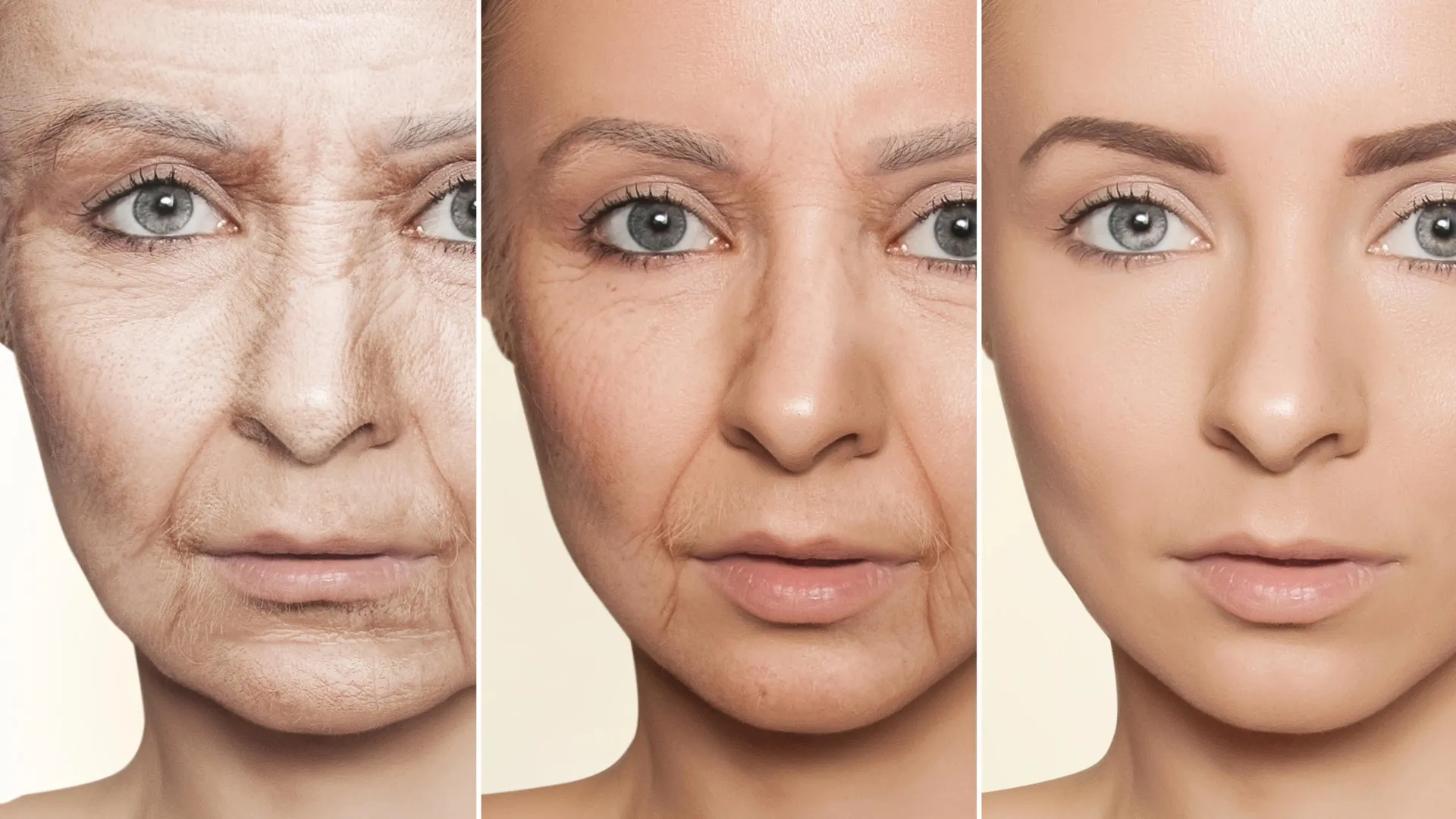
Scientists may have uncovered a hidden biological switch that helps control how quickly the body ages. Research published in PLOS Biology suggests that declining levels of a brain protein called Menin can trigger inflammation, memory decline, and other age-related changes throughout the body. In experiments with mice, restoring the protein reversed several signs of aging, while a simple amino acid supplement improved cognitive function.
The findings add to growing evidence that aging may be strongly influenced by the hypothalamus, a small but powerful brain region that regulates metabolism, hormones, body temperature, sleep, and stress responses. Researchers increasingly view the hypothalamus as a central command center for aging itself.
A Brain Protein That Declines With Age
The study, led by Lige Leng and colleagues at Xiamen University in China, focused on Menin, a protein that helps suppress inflammation in the brain. Earlier work had already shown that Menin plays an important role in controlling neuroinflammatory activity. The team wanted to know whether losing this protective protein might contribute to aging.
Their experiments revealed that Menin levels dropped sharply in the hypothalamus as mice grew older. The decline occurred specifically in neurons within the ventromedial hypothalamus (VMH), a region linked to metabolism and systemic aging. Interestingly, Menin levels did not significantly decrease in nearby support cells such as astrocytes or microglia.
To investigate what this loss might mean, the researchers engineered mice in which Menin activity could be selectively reduced. The effects were striking. Younger mice with lower Menin levels developed increased brain inflammation, thinning skin, lower bone mass, impaired balance, memory problems, and a shorter lifespan compared with normal mice.
The results suggest that Menin may act as a protective “anti-aging” factor inside the brain.
The D-Serine Connection
One of the most surprising discoveries involved D-serine, an amino acid that also functions as a neurotransmitter in the brain. D-serine helps regulate communication between neurons and is important for learning and memory.
When Menin levels fell, D-serine production also dropped. The researchers traced this effect to reduced activity of an enzyme required for D-serine synthesis, which itself appears to be regulated by Menin.
D-serine naturally occurs in foods including soybeans, eggs, fish, and nuts, and it is also sold as a dietary supplement.
The connection caught researchers’ attention because other studies have linked declining D-serine levels with aging-related cognitive impairment and reduced synaptic plasticity, the brain’s ability to strengthen neural connections involved in memory and learning.
Reversing Signs of Aging in Mice
The researchers then tested whether restoring Menin could reverse age-related decline.
They delivered the Menin gene directly into the hypothalamus of elderly mice that were about 20 months old, roughly equivalent to late-life aging in humans. Just 30 days later, the animals showed measurable improvements in learning, memory, balance, skin thickness, and bone density.
The improvements were accompanied by increased D-serine levels in the hippocampus, a brain region essential for memory formation.
The team also tested whether D-serine supplementation alone could help. After three weeks of supplementation, older mice displayed better cognitive performance, although the treatment did not reverse the physical aging markers seen in skin and bone tissue.
That distinction suggests Menin likely affects aging through several interconnected biological pathways, not just D-serine production alone.
Why the Hypothalamus Is Becoming a Major Focus in Aging Research
Interest in the hypothalamus has grown rapidly in recent years as scientists uncover evidence that this brain region may coordinate many aspects of aging throughout the body.
More recent research has explored how age-related changes in hypothalamic DNA methylation and hormone signaling could contribute to neurodegenerative diseases such as Alzheimer’s. One 2024 study in Nature Communications found that the hypothalamus undergoes distinctive epigenetic changes with age and may influence pathways involving oxytocin and gonadotropin-releasing hormone (GnRH), both linked to aging and brain health.
Together, these findings strengthen the idea that aging is not simply the result of wear and tear across the body. Instead, some scientists suspect the brain may actively regulate parts of the aging process through inflammation, metabolism, and hormonal signaling.
Could D-Serine Help Humans?
Despite the excitement surrounding the findings, the research remains early and was conducted in mice, not humans. Scientists still do not know whether boosting Menin or supplementing with D-serine could safely slow aging or improve cognition in people.
Researchers also caution that altering powerful brain signaling pathways could have unintended consequences. More work is needed to understand why Menin declines with age, how long any benefits might last, and whether D-serine supplementation could produce side effects over time.
Still, the study offers an intriguing glimpse into how aging may one day be targeted more directly.
Leng said, “We speculate that the decline of Menin expression in the hypothalamus with age may be one of the driving factors of aging, and Menin may be the key protein connecting the genetic, inflammatory, and metabolic factors of aging. D-serine is a potentially promising therapeutic for cognitive decline.”
Leng also noted, “Ventromedial hypothalamus (VMH) Menin signaling diminished in aged mice, which contributes to systemic aging phenotypes and cognitive deficits. The effects of Menin on aging are mediated by neuroinflammatory changes and metabolic pathway signaling, accompanied by serine deficiency in VMH, while restoration of Menin in VMH reversed aging-related phenotypes.”
