
LIVE NEWS
  • Kosovo president moves to dissolve Parliament for early election as country plunges into new crisis
  • Western Union Partners with Crossmint to Launch USDPT Stablecoin on Solana
  • Middle East crisis live: US submarine sank Iranian warship, Hegseth says; Israel launches fresh strikes on Tehran | US-Israel war on Iran
  • Calls for Global Digital Estate Standard as Fraud Risk Grows
  • An ode to craftsmanship in software development
  • Global economy must stop pandering to ‘frivolous desires of ultra-rich’, says UN expert | Environment
  • Some Middle East Flights Resume but Confusion Reigns From Iran Strikes
  • Clinton Deposition Videos Released in Epstein Investigation
Prime Reports
  • Home
  • Popular Now
  • Crypto
  • Cybersecurity
  • Economy
  • Geopolitics
  • Global Markets
  • Politics
  • See More
    • Artificial Intelligence
    • Climate Risks
    • Defense
    • Healthcare Innovation
    • Science
    • Technology
    • World
Prime Reports
  • Home
  • Popular Now
  • Crypto
  • Cybersecurity
  • Economy
  • Geopolitics
  • Global Markets
  • Politics
  • Artificial Intelligence
  • Climate Risks
  • Defense
  • Healthcare Innovation
  • Science
  • Technology
  • World
Home»World»Climate change is accelerating but nature is slowing down
World

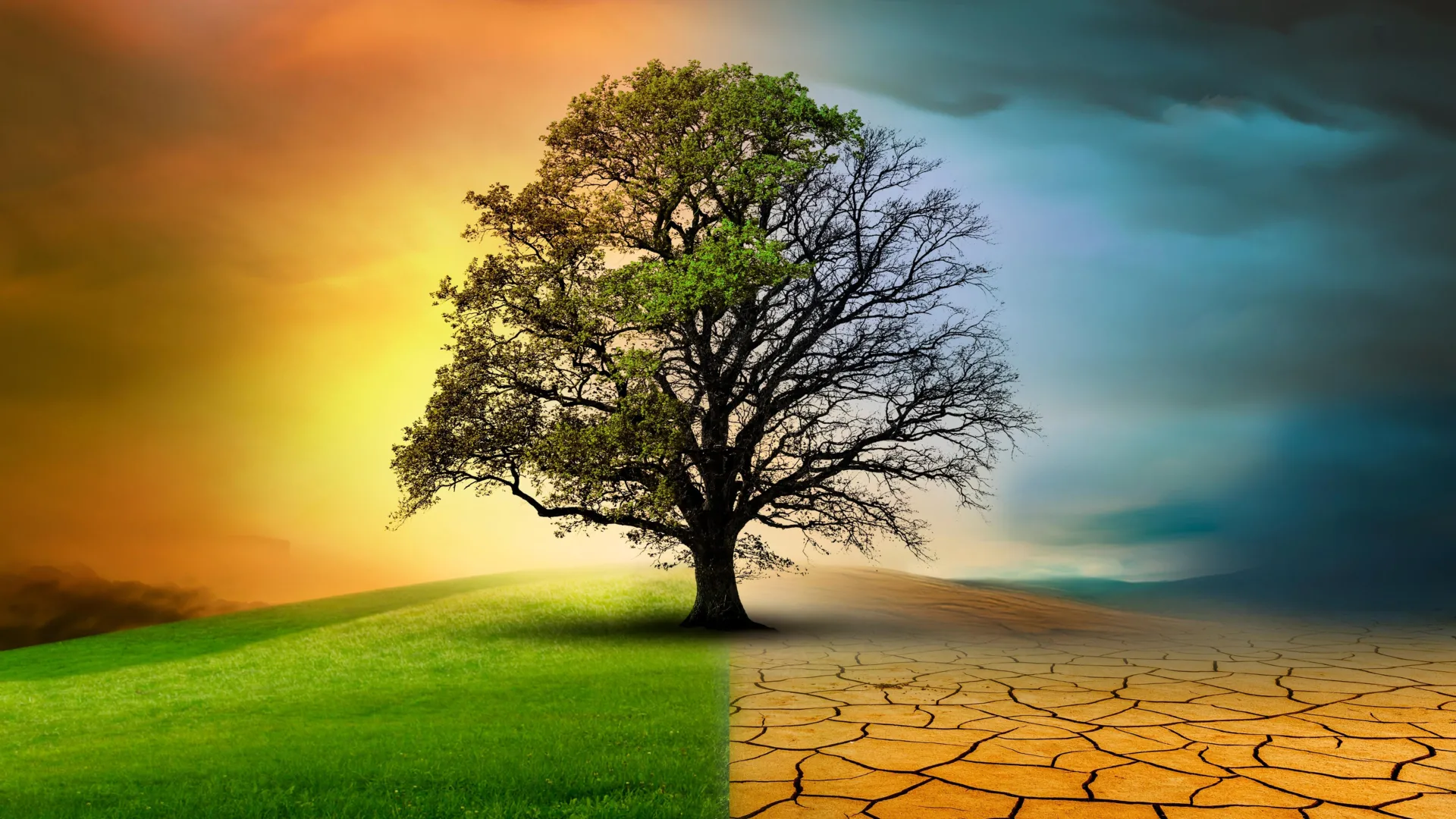
Climate change is accelerating but nature is slowing down

primereportsBy primereportsFebruary 22, 2026No Comments3 Mins Read
Share Facebook Twitter Pinterest LinkedIn Tumblr Reddit Telegram Email
Climate change is accelerating but nature is slowing down
Share
Facebook Twitter LinkedIn Pinterest Email


For years, many ecologists have argued that as global warming intensifies, nature should change more quickly. The logic seems straightforward. Rising temperatures and shifting climate zones would force species out of some areas while opening new habitats elsewhere, triggering faster local extinctions and rapid colonization. In theory, ecosystems should be reshuffling at an accelerating pace.

However, new research from Queen Mary University of London (QMUL), published in Nature Communications, challenges that assumption.

After examining a vast global database of biodiversity surveys covering marine, freshwater, and land ecosystems over the past century, the team found the opposite trend. The rate at which species are replaced in local habitats, known as “turnover,” has not increased. Instead, it has slowed significantly.

Dr. Emmanuel Nwankwo, the study’s lead author, described the shift this way: “Nature functions like a self-repairing engine, constantly swapping out old parts for new ones. But we found this engine is now grinding to a halt.”

Global Warming and Slower Species Turnover

The researchers concentrated on changes since the 1970s, when global surface temperatures began rising more rapidly and environmental changes became more pronounced. They compared species turnover rates, meaning how quickly one species replaces another, before and after this period of accelerated warming.

If climate change were the main driver, turnover should have increased. Instead, the analysis showed that over short periods of 1-5 years, turnover generally declined. This pattern appeared across a wide range of ecosystems, from bird communities on land to life on the ocean floor.

Professor Axel Rossberg, a co-author at Queen Mary University of London, said: “We were surprised how strong the effect is. Turnover rates typically declined by one third.”

The Role of Internal Ecosystem Dynamics

To understand this unexpected result, the team looked beyond external climate forces and examined how ecosystems organize themselves internally. Their findings suggest that ecological communities are not simply reacting to temperature changes. Rather, they often operate in what is called the “Multiple Attractors” phase, a concept predicted in 2017 by theoretical physicist Guy Bunin.

In this multiple attractors phase, species continually replace one another because of internal biological interactions, even when environmental conditions remain stable. The process can resemble a giant, ongoing game of rock-paper-scissors, where no single species dominates for long. The new research provides strong real-world evidence that this multiple attractors phase exists and plays a central role in shaping ecosystems.

Biodiversity Loss and Environmental Degradation

If these internal dynamics typically keep ecosystems in motion, why are turnover rates slowing?

The researchers argue that environmental degradation and shrinking regional species pools are likely responsible. In a healthy “Multiple Attractors phase” ecosystem, a broad regional pool of species supplies a steady stream of potential newcomers. This keeps the cycle of replacement active.

But as human activities damage habitats and reduce biodiversity across regions, the number of possible colonizers falls. With fewer species available to move in, the pace of turnover declines.

Dr. Nwankwo noted: “In other research we are seeing clear indications that human impacts cause the slowing of turnover. It is worrying.”

The findings suggest that stable-looking ecosystems are not necessarily healthy ones. A slowdown in local species change may actually signal that biodiversity is being depleted at a larger scale, weakening the natural processes that normally keep ecosystems dynamic and resilient.

Share. Facebook Twitter Pinterest LinkedIn Tumblr Email
Previous ArticleDefense Outlook: A CSIS Series on Strategy, Budget, Forces, and Acquisition
Next Article Twilio’s A2H is a new protocol that helps agents talk to humans
primereports
  • Website

Related Posts

World

Kosovo president moves to dissolve Parliament for early election as country plunges into new crisis

March 6, 2026
World

Global economy must stop pandering to ‘frivolous desires of ultra-rich’, says UN expert | Environment

March 4, 2026
World

Grasslands and Wetlands Are Being Gobbled Up By Agriculture, Mostly Livestock

February 25, 2026
Add A Comment
Leave A Reply Cancel Reply

Top Posts

Global Resources Outlook 2024 | UNEP

December 6, 20255 Views

The D Brief: DHS shutdown likely; US troops leave al-Tanf; CNO’s plea to industry; Crowded robot-boat market; And a bit more.

February 14, 20264 Views

German Chancellor Merz faces difficult mission to Israel – DW – 12/06/2025

December 6, 20254 Views
Stay In Touch
  • Facebook
  • YouTube
  • TikTok
  • WhatsApp
  • Twitter
  • Instagram
Latest Reviews

Subscribe to Updates

Get the latest tech news from FooBar about tech, design and biz.

PrimeReports.org
Independent global news, analysis & insights.

PrimeReports.org brings you in-depth coverage of geopolitics, markets, technology and risk – with context that helps you understand what really matters.

Editorially independent · Opinions are those of the authors and not investment advice.
Facebook X (Twitter) LinkedIn YouTube
Key Sections
  • World
  • Geopolitics
  • Popular Now
  • Artificial Intelligence
  • Cybersecurity
  • Crypto
All Categories
  • Artificial Intelligence
  • Climate Risks
  • Crypto
  • Cybersecurity
  • Defense
  • Economy
  • Geopolitics
  • Global Markets
  • Healthcare Innovation
  • Politics
  • Popular Now
  • Science
  • Technology
  • World
  • About Us
  • Contact Us
  • Privacy Policy
  • Terms & Conditions
  • Disclaimer
  • Cookie Policy
  • DMCA / Copyright Notice
  • Editorial Policy

Sign up for Prime Reports Briefing – essential stories and analysis in your inbox.

By subscribing you agree to our Privacy Policy. You can opt out anytime.
Latest Stories
  • Kosovo president moves to dissolve Parliament for early election as country plunges into new crisis
  • Western Union Partners with Crossmint to Launch USDPT Stablecoin on Solana
  • Middle East crisis live: US submarine sank Iranian warship, Hegseth says; Israel launches fresh strikes on Tehran | US-Israel war on Iran
© 2026 PrimeReports.org. All rights reserved.
Privacy Terms Contact

Type above and press Enter to search. Press Esc to cancel.