
LIVE NEWS
  • Global economy must stop pandering to ‘frivolous desires of ultra-rich’, says UN expert | Environment
  • Some Middle East Flights Resume but Confusion Reigns From Iran Strikes
  • Clinton Deposition Videos Released in Epstein Investigation
  • Elevance stock tumbles as CMS may halt Medicare enrollment
  • Wild spaces for butterflies to be created in Glasgow
  • You can now adjust how your caller card looks for calls on Android phones
  • TRON DAO expands TRON Academy initiative with Dartmouth, Princeton, Oxford, and Cambridge
  • Alex Mitchell: England scrum-half ruled out of Six Nations
Prime Reports
  • Home
  • Popular Now
  • Crypto
  • Cybersecurity
  • Economy
  • Geopolitics
  • Global Markets
  • Politics
  • See More
    • Artificial Intelligence
    • Climate Risks
    • Defense
    • Healthcare Innovation
    • Science
    • Technology
    • World
Prime Reports
  • Home
  • Popular Now
  • Crypto
  • Cybersecurity
  • Economy
  • Geopolitics
  • Global Markets
  • Politics
  • Artificial Intelligence
  • Climate Risks
  • Defense
  • Healthcare Innovation
  • Science
  • Technology
  • World
Home»Science»Experimental RNA treatment shows surprising DNA repair power
Science

Experimental RNA treatment shows surprising DNA repair power

primereportsBy primereportsDecember 5, 2025No Comments3 Mins Read
Share Facebook Twitter Pinterest LinkedIn Tumblr Reddit Telegram Email
Experimental RNA treatment shows surprising DNA repair power
Share
Facebook Twitter LinkedIn Pinterest Email


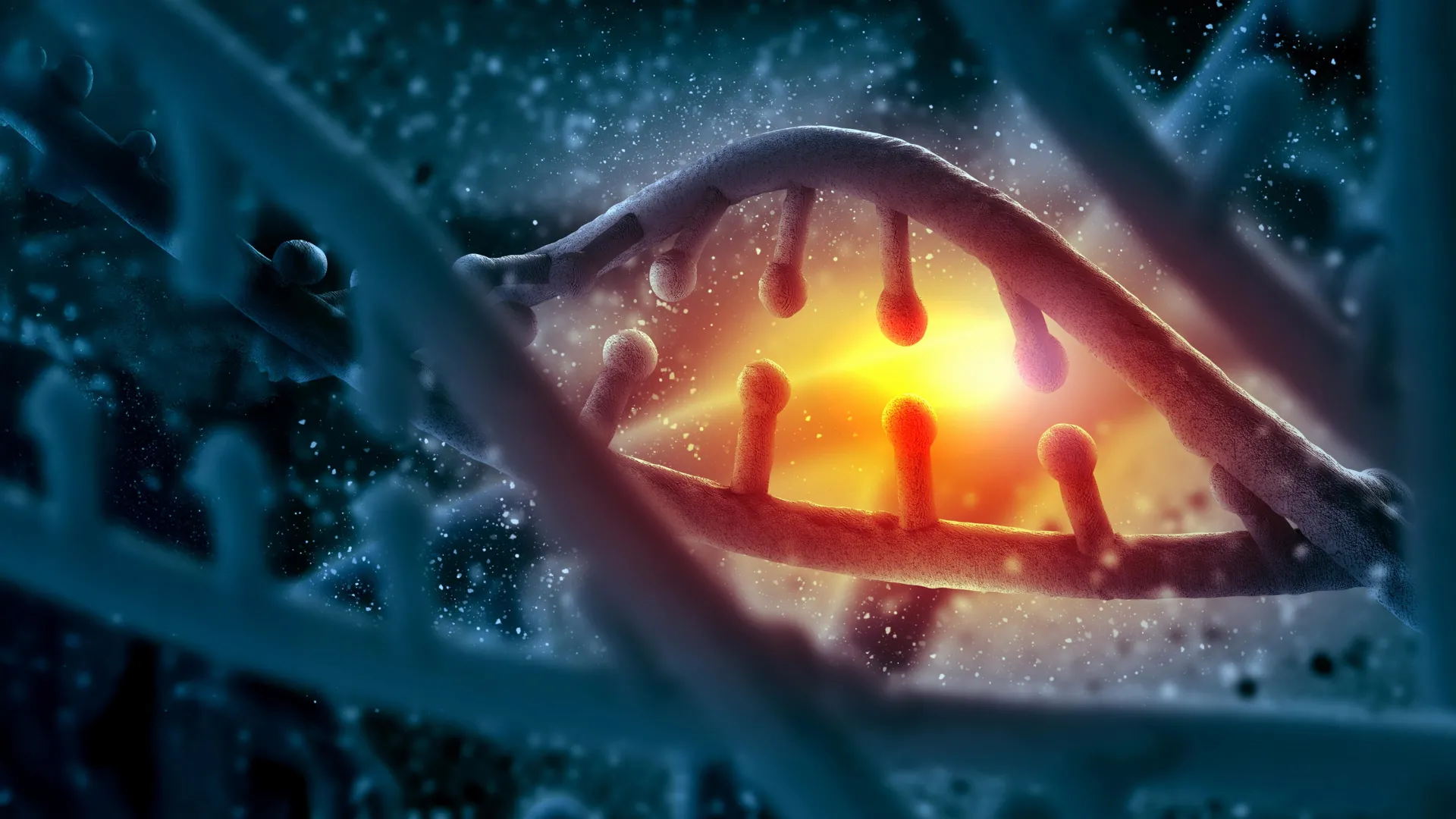
Scientists at Cedars-Sinai have created an experimental medication that can help repair damaged DNA. The drug, called TY1, represents an early example of a new group of treatments aimed at restoring tissue harmed by heart attacks, inflammatory disorders or other medical conditions.

Researchers explained how TY1 works in a paper published on December 3 in Science Translational Medicine.

“By probing the mechanisms of stem cell therapy, we discovered a way to heal the body without using stem cells,” said Eduardo Marbán, MD, PhD, executive director of the Smidt Heart Institute at Cedars-Sinai and senior author of the study. “TY1 is the first exomer — a new class of drugs that address tissue damage in unexpected ways.”

How TY1 Supports DNA Repair

TY1 is a lab-created version of an RNA molecule that already exists in human cells. The research team showed that TY1 boosts the activity of a gene known as TREX1. This gene helps immune cells clear away damaged DNA, and by supporting this process, TY1 helps injured tissues recover.

Discovery Built on Decades of Research

The path to TY1 began more than twenty years ago. In earlier work at Johns Hopkins University, Marbán’s laboratory developed a method to extract progenitor cells from human heart tissue. These cells share some qualities with stem cells but are more specialized. They can create new, healthy heart tissue and play a role in heart regeneration.

At Cedars-Sinai, the research advanced further when Ahmed Ibrahim, PhD, MPH, discovered that heart progenitor cells release small sacs filled with biological molecules. These sacs, known as exosomes, contain RNA that appears to guide tissue repair.

“Exosomes are like envelopes with important information,” said Ibrahim, associate professor in the Department of Cardiology in the Smidt Heart Institute and first author of the paper. “We wanted to take apart these coded messages and figure out which molecules were, themselves, therapeutic.”

Identifying the Key RNA Molecule

Scientists analyzed the RNA inside the exosomes and found that one type of RNA appeared much more often than the others. Its abundance suggested that it might play a major role in healing. Laboratory studies in animals showed that this natural RNA helped tissues recover after a heart attack.

TY1 is a carefully engineered version of that RNA, created to resemble RNA medicines already used in clinical settings. TY1 increases the number of immune cells that repair DNA damage. This reduces the amount of scar tissue that forms after a heart attack and supports better healing.

“By enhancing DNA repair, we can heal tissue damage that occurs during a heart attack,” Ibrahim said. He added that TY1 may also be effective in autoimmune diseases in which the immune system mistakenly attacks healthy tissue. According to Ibrahim, this represents a new biological pathway for repairing tissue and could lead to treatments for many different conditions.

Next Steps and Study Support

Researchers plan to evaluate TY1 in clinical trials to determine how well it works in people.

Other Cedars-Sinai contributors to the study include Alessandra Ciullo, Hiroaki Komuro, Kazutaka Miyamoto, Xaviar M. Jones, Shukuro Yamaguchi, Kara Tsi, Jessica Anderson, Joshua Godoy Coto, Diana Kitka, Ke Liao, Chang Li, Alice Rannou, Asma Nawaz, Ashley Morris, Cristina H. Marbán, Jamie Lee, Nancy Manriquez, Yeojin Hong, Arati Naveen Kumar, James F. Dawkins and Russell G. Rogers.

Funding for the work came from National Heart, Lung, and Blood Institute grants R01 HL164588 and T32 HL116273, and R01 HL142579. The California Institute for Regenerative Medicine also provided support through grant TRAN1-15317.

Share. Facebook Twitter Pinterest LinkedIn Tumblr Email
Previous ArticleChatGPT’s user growth has slowed, report finds
Next Article Health Systems Make Remote Work an Integral Part of Operations
primereports
  • Website

Related Posts

Science

Wild spaces for butterflies to be created in Glasgow

March 2, 2026
Science

Rapamycin can add years to your life, or none at all – it’s a lottery

February 25, 2026
Science

2,800-year-old mass grave of women and children discovered in Serbia reveals ‘brutal, deliberate and efficient’ violence

February 24, 2026
Add A Comment
Leave A Reply Cancel Reply

Top Posts

Global Resources Outlook 2024 | UNEP

December 6, 20255 Views

The D Brief: DHS shutdown likely; US troops leave al-Tanf; CNO’s plea to industry; Crowded robot-boat market; And a bit more.

February 14, 20264 Views

German Chancellor Merz faces difficult mission to Israel – DW – 12/06/2025

December 6, 20254 Views
Stay In Touch
  • Facebook
  • YouTube
  • TikTok
  • WhatsApp
  • Twitter
  • Instagram
Latest Reviews

Subscribe to Updates

Get the latest tech news from FooBar about tech, design and biz.

PrimeReports.org
Independent global news, analysis & insights.

PrimeReports.org brings you in-depth coverage of geopolitics, markets, technology and risk – with context that helps you understand what really matters.

Editorially independent · Opinions are those of the authors and not investment advice.
Facebook X (Twitter) LinkedIn YouTube
Key Sections
  • World
  • Geopolitics
  • Popular Now
  • Artificial Intelligence
  • Cybersecurity
  • Crypto
All Categories
  • Artificial Intelligence
  • Climate Risks
  • Crypto
  • Cybersecurity
  • Defense
  • Economy
  • Geopolitics
  • Global Markets
  • Healthcare Innovation
  • Politics
  • Popular Now
  • Science
  • Technology
  • World
  • About Us
  • Contact Us
  • Privacy Policy
  • Terms & Conditions
  • Disclaimer
  • Cookie Policy
  • DMCA / Copyright Notice
  • Editorial Policy

Sign up for Prime Reports Briefing – essential stories and analysis in your inbox.

By subscribing you agree to our Privacy Policy. You can opt out anytime.
Latest Stories
  • Global economy must stop pandering to ‘frivolous desires of ultra-rich’, says UN expert | Environment
  • Some Middle East Flights Resume but Confusion Reigns From Iran Strikes
  • Clinton Deposition Videos Released in Epstein Investigation
© 2026 PrimeReports.org. All rights reserved.
Privacy Terms Contact

Type above and press Enter to search. Press Esc to cancel.