

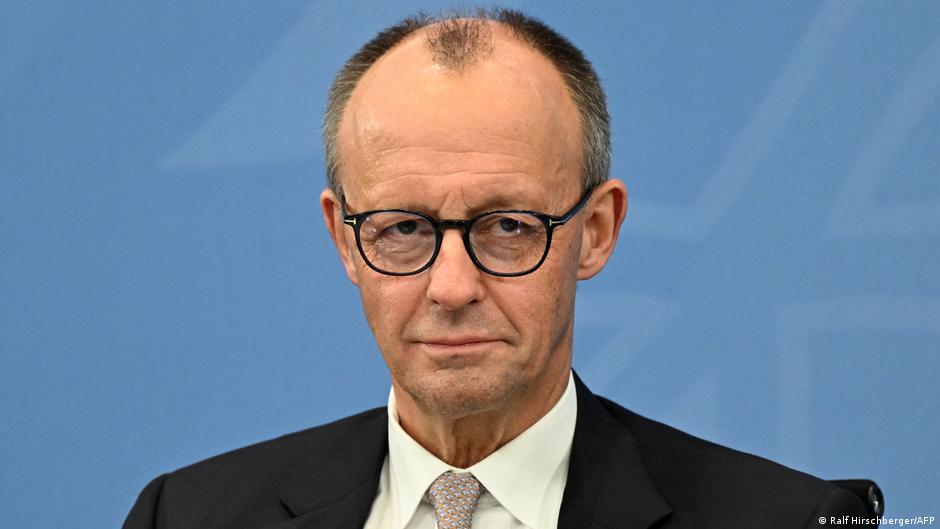
German Chancellor Friedrich Merz is heading to Brussels on Friday for a private dinner meeting to speak with Belgian Prime Minister Bart De Wever and European Commission President Ursula von der Leyen.
The meeting has been hastily arranged at the last minute; Merz had originally been scheduled to visit Norway on Friday.
No official explanation was given for the shift, but the timing is notable: it comes just one day after the European Commission unveiled a proposal to raise €90 billion (about $105 billion) for Ukraine, with some of it generated by frozen Russian assets.
Merz and his government strongly support the initiative. In an opinion piece published Wednesday in the Frankfurter Allgemeine Zeitung, he argued that the financial risks should be shared fairly among EU member states, proportionate to their economic strength.
Belgium, which holds the largest share of frozen Russian assets, has voiced concerns about the legality of such a move. Despite Merz’s assurances, Brussels remains unconvinced.
German Foreign Minister Johann Wadephul reiterated Berlin’s stance on Thursday, saying the government is “pursuing the clear political goal of making these assets usable” to help Ukraine sustain its defense and basic services. He stressed that consultations with all EU partners were ongoing.
The decision to arrange a private dinner of national leaders at short notice underscores the complexity of the negotiations.
While Merz, von der Leyen and De Wever all identify as conservatives, De Wever’s party sits with the hard-right bloc in the European Parliament, which includes euroskeptic and nationalist forces.
The stakes are high: proponents of the plan hope EU leaders will reach an agreement at their summit from December 18 to 19.
