
LIVE NEWS
  • Golden Dome, out-years and lots of missiles: Details of Trump’s $1.5T defense budget request
  • Supreme Court ruling on ‘conversion therapy’ puts medical talk in the hot seat
  • Savannah Guthrie returns to Today show for first time since mother’s disappearance | Media
  • Apple Removes Jack Dorsey Bitchat App from China for Beijing
  • Wyden warns Social Security chief: Trump’s voter database is ‘blatant voter suppression’
  • climbs above $69k on reports of potential Iran ceasefire By Investing.com
  • 'Really feeling the love' – Savannah Guthrie returns to NBC as search for mother goes on
  • EUR/USD remains capped below 1.1570 despite US Dollar’s weakness
Prime Reports
  • Home
  • Popular Now
  • Crypto
  • Cybersecurity
  • Economy
  • Geopolitics
  • Global Markets
  • Politics
  • See More
    • Artificial Intelligence
    • Climate Risks
    • Defense
    • Healthcare Innovation
    • Science
    • Technology
    • World
Prime Reports
  • Home
  • Popular Now
  • Crypto
  • Cybersecurity
  • Economy
  • Geopolitics
  • Global Markets
  • Politics
  • Artificial Intelligence
  • Climate Risks
  • Defense
  • Healthcare Innovation
  • Science
  • Technology
  • World
Home»Science»Scientists found a protein that drives brain aging — and how to stop it
Science

Scientists found a protein that drives brain aging — and how to stop it

primereportsBy primereportsApril 5, 2026No Comments3 Mins Read
Share Facebook Twitter Pinterest LinkedIn Tumblr Reddit Telegram Email
Scientists found a protein that drives brain aging — and how to stop it
Share
Facebook Twitter LinkedIn Pinterest Email


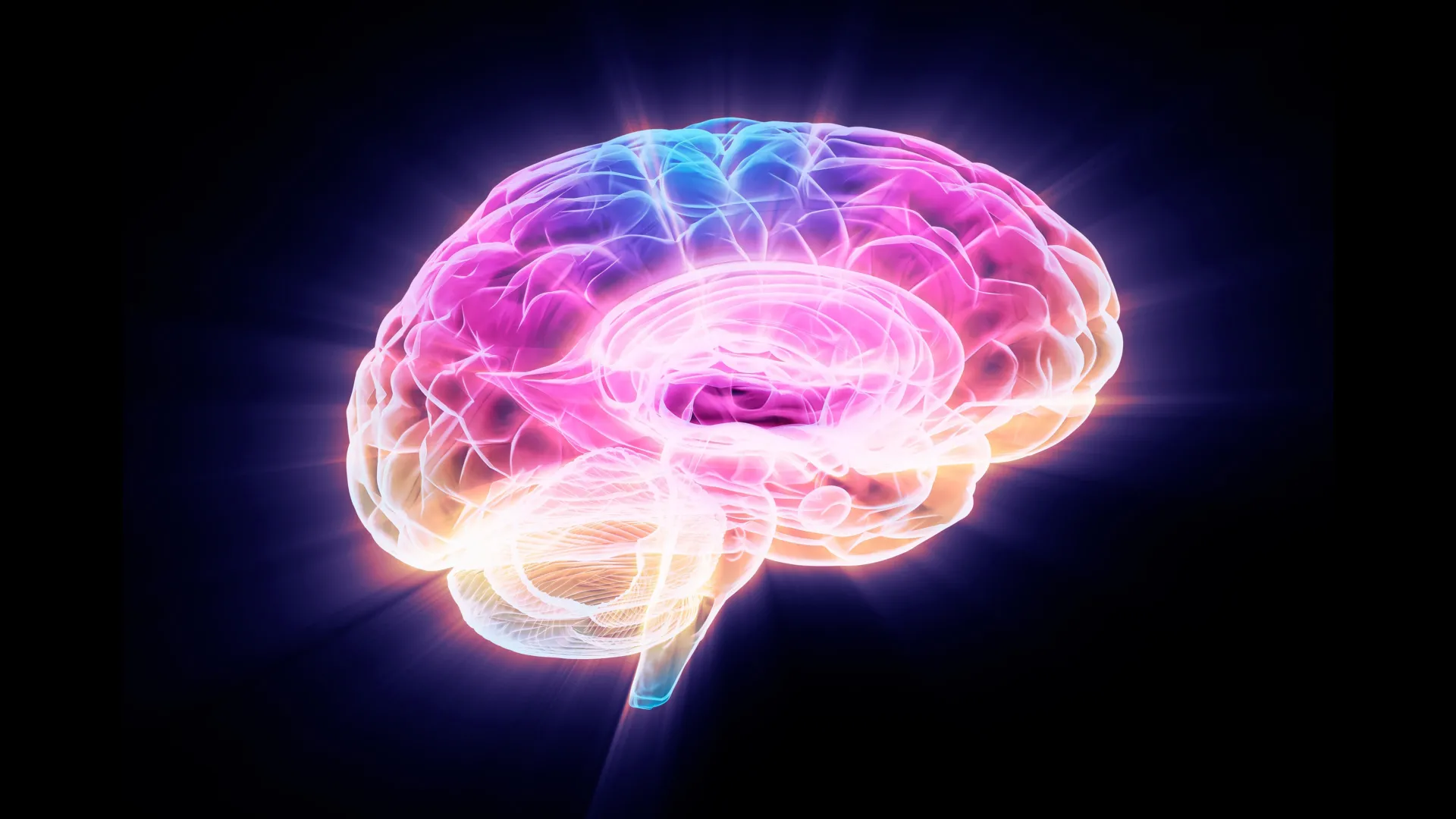
Aging takes a serious toll on the hippocampus, the part of the brain that plays a central role in learning and memory.

Scientists at UC San Francisco have now pinpointed a protein that appears to drive much of this decline.

FTL1 Emerges as a Key Driver of Brain Aging

To understand what changes with age, the researchers tracked shifts in genes and proteins in the hippocampus of mice over time. Among everything they examined, only one stood out as consistently different between young and old animals. That protein is called FTL1.

Older mice showed higher levels of FTL1. At the same time, they had fewer connections between neurons in the hippocampus and performed worse on cognitive tests.

How FTL1 Alters Brain Function

When the team boosted FTL1 levels in young mice, the effects were striking. Their brains began to look and function more like those of older mice, and their behavior reflected this shift.

Lab experiments revealed more detail. Nerve cells engineered to produce high amounts of FTL1 developed simplified structures, forming short, single extensions instead of the complex, branching networks seen in healthy cells.

Reversing Memory Decline by Lowering FTL1

The most surprising result came when researchers reduced FTL1 in older mice. The animals showed clear signs of recovery. Connections between brain cells increased, and their performance on memory tests improved.

“It is truly a reversal of impairments,” said Saul Villeda, PhD, associate director of the UCSF Bakar Aging Research Institute and senior author of the paper, which was published in Nature Aging. “It’s much more than merely delaying or preventing symptoms.”

Metabolism Link Points to New Treatments

Further experiments showed that FTL1 also affects how brain cells use energy. In older mice, higher levels of the protein slowed cellular metabolism in the hippocampus. However, when researchers treated these cells with a compound that boosts metabolism, the negative effects were prevented.

Hope for Future Brain Aging Therapies

Villeda believes these findings could pave the way for treatments that target FTL1 and counter its effects in the brain.

“We’re seeing more opportunities to alleviate the worst consequences of old age,” he said. “It’s a hopeful time to be working on the biology of aging.”

Authors and Funding

Other UCSF authors are Laura Remesal, PhD, Juliana Sucharov-Costa, Karishma J.B. Pratt, PhD, Gregor Bieri, PhD, Amber Philp, PhD, Mason Phan, Turan Aghayev, MD, PhD, Charles W. White III, PhD, Elizabeth G. Wheatley, PhD, Brandon R. Desousa, Isha H. Jian, Jason C. Maynard, PhD, and Alma L. Burlingame, PhD. For all authors see the paper.

This work was funded in part by the Simons Foundation, Bakar Family Foundation, National Science Foundation, Hillblom Foundation, Bakar Aging Research Institute, Marc and Lynne Benioff, and the National Institutes of Health (AG081038, AG067740, AG062357, P30 DK063720). For all funding see the paper.

Share. Facebook Twitter Pinterest LinkedIn Tumblr Email
Previous ArticleBBC reports near Strait of Hormuz
Next Article Navy shipbuilding request rises nearly 50% in 2027 proposal
primereports
  • Website

Related Posts

Science

Supreme Court ruling on ‘conversion therapy’ puts medical talk in the hot seat

April 6, 2026
Science

The powerful new Rubin Observatory just found 11,000 new asteroids and measured ‘tens of thousands more’

April 5, 2026
Science

Satellite mirror plans could disrupt sleep and ecosystems worldwide, scientists say | Satellites

April 5, 2026
Add A Comment
Leave A Reply Cancel Reply

Top Posts

Global Resources Outlook 2024 | UNEP

December 6, 20258 Views

The D Brief: DHS shutdown likely; US troops leave al-Tanf; CNO’s plea to industry; Crowded robot-boat market; And a bit more.

February 14, 20264 Views

German Chancellor Merz faces difficult mission to Israel – DW – 12/06/2025

December 6, 20254 Views
Stay In Touch
  • Facebook
  • YouTube
  • TikTok
  • WhatsApp
  • Twitter
  • Instagram
Latest Reviews

Subscribe to Updates

Get the latest tech news from FooBar about tech, design and biz.

PrimeReports.org
Independent global news, analysis & insights.

PrimeReports.org brings you in-depth coverage of geopolitics, markets, technology and risk – with context that helps you understand what really matters.

Editorially independent · Opinions are those of the authors and not investment advice.
Facebook X (Twitter) LinkedIn YouTube
Key Sections
  • World
  • Geopolitics
  • Popular Now
  • Artificial Intelligence
  • Cybersecurity
  • Crypto
All Categories
  • Artificial Intelligence
  • Climate Risks
  • Crypto
  • Cybersecurity
  • Defense
  • Economy
  • Geopolitics
  • Global Markets
  • Healthcare Innovation
  • Politics
  • Popular Now
  • Science
  • Technology
  • World
  • About Us
  • Contact Us
  • Privacy Policy
  • Terms & Conditions
  • Disclaimer
  • Cookie Policy
  • DMCA / Copyright Notice
  • Editorial Policy

Sign up for Prime Reports Briefing – essential stories and analysis in your inbox.

By subscribing you agree to our Privacy Policy. You can opt out anytime.
Latest Stories
  • Golden Dome, out-years and lots of missiles: Details of Trump’s $1.5T defense budget request
  • Supreme Court ruling on ‘conversion therapy’ puts medical talk in the hot seat
  • Savannah Guthrie returns to Today show for first time since mother’s disappearance | Media
© 2026 PrimeReports.org. All rights reserved.
Privacy Terms Contact

Type above and press Enter to search. Press Esc to cancel.