
LIVE NEWS
  • Don’t buy a power bank until you see my 4 favorite picks for 20,000mAh and above
  • Peter Magyar says his election win has ‘liberated Hungary’ from Orban | Elections
  • Meta AI and KAUST Researchers Propose Neural Computers That Fold Computation, Memory, and I/O Into One Learned Model
  • 'It's a special thing to be on Planet Earth': Nasa's Artemis crew welcomed home
  • Vance returns to DC after Iran rejects US peace offer in Islamabad
  • How can regulators rein in sports betting’s negative effects?
  • Why Ozempic doesn’t work for everyone: Scientists just found a hidden reason
  • Hungarian Prime Minister Viktor Orbán concedes defeat after ‘painful’ election result
Prime Reports
  • Home
  • Popular Now
  • Crypto
  • Cybersecurity
  • Economy
  • Geopolitics
  • Global Markets
  • Politics
  • See More
    • Artificial Intelligence
    • Climate Risks
    • Defense
    • Healthcare Innovation
    • Science
    • Technology
    • World
Prime Reports
  • Home
  • Popular Now
  • Crypto
  • Cybersecurity
  • Economy
  • Geopolitics
  • Global Markets
  • Politics
  • Artificial Intelligence
  • Climate Risks
  • Defense
  • Healthcare Innovation
  • Science
  • Technology
  • World
Home»World»Scientists say we’ve been looking in the wrong place for human origins
World

Scientists say we’ve been looking in the wrong place for human origins

primereportsBy primereportsMarch 28, 2026No Comments2 Mins Read
Share Facebook Twitter Pinterest LinkedIn Tumblr Reddit Telegram Email
Scientists say we’ve been looking in the wrong place for human origins
Share
Facebook Twitter LinkedIn Pinterest Email


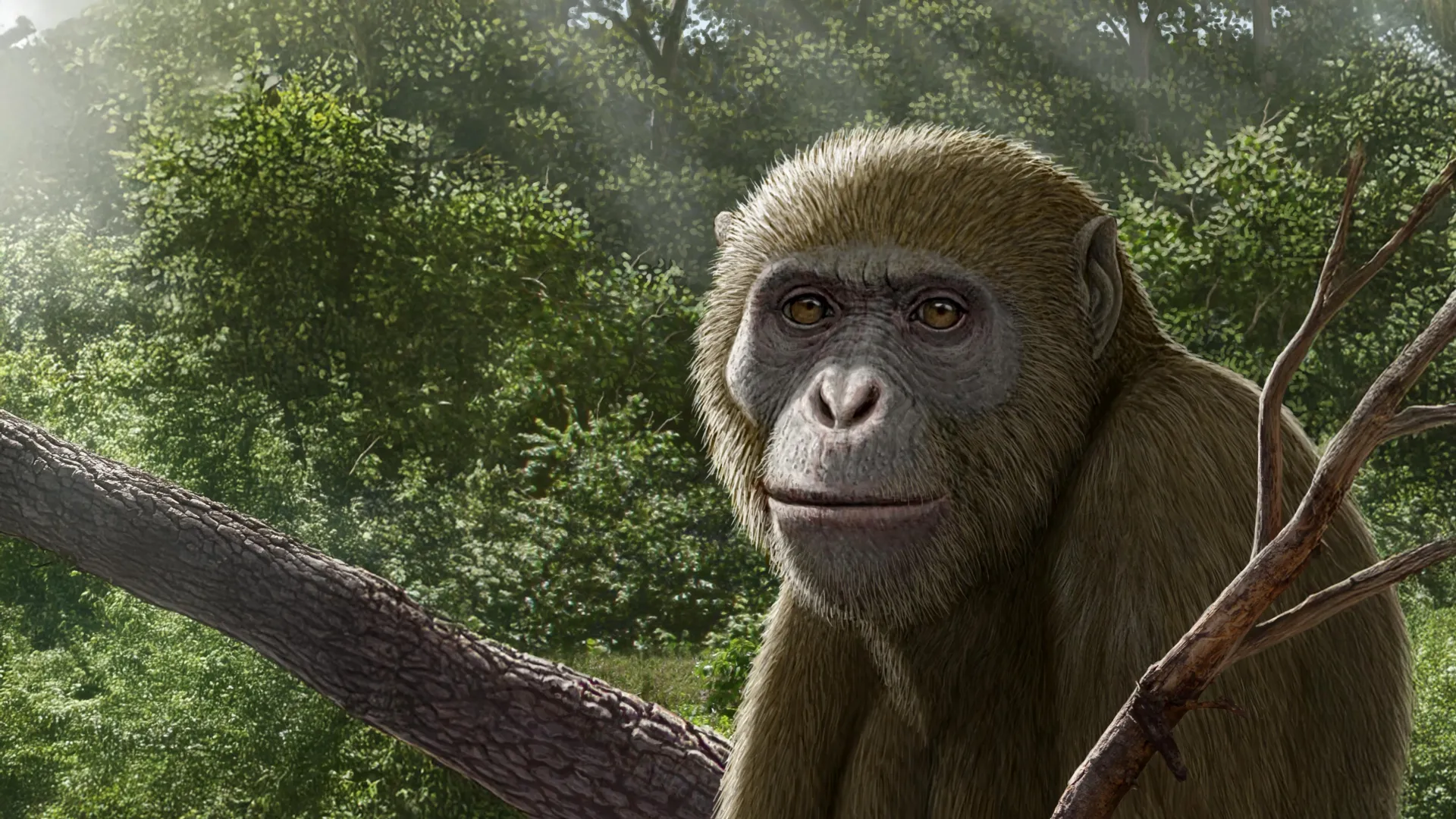
Researchers report that a newly uncovered fossil ape from northern Egypt is changing how scientists view early hominoid evolution. The discovery suggests that the closest ancestors of modern apes may have originated in northern Africa, rather than in East Africa, which has long been the main focus of fossil research. “[The] findings […] confirm that paleontologists might have been looking for crown-hominoid ancestors in the wrong place,” write David Alba and Júlia Arias-Martorell in a related Perspective.

The fossil dates to about 17-18 million years ago and belongs to a newly identified species called Masripithecus. It is considered the closest known hominoid relative to the lineage that eventually led to all living apes, including humans. Scientists generally agree that the earliest apes (stem hominoids) first appeared in Afro-Arabia during the Oligocene Epoch more than 25 million years ago. These early apes later spread into Eurasia between about 14 and 16 million years ago during the Miocene. Still, the exact origin of modern apes, which include all living species and their last common ancestor, remains uncertain because fossils from this time are rare, scattered, and often difficult to interpret. This challenge is made worse by gaps in Africa’s fossil record, where most discoveries come from a limited number of locations, leaving large areas from this period unexplored.

Masripithecus moghraensis and Early Ape Diversity

Shorouq Al-Ashqar and colleagues describe the fossil, which was found in the Wadi Moghra region of northern Egypt and dates to around 17-18 million years ago. The species, named Masripithecus moghraensis, provides new insight into ape diversity during a key period when Afro-Arabia was becoming connected to Eurasia, allowing species to spread beyond Africa.

To determine how this species fits into the evolutionary history of humans, the researchers used a Bayesian “tip-dating” method. This approach combines anatomical features with fossil ages to estimate evolutionary relationships and divergence times. Their results indicate that Masripithecus is a stem hominoid closely related to the lineage that eventually gave rise to all modern apes.

New Clues to the Origins of Modern Apes

Based on their findings, the researchers suggest that modern apes may have originated in northern Afro-Arabia, the Levant, or the eastern Mediterranean. This challenges long-standing assumptions and highlights how much remains unknown about the early evolution of apes and humans.

Share. Facebook Twitter Pinterest LinkedIn Tumblr Email
Previous ArticleHow the US-Israel war on Iran unfolded in its first four weeks | US-Israel war on Iran News
Next Article RPA matters, but AI changes how automation works
primereports
  • Website

Related Posts

World

'It's a special thing to be on Planet Earth': Nasa's Artemis crew welcomed home

April 13, 2026
World

Hungarian Prime Minister Viktor Orbán concedes defeat after ‘painful’ election result

April 12, 2026
World

A country-by-country glance at Pope Leo XIV’s trip to Africa : NPR

April 12, 2026
Add A Comment
Leave A Reply Cancel Reply

Top Posts

Global Resources Outlook 2024 | UNEP

December 6, 20258 Views

The D Brief: DHS shutdown likely; US troops leave al-Tanf; CNO’s plea to industry; Crowded robot-boat market; And a bit more.

February 14, 20264 Views

German Chancellor Merz faces difficult mission to Israel – DW – 12/06/2025

December 6, 20254 Views
Stay In Touch
  • Facebook
  • YouTube
  • TikTok
  • WhatsApp
  • Twitter
  • Instagram
Latest Reviews

Subscribe to Updates

Get the latest tech news from FooBar about tech, design and biz.

PrimeReports.org
Independent global news, analysis & insights.

PrimeReports.org brings you in-depth coverage of geopolitics, markets, technology and risk – with context that helps you understand what really matters.

Editorially independent · Opinions are those of the authors and not investment advice.
Facebook X (Twitter) LinkedIn YouTube
Key Sections
  • World
  • Geopolitics
  • Popular Now
  • Artificial Intelligence
  • Cybersecurity
  • Crypto
All Categories
  • Artificial Intelligence
  • Climate Risks
  • Crypto
  • Cybersecurity
  • Defense
  • Economy
  • Geopolitics
  • Global Markets
  • Healthcare Innovation
  • Politics
  • Popular Now
  • Science
  • Technology
  • World
  • About Us
  • Contact Us
  • Privacy Policy
  • Terms & Conditions
  • Disclaimer
  • Cookie Policy
  • DMCA / Copyright Notice
  • Editorial Policy

Sign up for Prime Reports Briefing – essential stories and analysis in your inbox.

By subscribing you agree to our Privacy Policy. You can opt out anytime.
Latest Stories
  • Don’t buy a power bank until you see my 4 favorite picks for 20,000mAh and above
  • Peter Magyar says his election win has ‘liberated Hungary’ from Orban | Elections
  • Meta AI and KAUST Researchers Propose Neural Computers That Fold Computation, Memory, and I/O Into One Learned Model
© 2026 PrimeReports.org. All rights reserved.
Privacy Terms Contact

Type above and press Enter to search. Press Esc to cancel.