
LIVE NEWS
  • Global economy must stop pandering to ‘frivolous desires of ultra-rich’, says UN expert | Environment
  • Some Middle East Flights Resume but Confusion Reigns From Iran Strikes
  • Clinton Deposition Videos Released in Epstein Investigation
  • Elevance stock tumbles as CMS may halt Medicare enrollment
  • Wild spaces for butterflies to be created in Glasgow
  • You can now adjust how your caller card looks for calls on Android phones
  • TRON DAO expands TRON Academy initiative with Dartmouth, Princeton, Oxford, and Cambridge
  • Alex Mitchell: England scrum-half ruled out of Six Nations
Prime Reports
  • Home
  • Popular Now
  • Crypto
  • Cybersecurity
  • Economy
  • Geopolitics
  • Global Markets
  • Politics
  • See More
    • Artificial Intelligence
    • Climate Risks
    • Defense
    • Healthcare Innovation
    • Science
    • Technology
    • World
Prime Reports
  • Home
  • Popular Now
  • Crypto
  • Cybersecurity
  • Economy
  • Geopolitics
  • Global Markets
  • Politics
  • Artificial Intelligence
  • Climate Risks
  • Defense
  • Healthcare Innovation
  • Science
  • Technology
  • World
Home»Global Markets»The Guardian view on Donald Trump’s tariffs: a nostalgia that misreads a changed world | Editorial
Global Markets

The Guardian view on Donald Trump’s tariffs: a nostalgia that misreads a changed world | Editorial

primereportsBy primereportsFebruary 25, 2026No Comments3 Mins Read
Share Facebook Twitter Pinterest LinkedIn Tumblr Reddit Telegram Email
The Guardian view on Donald Trump’s tariffs: a nostalgia that misreads a changed world | Editorial
Share
Facebook Twitter LinkedIn Pinterest Email


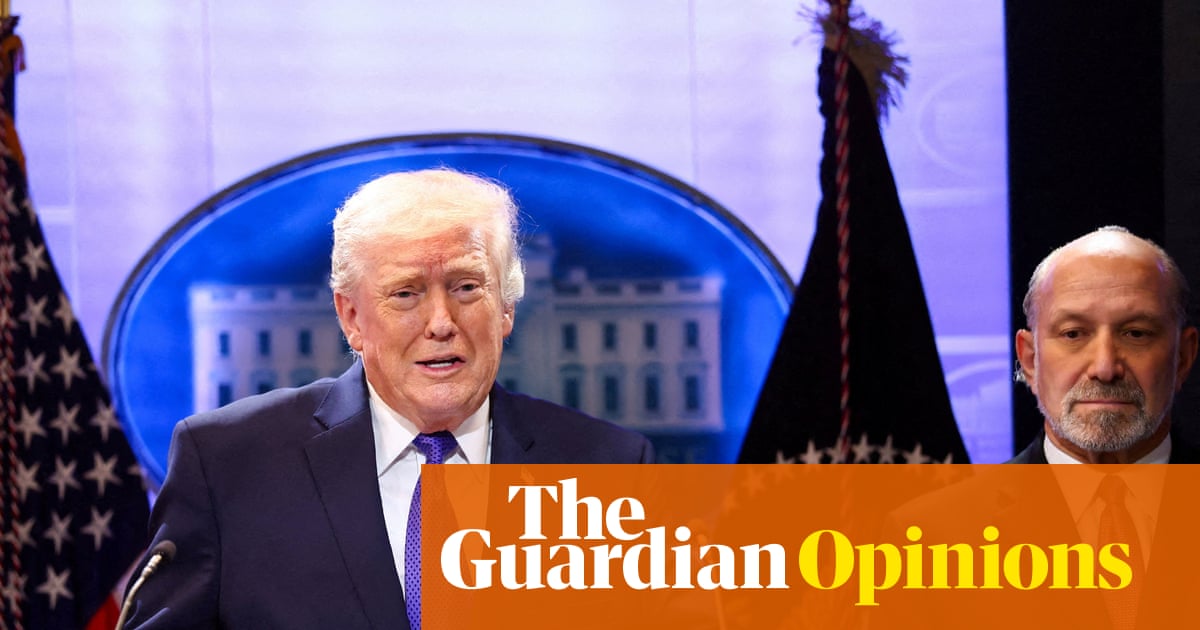
When the US supreme court voted 6-3 last Friday to strike down Donald Trump’s tariffs, he was incandescent. Two judges he had elevated – Neil Gorsuch and Amy Coney Barrett – were suddenly recast as traitors to the cause. Both were, he insinuated, under the sway of foreign interests. The court ruled that the tariffs overstepped the powers the US Congress granted under the 1977 International Emergency Economic Powers Act. Mr Trump responded by reaching for a 1974 trade law, invoking “international payments problems” to slap on a 10% tariff for 150 days.

Mr Trump was moulded by the 1970s. His political DNA was formed in that era’s crises and he governs as if America were still in the Nixon era of shock politics. In some ways there are parallels. The political mobilisation around economic insecurity echoes that period, as does distrust in elite authority. This explains why many populist politicians on the right reach for the 1970s, which fits the mood of decline and rivalry and offers a narrative of “restoring strength”. Internationally, Mr Trump also sees the world through the 1970s lens of industrial rivalry and trade grievance. But the world today is in a far more financialised and interdependent state.

That is why Mr Trump cannot treat today’s US trade deficits as 1970s-style balance-of-payments crises. The old Bretton Woods system ended in 1971. Today, America is not running out of gold to pay its creditors. It is losing ground in highly complex manufacturing to emerging rivals, especially China. It’s not just Mr Trump. The question isn’t whether western governments need industrial policies. It’s whether they can afford not to have them.

Many G7 powers fear slipping down the economic ladder. That is understandable. The lower rungs are filled with unhappy nations suffering hard external constraints such as Sri Lanka. It borrows in dollars, imports essentials priced in dollars and must earn or attract dollars to survive. If exports falter or capital flees, the currency drops, making it harder to import goods. Once a country cannot find enough dollars to pay its debts, the International Monetary Fund comes knocking.

Sri Lanka’s current debt crisis has forced the country to agree to the 17th IMF intervention since 1965 with one of the most aggressive austerity programmes in the country’s history. To be clear, the US faces no hard financing constraint. It does not need exports to pay its debts. It issues the currency in which those debts are written. But if it surrenders command of advanced manufacturing and crucial tech supply chains, it risks something else: slower productivity, weaker global leverage and domestic decay. That is not a payments crisis. It is a crisis of power.

History suggests that the risks are real. Britain lost industrial leadership by 1918, yet sterling endured into the 1930s. It fell not to one shock but to many: war debts, shrinking economic weight, imperial overstretch and self-inflicted deflation. Ultimately, there was dwindling confidence in Britain’s future capacity to outpace its competitors. Capital increasingly gravitated towards the rising American economy, and pricing and settlement followed. Today, the US is the pre-eminent power, having replaced Britain. The dollar survives on confidence in American institutions and innovation. Mr Trump corrodes both. If technological leadership migrates, western – and then US – leadership will follow.

Share. Facebook Twitter Pinterest LinkedIn Tumblr Email
Previous ArticleAustralia–Indonesia treaty a step in the right direction but gaps remain
Next Article How disconnected clouds improve AI data governance
primereports
  • Website

Related Posts

Global Markets

Some Middle East Flights Resume but Confusion Reigns From Iran Strikes

March 3, 2026
Global Markets

EUR/GBP slips as softer Eurozone inflation weighs on the Euro

February 25, 2026
Global Markets

Starmer says ‘more to do’ on cost of living despite £117 fall in energy bills from April – business live | Business

February 25, 2026
Add A Comment
Leave A Reply Cancel Reply

Top Posts

Global Resources Outlook 2024 | UNEP

December 6, 20255 Views

The D Brief: DHS shutdown likely; US troops leave al-Tanf; CNO’s plea to industry; Crowded robot-boat market; And a bit more.

February 14, 20264 Views

German Chancellor Merz faces difficult mission to Israel – DW – 12/06/2025

December 6, 20254 Views
Stay In Touch
  • Facebook
  • YouTube
  • TikTok
  • WhatsApp
  • Twitter
  • Instagram
Latest Reviews

Subscribe to Updates

Get the latest tech news from FooBar about tech, design and biz.

PrimeReports.org
Independent global news, analysis & insights.

PrimeReports.org brings you in-depth coverage of geopolitics, markets, technology and risk – with context that helps you understand what really matters.

Editorially independent · Opinions are those of the authors and not investment advice.
Facebook X (Twitter) LinkedIn YouTube
Key Sections
  • World
  • Geopolitics
  • Popular Now
  • Artificial Intelligence
  • Cybersecurity
  • Crypto
All Categories
  • Artificial Intelligence
  • Climate Risks
  • Crypto
  • Cybersecurity
  • Defense
  • Economy
  • Geopolitics
  • Global Markets
  • Healthcare Innovation
  • Politics
  • Popular Now
  • Science
  • Technology
  • World
  • About Us
  • Contact Us
  • Privacy Policy
  • Terms & Conditions
  • Disclaimer
  • Cookie Policy
  • DMCA / Copyright Notice
  • Editorial Policy

Sign up for Prime Reports Briefing – essential stories and analysis in your inbox.

By subscribing you agree to our Privacy Policy. You can opt out anytime.
Latest Stories
  • Global economy must stop pandering to ‘frivolous desires of ultra-rich’, says UN expert | Environment
  • Some Middle East Flights Resume but Confusion Reigns From Iran Strikes
  • Clinton Deposition Videos Released in Epstein Investigation
© 2026 PrimeReports.org. All rights reserved.
Privacy Terms Contact

Type above and press Enter to search. Press Esc to cancel.