

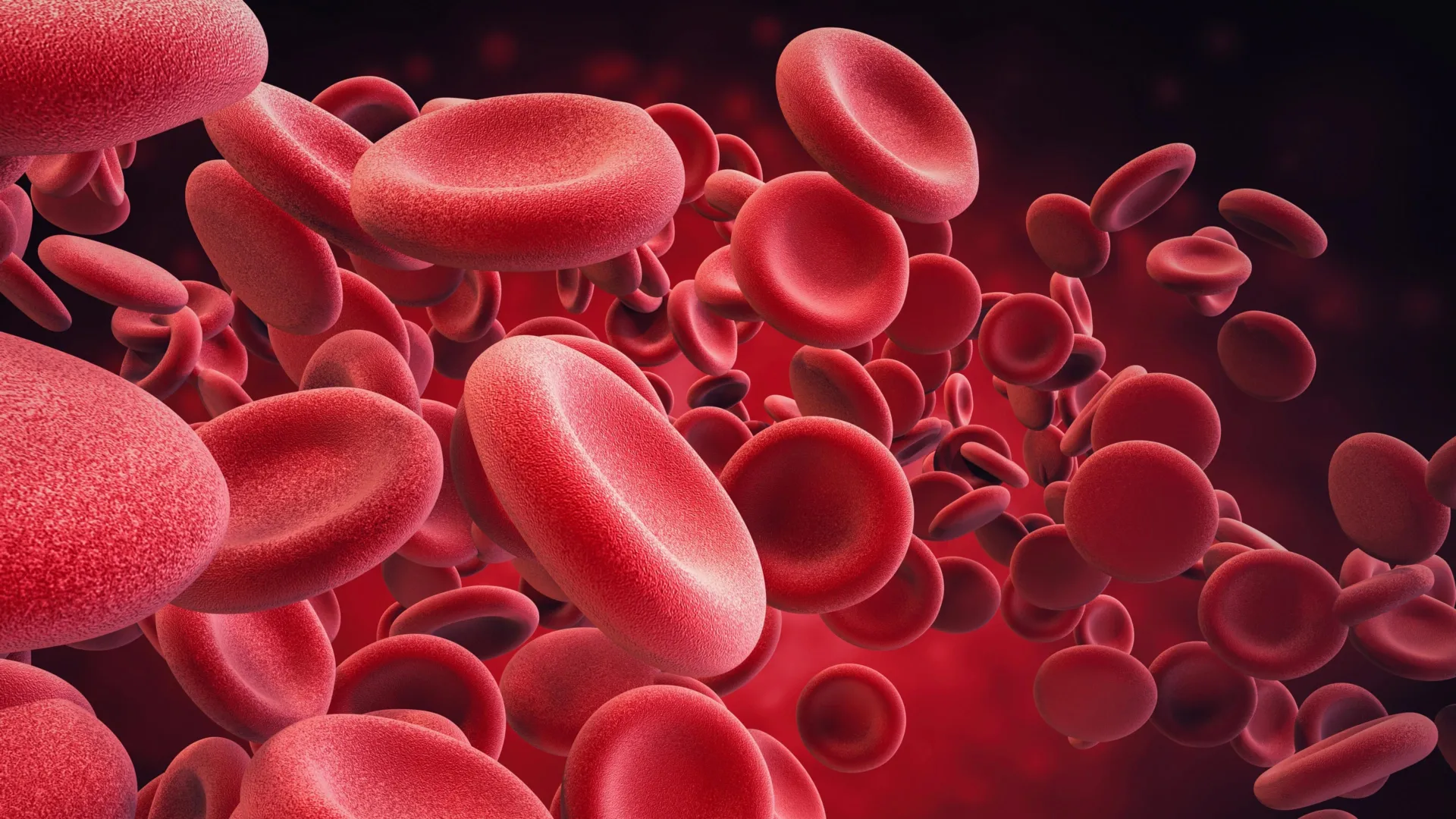
Running extreme distances may do more than exhaust muscles. A study published in the American Society of Hematology’s journal Blood Red Cells & Iron reports that ultra-endurance events can injure red blood cells in ways that may interfere with how they function. Researchers do not yet know how long the damage lasts or what it means for long-term health, but the findings add to growing evidence that very intense exercise may sometimes strain the body rather than strengthen it.
Earlier research found that ultramarathon runners often experience a breakdown of healthy red blood cells during races, which can potentially lead to anemia. However, scientists have not fully understood why this happens. The new study found that after prolonged races, red blood cells become less flexible. Because these cells must bend to pass through tiny blood vessels while delivering oxygen and removing waste, reduced flexibility may limit their efficiency. The team also created the most detailed molecular profile to date showing how endurance races alter red blood cells.
“Participating in events like these can cause general inflammation in the body and damage red blood cells,” said the study’s lead author, Travis Nemkov, PhD, associate professor in the department of biochemistry and molecular genetics at the University of Colorado Anschutz. “Based on these data, we don’t have guidance as to whether people should or should not participate in these types of events; what we can say is, when they do, that persistent stress is damaging the most abundant cell in the body.”
Inside the Study of Ultramarathon Runners
To examine these effects, researchers measured indicators of red blood cell health before and after athletes competed in two demanding races: the Martigny-Combes à Chamonix race (40 kilometers or about 25 miles long) and the Ultra Trail de Mont Blanc race (171 kilometers or 106 miles long). Red blood cells are responsible for carrying oxygen and transporting waste products throughout the body, and their ability to flex is critical for moving through narrow blood vessels.
The team collected blood samples from 23 runners immediately before and after their races. They analyzed thousands of proteins, lipids, metabolites, and trace elements in both plasma and red blood cells. The results consistently showed signs of injury driven by both mechanical (physical) and molecular factors. Mechanical stress likely resulted from shifts in fluid pressure as blood circulates during intense running. Molecular damage appeared linked to inflammation and oxidative stress (when the body has low levels of antioxidants, which fight off molecules that damage DNA and other components within cells).
Longer Races, Greater Cellular Stress
Evidence of accelerated aging and increased breakdown of red blood cells was visible after the 40 kilometer race and was even more pronounced among athletes who completed the 171 kilometer event. Based on these findings, researchers suggest that longer races may lead to greater loss of red blood cells and more damage to those that remain in circulation.
“At some point between marathon and ultra-marathon distances, the damage really starts to take hold,” said Dr. Nemkov. “We’ve observed this damage happening, but we don’t know how long it takes for the body to repair that damage, if that damage has a long-term impact, and whether that impact is good or bad.”
Implications for Performance and Blood Storage
With additional research, the team believes these findings could help guide personalized training, nutrition, and recovery strategies aimed at improving performance while limiting potential harm from extreme endurance exercise. The work may also have broader medical relevance. Stored blood used for transfusions begins to deteriorate after several weeks and must be discarded after six weeks under U.S. Food and Drug Administration regulations. Understanding how intense physical stress affects red blood cells could provide insight into improving blood storage practices.
“Red blood cells are remarkably resilient, but they are also exquisitely sensitive to mechanical and oxidative stress,” said study co-author, Angelo D’Alessandro, PhD, professor at the University of Colorado Anschutz and member of the Hall of Fame of the Association for the Advancement of Blood and Biotherapies. “This study shows that extreme endurance exercise pushes red blood cells toward accelerated aging through mechanisms that mirror what we observe during blood storage. Understanding these shared pathways gives us a unique opportunity to learn how to better protect blood cell function both in athletes and in transfusion medicine.”
Study Limitations and Future Research
The research included a small group of participants and lacked racial diversity. Blood samples were also collected at only two time points. The investigators plan to expand future studies to include more participants, additional blood samples, and more detailed measurements after races. They also intend to further explore ways to extend the shelf life of stored blood.
