
LIVE NEWS
  • Global economy must stop pandering to ‘frivolous desires of ultra-rich’, says UN expert | Environment
  • Some Middle East Flights Resume but Confusion Reigns From Iran Strikes
  • Clinton Deposition Videos Released in Epstein Investigation
  • Elevance stock tumbles as CMS may halt Medicare enrollment
  • Wild spaces for butterflies to be created in Glasgow
  • You can now adjust how your caller card looks for calls on Android phones
  • TRON DAO expands TRON Academy initiative with Dartmouth, Princeton, Oxford, and Cambridge
  • Alex Mitchell: England scrum-half ruled out of Six Nations
Prime Reports
  • Home
  • Popular Now
  • Crypto
  • Cybersecurity
  • Economy
  • Geopolitics
  • Global Markets
  • Politics
  • See More
    • Artificial Intelligence
    • Climate Risks
    • Defense
    • Healthcare Innovation
    • Science
    • Technology
    • World
Prime Reports
  • Home
  • Popular Now
  • Crypto
  • Cybersecurity
  • Economy
  • Geopolitics
  • Global Markets
  • Politics
  • Artificial Intelligence
  • Climate Risks
  • Defense
  • Healthcare Innovation
  • Science
  • Technology
  • World
Home»Defense»What the Air Force Must Do to Prepare for the Next War
Defense

What the Air Force Must Do to Prepare for the Next War

primereportsBy primereportsDecember 5, 2025No Comments3 Mins Read
Share Facebook Twitter Pinterest LinkedIn Tumblr Reddit Telegram Email
What the Air Force Must Do to Prepare for the Next War
Share
Facebook Twitter LinkedIn Pinterest Email


Audio of this article is brought to you by the Air & Space Forces Association, honoring and supporting our Airmen, Guardians, and their families. Find out more at afa.org

The United States Air Force is flying less than historic norms and funding for acquisition and readiness is on a path to further hollow out this too small and old force to that is incapable of sustaining an enduring combat air campaign.   

For too long, senior U.S. defense leaders and Congress have failed to resource the USAF with the combat capability, capacity, and readiness required to answer the growing threat posed by China in the Indo-Pacific. To put it bluntly, the U.S. no longer possesses the decisive airpower advantage required to deter or defeat the array of significant threats facing the nation. The Trump administration and Congress must work together to reverse this decline.

The last time the Air Force was prepared to deter or defeat a peer competitor was at the end of the Cold War. Comparing the readiness of our Air Force then with what we have today is instructive.  

Back in 1987, the U.S. and its allies had 1,423 combat-coded, mission-capable fighters based in Europe. Together, they could generate 7,100 sorties per day to thwart a Soviet invasion into Western Europe. An additional 1,096 mission-capable fighters, plus 175 bombers, were available on call, prepared to rapidly deploy into theater from the United States within 30 days if needed. Doing so would increase daily flying capacity to 11,661 fighter and bomber sorties a day.  

That NATO force was dwarfed by the Soviet Union’s 4,980 combat fighter and bomber inventory, but that was OK; Soviet platforms were inferior, with dated technology, and their pilots trained half as much as U.S. and NATO aircrews. That more than made up the difference in volume.   

Today, however, in a potential conflict with China, the challenge is vastly greater than that posed by the Soviet Union. Given the geography of the Indo-Pacific region, USAF and allied assets based in and operating from the second island chain could generate just 1,049 total sorties a day. By contrast, the PLAAF could generate 4,645 fighter and bomber sorties—more than four times as many. China’s pilots are also training more than ours do. USAF fighter aircrews now fly less than the Soviets did in the 1980s, while Chinese pilots are flying far more frequently.  

Even without adversary interference, reinforcements deploying from the United States would struggle, lacking the reps and sets required to be prepared to pack up and deploy with little notice.   

Having studied our mass mobilizations for Desert Storm and operations since, China will do everything they can to disrupt the fragile U.S. mobilization network. But even if they have no effect on deploying assets, the combined allied force still would be able to generate less than half as many fighter and bomber sorties per day than China could muster.   

With those numbers, the alliance’s ability to defend Taiwan would hinge largely on Chinese inexperience rather than its own capabilities. 

It will take at least 10 years to rebuild USAF’s once dominant readiness posture. Doing so means shifting funding from future research and development to near-, mid-, and long-term readiness. Rebuilding combat capacity, capability, and readiness must happen concurrently, and should begin now.

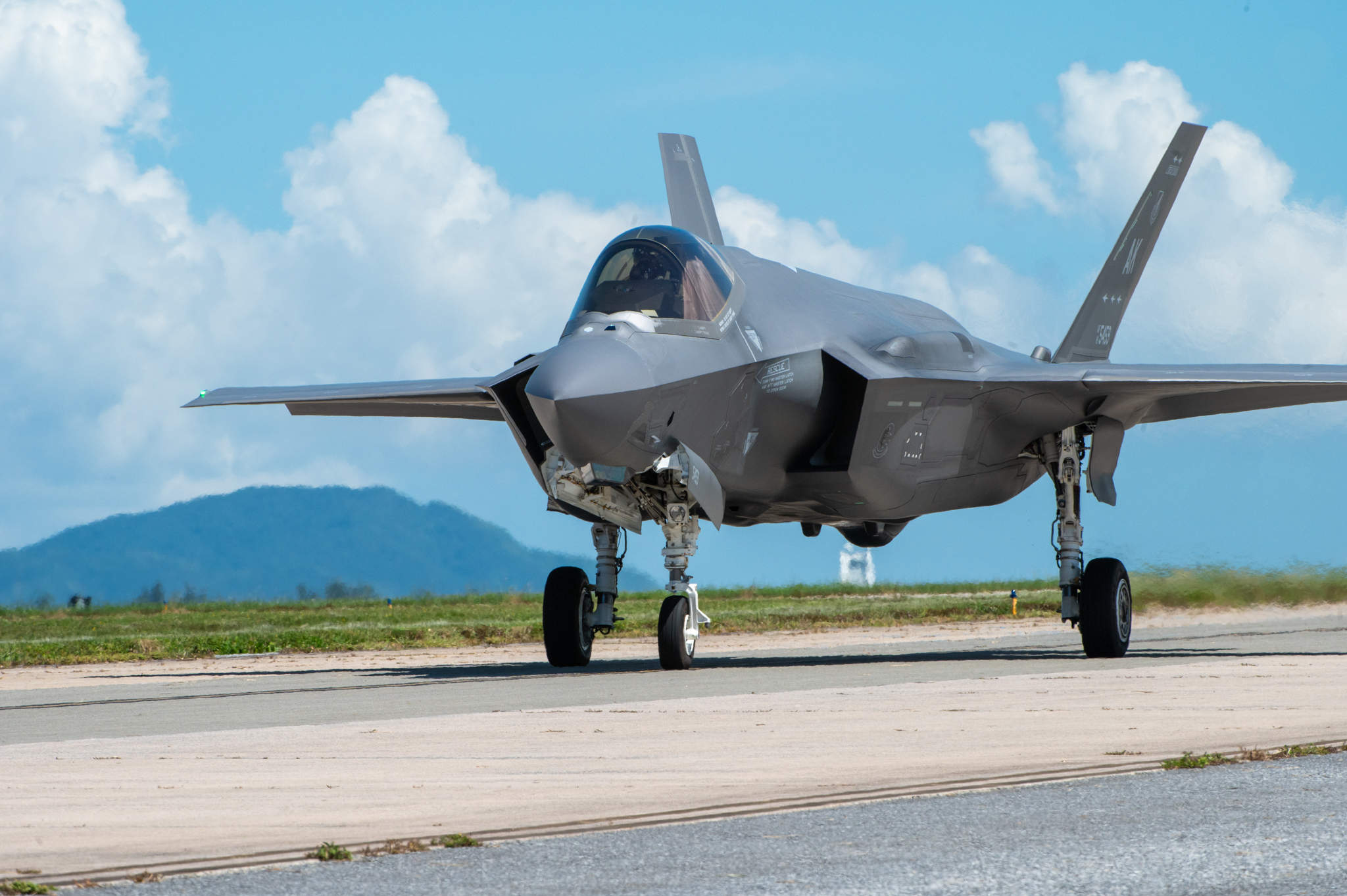
New Chief of Staff Gen. Kenneth Wilsbach emphasized the need to ensure aircrews fly at least three sorties a week during his recent confirmation hearing. Doing so will increase aircrew experience and accelerate production of formation flight leads and instructor pilots, crucial as squadrons transition to the F-35 and the F-15EX from older F-16 and F-15 airframes. Flying more now will reduce the time it takes for transitioning units to reach Initial Operating Capability (IOC). 

Acquiring more new aircraft including the B-21 bomber, Collaborative Combat Aircraft drones, F-47, F-35 and F-15EX fighters, E-7 airborne early warning and battle management aircraft, and EA-37B electronic attack aircraft will also prove pivotal in rebuilding U.S. combat air forces.   

The cost to execute these recommendations is high. USAF will need an additional $38 billion per year to make up for years of underfunding. Only about $8 billion of that can be redirected from RDT&E accounts; the rest will have to be appropriated by Congress. 

Without that funding, the US can expect to cede much of the Indo-Pacific to Chinese domination. That is unacceptable. The choice for Americans is simple: Invest in a first-rate Air Force or risk losing a future war.

Audio of this article is brought to you by the Air & Space Forces Association, honoring and supporting our Airmen, Guardians, and their families. Find out more at afa.org

Share. Facebook Twitter Pinterest LinkedIn Tumblr Email
Previous ArticleTo improve immigrant, refugee maternal health, start by building trust
Next Article Edinburgh airport resumes flights after services suspended due to IT problem | Air transport
primereports
  • Website

Related Posts

Defense

The space supply chain is getting stretched. Here’s how it could impact the Pentagon’s plans.

February 25, 2026
Defense

Trump repeats claims to have ‘obliterated’ Iran’s nuke program, ended ‘8 wars’

February 25, 2026
Defense

Australia’s under-16s social media reform deserves refinement—not dismissal

February 25, 2026
Add A Comment
Leave A Reply Cancel Reply

Top Posts

Global Resources Outlook 2024 | UNEP

December 6, 20255 Views

The D Brief: DHS shutdown likely; US troops leave al-Tanf; CNO’s plea to industry; Crowded robot-boat market; And a bit more.

February 14, 20264 Views

German Chancellor Merz faces difficult mission to Israel – DW – 12/06/2025

December 6, 20254 Views
Stay In Touch
  • Facebook
  • YouTube
  • TikTok
  • WhatsApp
  • Twitter
  • Instagram
Latest Reviews

Subscribe to Updates

Get the latest tech news from FooBar about tech, design and biz.

PrimeReports.org
Independent global news, analysis & insights.

PrimeReports.org brings you in-depth coverage of geopolitics, markets, technology and risk – with context that helps you understand what really matters.

Editorially independent · Opinions are those of the authors and not investment advice.
Facebook X (Twitter) LinkedIn YouTube
Key Sections
  • World
  • Geopolitics
  • Popular Now
  • Artificial Intelligence
  • Cybersecurity
  • Crypto
All Categories
  • Artificial Intelligence
  • Climate Risks
  • Crypto
  • Cybersecurity
  • Defense
  • Economy
  • Geopolitics
  • Global Markets
  • Healthcare Innovation
  • Politics
  • Popular Now
  • Science
  • Technology
  • World
  • About Us
  • Contact Us
  • Privacy Policy
  • Terms & Conditions
  • Disclaimer
  • Cookie Policy
  • DMCA / Copyright Notice
  • Editorial Policy

Sign up for Prime Reports Briefing – essential stories and analysis in your inbox.

By subscribing you agree to our Privacy Policy. You can opt out anytime.
Latest Stories
  • Global economy must stop pandering to ‘frivolous desires of ultra-rich’, says UN expert | Environment
  • Some Middle East Flights Resume but Confusion Reigns From Iran Strikes
  • Clinton Deposition Videos Released in Epstein Investigation
© 2026 PrimeReports.org. All rights reserved.
Privacy Terms Contact

Type above and press Enter to search. Press Esc to cancel.