
LIVE NEWS
  • At least six killed in Kyiv as gunman opens fire and takes hostages
  • What Is Q-Day? The Quantum Threat to Bitcoin Explained
  • Tycoon 2FA Loses Phishing Kit Crown Amid Surge in Attacks
  • My Friend Was 40 Years Older Than Me. She Changed How I See Life.
  • ‘No regrets’: Venezuela’s Machado defends giving Nobel medal to Trump | Donald Trump News
  • Stocks Soar on Middle East Peace Prospects
  • Air Force unit executes test of Anduril’s semiautonomous combat drone
  • 700-year-old mummy from Bolivia contains earliest confirmed evidence of strep throat bacteria in the Americas
Prime Reports
  • Home
  • Popular Now
  • Crypto
  • Cybersecurity
  • Economy
  • Geopolitics
  • Global Markets
  • Politics
  • See More
    • Artificial Intelligence
    • Climate Risks
    • Defense
    • Healthcare Innovation
    • Science
    • Technology
    • World
Prime Reports
  • Home
  • Popular Now
  • Crypto
  • Cybersecurity
  • Economy
  • Geopolitics
  • Global Markets
  • Politics
  • Artificial Intelligence
  • Climate Risks
  • Defense
  • Healthcare Innovation
  • Science
  • Technology
  • World
Home»Science»700-year-old mummy from Bolivia contains earliest confirmed evidence of strep throat bacteria in the Americas
Science

700-year-old mummy from Bolivia contains earliest confirmed evidence of strep throat bacteria in the Americas

primereportsBy primereportsApril 18, 2026No Comments4 Mins Read
Share Facebook Twitter Pinterest LinkedIn Tumblr Reddit Telegram Email
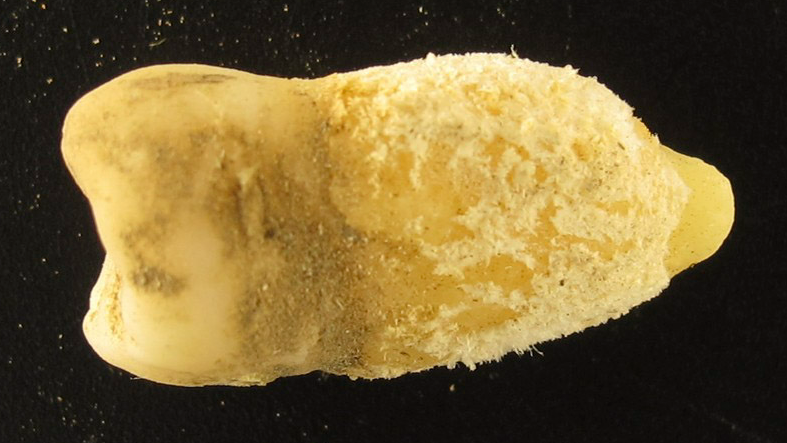
700-year-old mummy from Bolivia contains earliest confirmed evidence of strep throat bacteria in the Americas
Share
Facebook Twitter LinkedIn Pinterest Email


Using ancient-DNA analysis, researchers have identified the presence of Streptococcus pyogenes, or group A strep, in a 700-year-old mummy from Bolivia, confirming that strep infections were present in the Americas prior to European exploration. The strain of strep discovered in the mummy is similar to modern ones that can cause strep throat and scarlet fever.

This is the first time group A strep has been identified in archaeological remains, the researchers said.

“We weren’t looking for this pathogen specifically,” Frank Maixner, director of the Eurac Research Institute for Mummy Studies in Italy and co-author of a study published April 13 in the journal Nature Communications, said in a statement. “When conducting genetic analysis of mummies, we approach the work with an open mind, analyzing not only human genetic material but also the DNA of the numerous microorganisms present in human remains.”


You may like

Maixner and colleagues had been studying naturally mummified remains found in “chullpas,” a type of ancient funeral tower, across the Andean Plateau in Bolivia. These people were buried in the Late Intermediate Period (1000 to 1450), after the collapse of a pre-Inca civilization known as Tiwanaku but before the rise of the Inca Empire.

When analyzing one particular mummy ‪—‬ a young adult male with a modified skull who lived sometime between 1283 and 1383 ‪—‬ the researchers found DNA from several different bacteria, including S. pyogenes and Clostridium botulinum, which can cause botulism.

“The detection of Streptococcus pyogenes was particularly significant,” the researchers wrote in the study. “Despite its presence in modern outbreaks, this pathogen has not yet been detected in ancient times.”

Group A strep is found globally today and is responsible for a spectrum of diseases, from mild conditions like strep throat to life-threatening infections like necrotizing fasciitis. The bacterium also causes scarlet fever, an illness that was historically one of the leading causes of childhood mortality prior to the development of antibiotics in the 1940s.

Get the world’s most fascinating discoveries delivered straight to your inbox.

Despite the worldwide ubiquity of strep for centuries, information about the evolution of the bacterium has come only from modern strains, leaving unanswered questions about whether it was present in the Americas prior to European colonization.

In the new study, however, the researchers were able to isolate a near-complete genome of S. pyogenes from one tooth of the Bolivian mummy. At 700 years old, the genome is the earliest confirmed occurrence of this bacterium in the Americas, the researchers wrote.
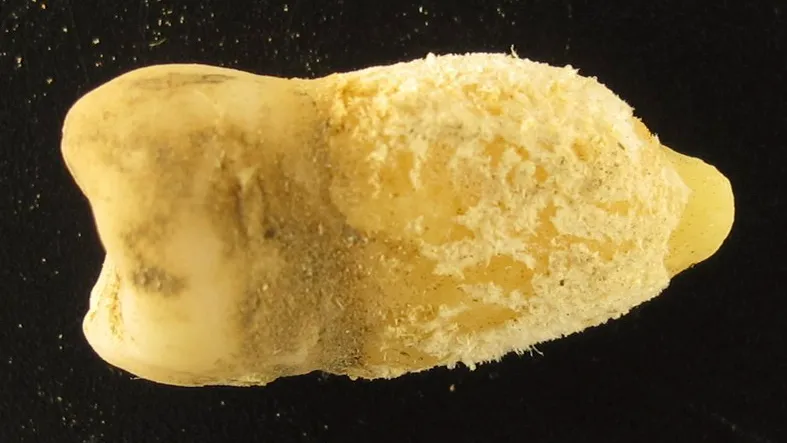
a human premolar tooth against a black background

This tooth belonged to a young man who lived on the Bolivian Altiplano around 700 years ago. Researchers found group A strep bacteria in it. (Image credit: Guido Valverde/Eurac Research)

DNA analysis also revealed that the ancient Bolivian strep strain diverged from all other S. pyogenes lineages around 10,000 years ago. This time frame may have coincided with humans’ first foray into the Andes, as they encountered previously unknown animals that may have carried the pathogen, the researchers noted in the study.

It’s not yet clear, though, which diseases caused by group A strep were present in pre-Hispanic Bolivia. The genome that the researchers identified is most similar to modern strains that are “throat specialists,” or the strains that cause strep throat and scarlet fever rather than skin conditions like impetigo and “flesh-eating disease.” These strains of strep also increase in prevalence in cooler months, which align with the climate of the Bolivian highlands, which were cold and dry.

The young adult whose skeleton was positive for strep DNA lived in a society with increasing population density and high rates of migration, and the researchers found from his bones that his nutritional status was likely below average. All of this evidence “could impact immune function and susceptibility to such ancient infections or potential outbreaks in the past,” they wrote, but they can’t confirm exactly how the man died.

Evidence from the new Bolivian strain of strep is consistent with an American origin for the pathogen, the researchers wrote. But because this is the first time group A strep has been identified in ancient remains, the researchers noted that additional work is sorely needed, including a broader dataset of ancient and modern S. pyogenes genomes from Europe, Africa, Asia and the Americas. Amassing that information could help experts unravel the evolutionary history of strep and the impact it had on the lives and deaths of ancient people.

Valverde, G., Sarhan, M.S., Cook, R., Rota-Stabelli, O., Adriaenssens, E.M., Zink, A., Maixner, F. (2026). An ancient genome of Streptococcus pyogenes from a pre-Columbian Bolivian mummy. Nature Communications. https://doi.org/10.1038/s41467-026-71603-9


First Americans quiz: How much do you know about the first people to reach the Americas?

Share. Facebook Twitter Pinterest LinkedIn Tumblr Email
Previous ArticleEven the dead must make way as construction transforms Afghanistan’s capital
Next Article Air Force unit executes test of Anduril’s semiautonomous combat drone
primereports
  • Website

Related Posts

Science

Science behind the scenes

April 18, 2026
Science

Scientists discover bacteria can “explode” to spread antibiotic resistance

April 17, 2026
Science

‘For All Mankind’ alternative timeline vs reality: How Apple TV’s sci-fi show diverges from history

April 17, 2026
Add A Comment
Leave A Reply Cancel Reply

Top Posts

Global Resources Outlook 2024 | UNEP

December 6, 20258 Views

The D Brief: DHS shutdown likely; US troops leave al-Tanf; CNO’s plea to industry; Crowded robot-boat market; And a bit more.

February 14, 20264 Views

German Chancellor Merz faces difficult mission to Israel – DW – 12/06/2025

December 6, 20254 Views
Stay In Touch
  • Facebook
  • YouTube
  • TikTok
  • WhatsApp
  • Twitter
  • Instagram
Latest Reviews

Subscribe to Updates

Get the latest tech news from FooBar about tech, design and biz.

PrimeReports.org
Independent global news, analysis & insights.

PrimeReports.org brings you in-depth coverage of geopolitics, markets, technology and risk – with context that helps you understand what really matters.

Editorially independent · Opinions are those of the authors and not investment advice.
Facebook X (Twitter) LinkedIn YouTube
Key Sections
  • World
  • Geopolitics
  • Popular Now
  • Artificial Intelligence
  • Cybersecurity
  • Crypto
All Categories
  • Artificial Intelligence
  • Climate Risks
  • Crypto
  • Cybersecurity
  • Defense
  • Economy
  • Geopolitics
  • Global Markets
  • Healthcare Innovation
  • Politics
  • Popular Now
  • Science
  • Technology
  • World
  • About Us
  • Contact Us
  • Privacy Policy
  • Terms & Conditions
  • Disclaimer
  • Cookie Policy
  • DMCA / Copyright Notice
  • Editorial Policy

Sign up for Prime Reports Briefing – essential stories and analysis in your inbox.

By subscribing you agree to our Privacy Policy. You can opt out anytime.
Latest Stories
  • At least six killed in Kyiv as gunman opens fire and takes hostages
  • What Is Q-Day? The Quantum Threat to Bitcoin Explained
  • Tycoon 2FA Loses Phishing Kit Crown Amid Surge in Attacks
© 2026 PrimeReports.org. All rights reserved.
Privacy Terms Contact

Type above and press Enter to search. Press Esc to cancel.