

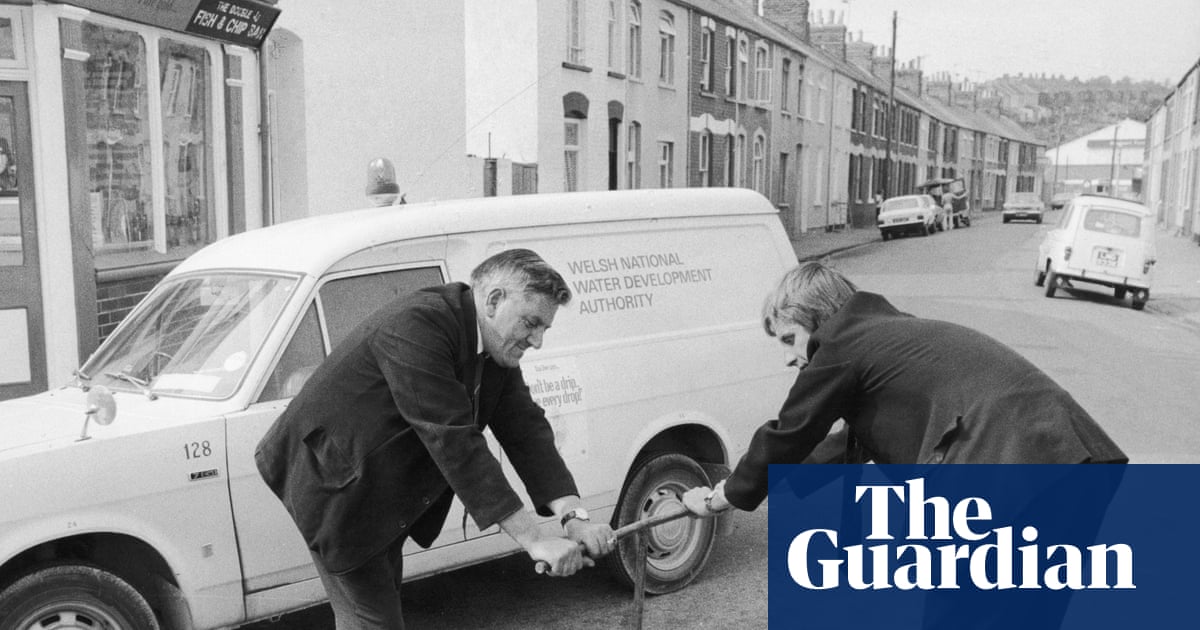
The weather in April 1976 was unusually pleasant. The Easter weekend, which fell in the middle of the month, coincided with a warm spell as an area of high pressure drifted towards the UK. Conditions in Scotland were unsettled but the rest of the country enjoyed sunshine and highs of 21C.
There was very little rainfall in what is traditionally a showery month, with Plymouth receiving a record low of just 4mm. The 12-month period to April 1976 was the driest ever recorded.
The warm, dry conditions were a foretaste of things to come. The summer of 76 was almost unbelievably hot. Grass parched and turned brown, tarmac softened and roads and runways developed ridges and cracked. Railway tracks buckled as the steel rails expanded.
The lack of rain became serious, with a prolonged drought resulting in water rationing. In some places, standpipes in the streets replaced the domestic water supply, and water use restrictions forced some schools and business to close.
In April, though, everybody expected that normal rain would resume shortly. The warm weather was seen as a bonus rather than an ominous sign of the scorching conditions ahead.
