
LIVE NEWS
  • Someone just added rollback netcode to an N64 emulator, making GoldenEye actually playable online
  • UK-registered firms linked to payments for small-boat crossings, BBC finds
  • This metal detector for $60 off on Amazon is a smart buy – here’s why I recommend it
  • Ancient lost ocean may have built Central Asia’s dinosaur-era mountains
  • Venezuela says it deported a close ally of Maduro to face criminal proceedings in US
  • U.K. advocacy groups threaten legal action over provision in U.S. pharma deal
  • Samsung 990 Pro gets discount of over $200 from recent highs — grab the 2TB model for $429.99
  • Nikkei 225, Hang Seng Index, Kospi, Nifty 50
Prime Reports
  • Home
  • Popular Now
  • Crypto
  • Cybersecurity
  • Economy
  • Geopolitics
  • Global Markets
  • Politics
  • See More
    • Artificial Intelligence
    • Climate Risks
    • Defense
    • Healthcare Innovation
    • Science
    • Technology
    • World
Prime Reports
  • Home
  • Popular Now
  • Crypto
  • Cybersecurity
  • Economy
  • Geopolitics
  • Global Markets
  • Politics
  • Artificial Intelligence
  • Climate Risks
  • Defense
  • Healthcare Innovation
  • Science
  • Technology
  • World
Home»World»Ancient lost ocean may have built Central Asia’s dinosaur-era mountains
World

Ancient lost ocean may have built Central Asia’s dinosaur-era mountains

primereportsBy primereportsMay 18, 2026No Comments3 Mins Read
Share Facebook Twitter Pinterest LinkedIn Tumblr Reddit Telegram Email
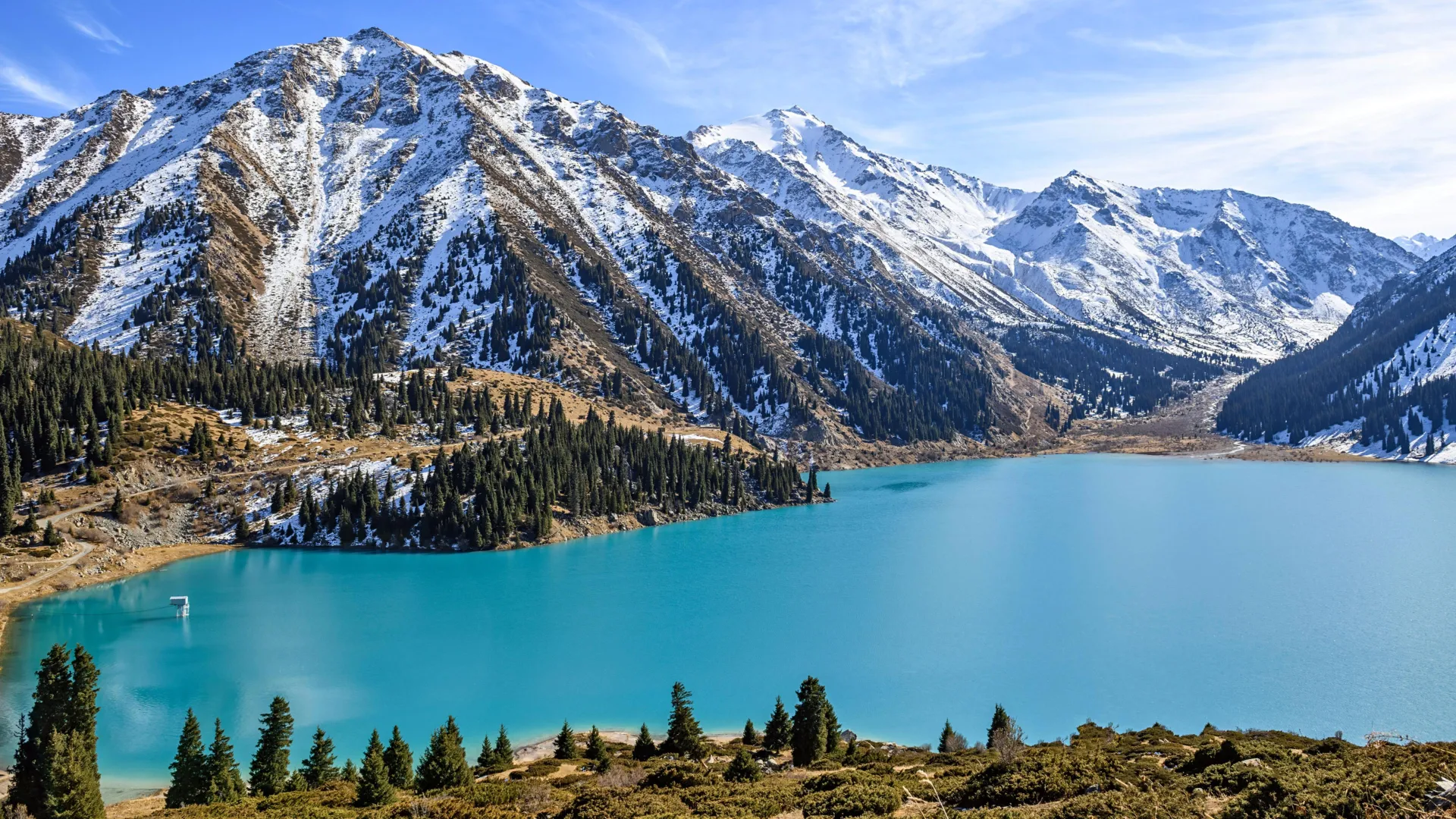
Ancient lost ocean may have built Central Asia’s dinosaur-era mountains
Share
Facebook Twitter LinkedIn Pinterest Email


A new study from Adelaide University suggests that the ancient Tethys Ocean played a major role in shaping Central Asia’s landscape during the Cretaceous period, long before the rise of the Himalayas.

The research team reached this conclusion through a large-scale data analysis that combined hundreds of thermal history models collected from more than 30 years of geological studies across Central Asia.

Scientists have often linked the region’s landscape to a combination of tectonic activity, climate changes, and processes deep within Earth’s mantle over the past 250 million years. However, the new findings point to a different dominant force.

“We found that climate change and mantle processes had only little influence on the Central Asian landscape, which persisted in an arid climate for much of the last 250 million years,” said Dr. Sam Boone, who was a post-doctoral researcher at Adelaide University when the research was conducted.

“Instead, the dynamics of the distant Tethys Ocean can directly be correlated with short-lived periods of mountain building in Central Asia.”

How a Lost Ocean Influenced Mountain Building

The Tethys Ocean once stretched across a vast area of the planet before gradually disappearing during the Meso-Cenozoic period, which covers the last 250 million years. Today, the Mediterranean Sea is considered the final remnant of that ancient ocean.

“The present-day relief of Central Asia was largely built by the India-Eurasia collision and ongoing convergence,” said co-author Associate Professor Stijn Glorie, from Adelaide University’s School of Physics, Chemistry and Earth Sciences.

“However, during the Cretaceous periods, dinosaurs would have seen a mountainous landscape as well, similar to the present-day Basin-and-Range Province in the western USA.

“It is thought that the extension in the Tethys, due to roll-back of subducting slabs of ocean crust, reactivated old suture zones into a series of roughly parallel ridges in Central Asia, up to thousands of kilometers away from the Himalaya collision zone.”

According to the researchers, geological activity connected to the ancient ocean may have triggered mountain formation far from the actual plate boundaries.

Thermal History Models Reveal Earth’s Past

The study relied on thermal history models, which help scientists trace how rocks cooled as they moved closer to Earth’s surface during periods of mountain uplift and erosion.

“These models were constructed using thermochronology methods and reveal how rocks cooled down when they are brought towards the surface during mountain uplift and subsequent erosion,” Associate Professor Glorie said.

“We analyzed a compilation of thermal history models in function of plate-tectonic models for the Tethys Ocean evolution, as well as deep-time precipitation and mantle-convection models.”

By combining these datasets, the team was able to reconstruct previously hidden chapters of Earth’s geological history.

Applying the Research Beyond Central Asia

Associate Professor Glorie said the same research method could help scientists investigate other geological mysteries around the world. The study was published in Nature Communications Earth and Environment.

“There are many parts on the planet where the drivers and timing for mountain building and/or rifting are poorly understood. For example, closer to home, the break-up history of Australia from Antarctica is somewhat enigmatic,” he said.

“Australia drifted away about 80 million years ago, but there is no obvious imprint of this in the thermal history record of either the Antarctic or Australian plate margins. Instead, they record much older cooling histories.

“We are applying the same approach as used in Central Asia to advance understanding of Australia-Antarctica break-up.”

Share. Facebook Twitter Pinterest LinkedIn Tumblr Email
Previous ArticleVenezuela says it deported a close ally of Maduro to face criminal proceedings in US
Next Article This metal detector for $60 off on Amazon is a smart buy – here’s why I recommend it
primereports
  • Website

Related Posts

World

Subsidence more than doubles sea-level rise today along densely populated coasts

May 18, 2026
World

What motivated Chinese-born Uyghers to fight in Syria's civil war

May 17, 2026
World

Venezuela Extradites Billionaire Tycoon Alex Saab to U.S.

May 17, 2026
Add A Comment
Leave A Reply Cancel Reply

Top Posts

Global Resources Outlook 2024 | UNEP

December 6, 20258 Views

The D Brief: DHS shutdown likely; US troops leave al-Tanf; CNO’s plea to industry; Crowded robot-boat market; And a bit more.

February 14, 20265 Views

German Chancellor Merz faces difficult mission to Israel – DW – 12/06/2025

December 6, 20254 Views
Stay In Touch
  • Facebook
  • YouTube
  • TikTok
  • WhatsApp
  • Twitter
  • Instagram
Latest Reviews

Subscribe to Updates

Get the latest tech news from FooBar about tech, design and biz.

PrimeReports.org
Independent global news, analysis & insights.

PrimeReports.org brings you in-depth coverage of geopolitics, markets, technology and risk – with context that helps you understand what really matters.

Editorially independent · Opinions are those of the authors and not investment advice.
Facebook X (Twitter) LinkedIn YouTube
Key Sections
  • World
  • Geopolitics
  • Popular Now
  • Artificial Intelligence
  • Cybersecurity
  • Crypto
All Categories
  • Artificial Intelligence
  • Climate Risks
  • Crypto
  • Cybersecurity
  • Defense
  • Economy
  • Geopolitics
  • Global Markets
  • Healthcare Innovation
  • Politics
  • Popular Now
  • Science
  • Technology
  • World
  • About Us
  • Contact Us
  • Privacy Policy
  • Terms & Conditions
  • Disclaimer
  • Cookie Policy
  • DMCA / Copyright Notice
  • Editorial Policy

Sign up for Prime Reports Briefing – essential stories and analysis in your inbox.

By subscribing you agree to our Privacy Policy. You can opt out anytime.
Latest Stories
  • Someone just added rollback netcode to an N64 emulator, making GoldenEye actually playable online
  • UK-registered firms linked to payments for small-boat crossings, BBC finds
  • This metal detector for $60 off on Amazon is a smart buy – here’s why I recommend it
© 2026 PrimeReports.org. All rights reserved.
Privacy Terms Contact

Type above and press Enter to search. Press Esc to cancel.