
LIVE NEWS
  • Royal Navy helicopter crashes into field
  • Why I’m sticking with Firefox as my browser – after years of using Chrome, Edge, and Safari
  • A hidden pollutant is changing how the world’s forests breathe
  • US announces new tariffs over forced labour concerns
  • A single protein may be holding back CAR T cancer therapy
  • Factorial raises $150M at a $2.5bn valuation, with General Catalyst betting twice
  • Bitcoin hits lowest since February as crypto competes with big IPOs
  • Anthropic IPO filing marks AI maturing into enterprise utility
Prime Reports
  • Home
  • Popular Now
  • Crypto
  • Cybersecurity
  • Economy
  • Geopolitics
  • Global Markets
  • Politics
  • See More
    • Artificial Intelligence
    • Climate Risks
    • Defense
    • Healthcare Innovation
    • Science
    • Technology
    • World
Prime Reports
  • Home
  • Popular Now
  • Crypto
  • Cybersecurity
  • Economy
  • Geopolitics
  • Global Markets
  • Politics
  • Artificial Intelligence
  • Climate Risks
  • Defense
  • Healthcare Innovation
  • Science
  • Technology
  • World
Home»Healthcare Innovation»A single protein may be holding back CAR T cancer therapy
Healthcare Innovation

A single protein may be holding back CAR T cancer therapy

primereportsBy primereportsJune 3, 2026No Comments3 Mins Read
Share Facebook Twitter Pinterest LinkedIn Tumblr Reddit Telegram Email
A single protein may be holding back CAR T cancer therapy
Share
Facebook Twitter LinkedIn Pinterest Email


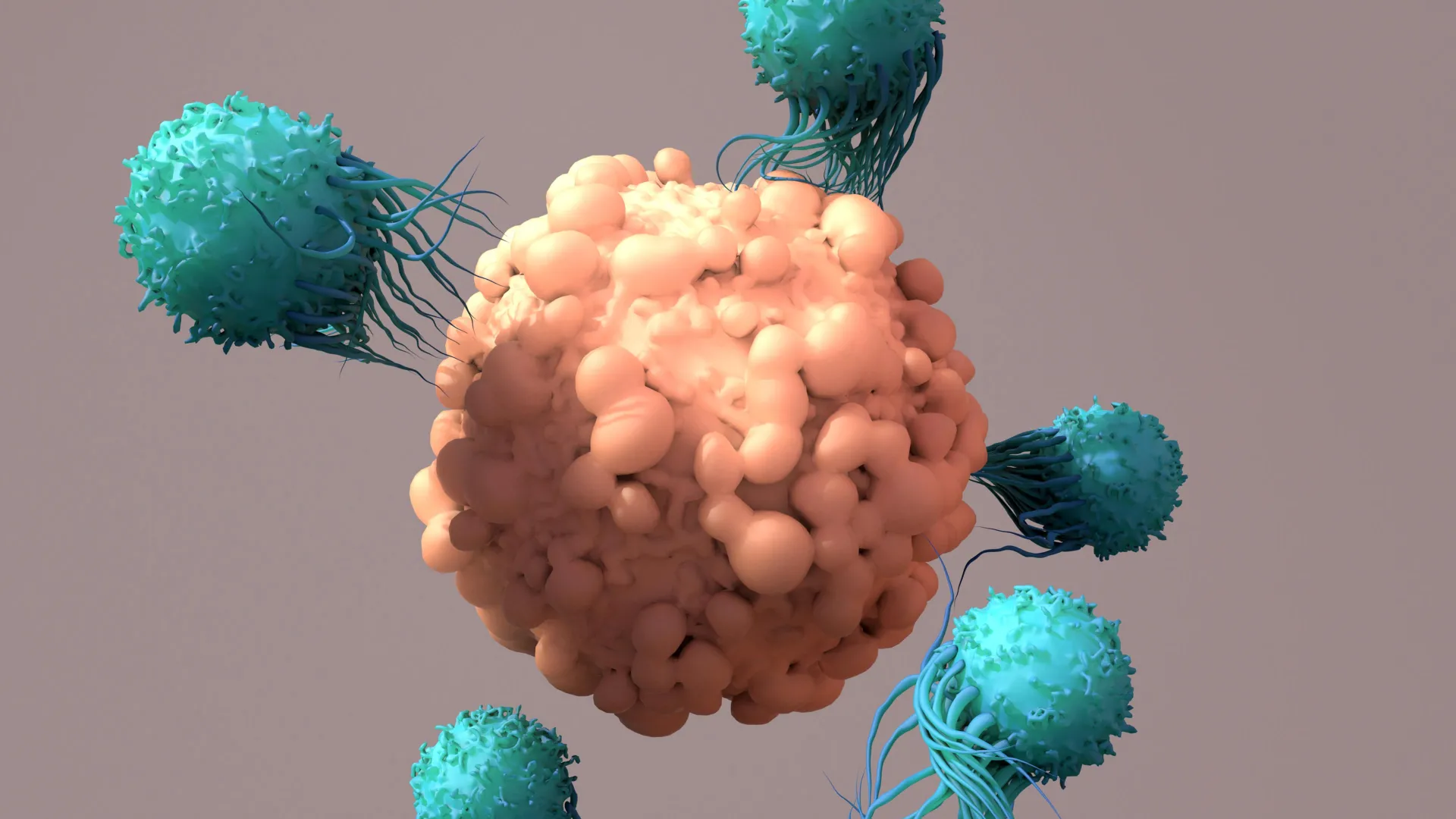
Researchers from Columbia University and University Hospital Tübingen have discovered a protein that appears to play a major role in weakening CAR T cells over time. By disabling the protein, known as NFIL3, the scientists found that these engineered immune cells remained active longer and were better able to attack tumors. The findings, published in Cancer Discovery, could help improve CAR T-cell therapy, particularly against solid tumors that have proven difficult to treat.

CAR T-cell therapy is one of the most advanced forms of personalized cancer treatment. The approach involves collecting a patient’s own immune cells, genetically modifying them to recognize cancer, and then returning them to the body to seek out and destroy tumor cells.

The therapy has produced remarkable results for some blood cancers. However, it has been far less successful against solid tumors. An international team led by Prof. Michel Sadelain, MD, PhD, of Columbia University, working with Prof. Judith Feucht, MD, of University Hospital Tübingen, set out to better understand why. Sadelain is widely recognized as one of the pioneers of CAR T-cell therapy and has played a key role in its development and clinical use.

NFIL3 Linked to CAR T-Cell Exhaustion

To identify factors that limit CAR T-cell performance, the researchers conducted a large-scale analysis of roughly 400 transcription factors, proteins that control which genes are switched on or off inside cells.

Their investigation pointed to NFIL3 as a major contributor to CAR T-cell exhaustion, a process in which the cells gradually lose their ability to function effectively. When the researchers removed NFIL3, the CAR T cells stayed active for longer periods, multiplied more efficiently, and maintained stronger anti-tumor effects.

The team used CRISPR/Cas9 gene-editing technology to disable the gene responsible for producing NFIL3. Often described as genetic scissors, CRISPR allows scientists to precisely cut and modify DNA.

“Switching off NFIL3 could be a decisive step toward significantly improving the long-term potency of CAR T cells,” explains Prof. Feucht.

Stronger Tumor Control in Animal Studies

The benefits of removing NFIL3 were demonstrated across several mouse models. CAR T cells lacking the protein were more effective at controlling tumors and helped extend survival.

The results suggest a possible path toward improving treatment for cancers that currently respond poorly to CAR T-cell therapy, particularly solid tumors.

“Our goal is to improve the effectiveness of CAR T cells in solid tumors as well,” says Celina May, co-first author of the study and a member of Prof. Feucht’s research group. “We expect this to open up new possibilities in the treatment of cancer patients,” adds Feucht.

Bridging Laboratory Research and Patient Care

Prof. Feucht combines cancer research with hands-on clinical care. She conducts research within Germany’s only Cluster of Excellence in oncology, iFIT (Image Guided and Functionally Instructed Tumor Therapies), while also treating children and adolescents at the Department of Pediatrics at University Hospital Tübingen.

Her work follows the “bench-to-bedside” approach, which focuses on translating scientific discoveries into treatments that can directly benefit patients.

Although additional research will be needed before this strategy can be tested and used in people, the findings provide encouraging evidence that targeting NFIL3 could strengthen CAR T-cell therapy and potentially expand its usefulness against a wider range of cancers.

Share. Facebook Twitter Pinterest LinkedIn Tumblr Email
Previous ArticleFactorial raises $150M at a $2.5bn valuation, with General Catalyst betting twice
Next Article US announces new tariffs over forced labour concerns
primereports
  • Website

Related Posts

Healthcare Innovation

Healthcare Supply Chain Volatility & Strategic Planning

June 3, 2026
Healthcare Innovation

Longevity startup NewLimit raises $435 million for new clinical trials

June 3, 2026
Healthcare Innovation

This common amino acid helped mice survive deadly inflammation

June 2, 2026
Add A Comment
Leave A Reply Cancel Reply

Top Posts

Paxton’s win over Cornyn sets up high-stakes Texas clash with Talarico

May 28, 202616 Views

Global Resources Outlook 2024 | UNEP

December 6, 202510 Views

Texas Democrat Talarico claims voting laws are rigged ahead of Paxton race

May 28, 20269 Views
Stay In Touch
  • Facebook
  • YouTube
  • TikTok
  • WhatsApp
  • Twitter
  • Instagram
Latest Reviews

Subscribe to Updates

Get the latest tech news from FooBar about tech, design and biz.

PrimeReports.org
Independent global news, analysis & insights.

PrimeReports.org brings you in-depth coverage of geopolitics, markets, technology and risk – with context that helps you understand what really matters.

Editorially independent · Opinions are those of the authors and not investment advice.
Facebook X (Twitter) LinkedIn YouTube
Key Sections
  • World
  • Geopolitics
  • Popular Now
  • Artificial Intelligence
  • Cybersecurity
  • Crypto
All Categories
  • Artificial Intelligence
  • Climate Risks
  • Crypto
  • Cybersecurity
  • Defense
  • Economy
  • Geopolitics
  • Global Markets
  • Healthcare Innovation
  • Politics
  • Popular Now
  • Science
  • Technology
  • World
  • About Us
  • Contact Us
  • Privacy Policy
  • Terms & Conditions
  • Disclaimer
  • Cookie Policy
  • DMCA / Copyright Notice
  • Editorial Policy

Sign up for Prime Reports Briefing – essential stories and analysis in your inbox.

By subscribing you agree to our Privacy Policy. You can opt out anytime.
Latest Stories
  • Royal Navy helicopter crashes into field
  • Why I’m sticking with Firefox as my browser – after years of using Chrome, Edge, and Safari
  • A hidden pollutant is changing how the world’s forests breathe
© 2026 PrimeReports.org. All rights reserved.
Privacy Terms Contact

Type above and press Enter to search. Press Esc to cancel.