
LIVE NEWS
  • Dutch far-right party pays damages to court artist after changing image with AI | Netherlands
  • Smarter Summer Vacations: The Best AI Travel Gadgets to Pack This Year
  • European, island states seek clear future for global roadmap to cut fossil fuels
  • Trump privacy restrictions may reduce Census Bureau data : NPR
  • Can fasting fight gum disease? Scientists find surprising link
  • 5 Raspberry Pi projects I’m self-hosting this year instead of wasting money on monthly subscriptions
  • Women’s T20 World Cup: Danni Wyatt-Hodge on scoring ‘mummy’ hundred
  • Google unveils DiffusionGemma, an AI model that breaks free of left-to-right processing
Prime Reports
  • Home
  • Popular Now
  • Crypto
  • Cybersecurity
  • Economy
  • Geopolitics
  • Global Markets
  • Politics
  • See More
    • Artificial Intelligence
    • Climate Risks
    • Defense
    • Healthcare Innovation
    • Science
    • Technology
    • World
Prime Reports
  • Home
  • Popular Now
  • Crypto
  • Cybersecurity
  • Economy
  • Geopolitics
  • Global Markets
  • Politics
  • Artificial Intelligence
  • Climate Risks
  • Defense
  • Healthcare Innovation
  • Science
  • Technology
  • World
Home»Geopolitics»As aircraft losses mount, Pentagon wants a software fix to see through the fog of war
Geopolitics

As aircraft losses mount, Pentagon wants a software fix to see through the fog of war

primereportsBy primereportsApril 7, 2026No Comments3 Mins Read
Share Facebook Twitter Pinterest LinkedIn Tumblr Reddit Telegram Email
As aircraft losses mount, Pentagon wants a software fix to see through the fog of war
Share
Facebook Twitter LinkedIn Pinterest Email


The U.S. planes that have gone down in the Middle East since the launch of Operation Epic Fury all lacked the same thing: a common operating picture that includes relevant intelligence and data. The Defense Innovation Unit announced Monday it’s looking for a fix. 

The request: an open-architecture software suite to fuse real-time data into a credible picture of moving objects, threats, and conditions. The idea is to give pilots a broader understanding of reality in a way that is unremarkable to American motorists with easy access to data about ever-changing conditions but aspirational for air crews flying planes outfitted with antique computer hardware.

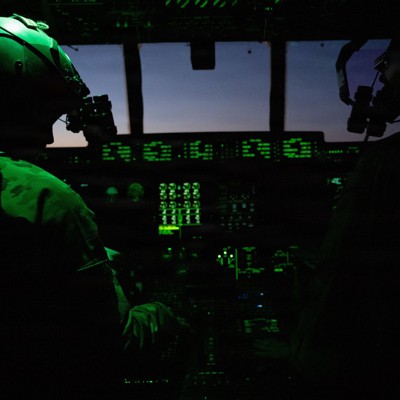
U.S. Air Force officials have warned of a lack of a common operating picture among airframes, particularly transport planes like C-130s, for years. But the loss of seven aircraft in just over a month, due mostly to communication errors and friendly fire, has exposed a big gap in how U.S. planes communicate with one another and with ground forces.

At the outset of the war on Iran, the U.S. lost three F-15E Strike Eagles due to Kuwaiti friendly fire. In March, they lost a KC-130 refueling tanker when it was involved in a mid-air mishap with a second tanker, due in part to a transponder failure but, again, pointing to a gap in the planes’ ability to fuse data to identify one another.

During the rescue effort that followed an Iranian shootdown of an F-15E Strike Eagle and an A-10 Thunderbolt on April 3, the U.S. destroyed two MC-130J transport planes when the planes were unable to take off from their makeshift runway, U.S. President Donald Trump said in a press conference on Monday.

“It was sandy, wet sand, so we thought there may a problem taking off because of the weight of the plane… And then we also had all the men jumping back onto the planes, and they got pretty well bogged down.”

It’s the sort of problem that access to real-time data on terrain, weather, and other factors could have solved. But most older transport planes lack up-to-date maps or terrain data, forcing crews to “rely heavily on pre-mission planning products, voice updates, and aging platform-specific displays,” according to DIU’s ask.

Because computer hardware varies widely throughout the U.S. aircraft fleet, the Air Force and aircrews frequently use workarounds such as software-defined radios or off-the-shelf communications equipment to get the data they need. But there is no common standard, which makes it difficult for aircrews to know what data they need.

“This problem is especially relevant for large, high-value airlift and tanker aircraft that utilize avionics and mission systems that are optimized for more permissive operations,” according to the announcement for DIU’s “Open Mission Engine” program. The new effort seeks software that can combine all the relevant friend, foe, intelligence, and logistics data into one place in real time, not afterward.

While the solicitation doesn’t mention Operation Epic Fury by name, the rising number of U.S. military aircraft mishaps shows how urgently the U.S. military needs a way to better let planes communicate with each other.

Among the features that DIU wants the new software “engine” to have is a “moving map” application that “uses relevant operational data into a single aircrew display, including blue-force awareness, threat and airspace overlays, mission updates, and route decision support.”


Share. Facebook Twitter Pinterest LinkedIn Tumblr Email
Previous ArticleThe big state gamble on prediction markets
Next Article Gas prices are high. How can you cut fuel costs? : NPR
primereports
  • Website

Related Posts

Geopolitics

For Netanyahu, Reelection Could Hinge on Iran War Outcome

June 12, 2026
Geopolitics

Federal judge extends court-ordered block on Trump’s $1.8bn anti-weaponization fund – US politics live | US Congress

June 12, 2026
Geopolitics

Three things to know about SpaceX’s stock market debut

June 12, 2026
Add A Comment
Leave A Reply Cancel Reply

Top Posts

Paxton’s win over Cornyn sets up high-stakes Texas clash with Talarico

May 28, 202616 Views

Global Resources Outlook 2024 | UNEP

December 6, 202510 Views

Texas Democrat Talarico claims voting laws are rigged ahead of Paxton race

May 28, 20269 Views
Stay In Touch
  • Facebook
  • YouTube
  • TikTok
  • WhatsApp
  • Twitter
  • Instagram
Latest Reviews

Subscribe to Updates

Get the latest tech news from FooBar about tech, design and biz.

PrimeReports.org
Independent global news, analysis & insights.

PrimeReports.org brings you in-depth coverage of geopolitics, markets, technology and risk – with context that helps you understand what really matters.

Editorially independent · Opinions are those of the authors and not investment advice.
Facebook X (Twitter) LinkedIn YouTube
Key Sections
  • World
  • Geopolitics
  • Popular Now
  • Artificial Intelligence
  • Cybersecurity
  • Crypto
All Categories
  • Artificial Intelligence
  • Climate Risks
  • Crypto
  • Cybersecurity
  • Defense
  • Economy
  • Geopolitics
  • Global Markets
  • Healthcare Innovation
  • Politics
  • Popular Now
  • Science
  • Technology
  • World
  • About Us
  • Contact Us
  • Privacy Policy
  • Terms & Conditions
  • Disclaimer
  • Cookie Policy
  • DMCA / Copyright Notice
  • Editorial Policy

Sign up for Prime Reports Briefing – essential stories and analysis in your inbox.

By subscribing you agree to our Privacy Policy. You can opt out anytime.
Latest Stories
  • Dutch far-right party pays damages to court artist after changing image with AI | Netherlands
  • Smarter Summer Vacations: The Best AI Travel Gadgets to Pack This Year
  • European, island states seek clear future for global roadmap to cut fossil fuels
© 2026 PrimeReports.org. All rights reserved.
Privacy Terms Contact

Type above and press Enter to search. Press Esc to cancel.