
LIVE NEWS
  • Unemployment for post-9/11 veterans climbs in June as nation’s job market slides
  • British swallowtail split from European cousins much earlier than thought, study finds | Butterflies
  • Where Iran stands on the memorandum it signed with the U.S
  • Bitcoin to $53K? Exchange Deposits Jump as Analysts Warn of Increased Volatility
  • U.S. Government Entity Paid Kairos $1 Million in Data-Theft Extortion Case
  • 2026 FIFA World Cup boosts prediction market volumes
  • Inside ‘Chinese Dreamcore,’ Where Gen Z Relives a Brighter Past
  • Ukraine Paying Big for Foreign Fighters, Longer Contracts Could Help
Prime Reports
  • Home
  • Popular Now
  • Crypto
  • Cybersecurity
  • Economy
  • Geopolitics
  • Global Markets
  • Politics
  • See More
    • Artificial Intelligence
    • Climate Risks
    • Defense
    • Healthcare Innovation
    • Science
    • Technology
    • World
Prime Reports
  • Home
  • Popular Now
  • Crypto
  • Cybersecurity
  • Economy
  • Geopolitics
  • Global Markets
  • Politics
  • Artificial Intelligence
  • Climate Risks
  • Defense
  • Healthcare Innovation
  • Science
  • Technology
  • World
Home»Science»British swallowtail split from European cousins much earlier than thought, study finds | Butterflies
Science

British swallowtail split from European cousins much earlier than thought, study finds | Butterflies

primereportsBy primereportsJuly 5, 2026No Comments4 Mins Read
Share Facebook Twitter Pinterest LinkedIn Tumblr Reddit Telegram Email
British swallowtail split from European cousins much earlier than thought, study finds | Butterflies
Share
Facebook Twitter LinkedIn Pinterest Email


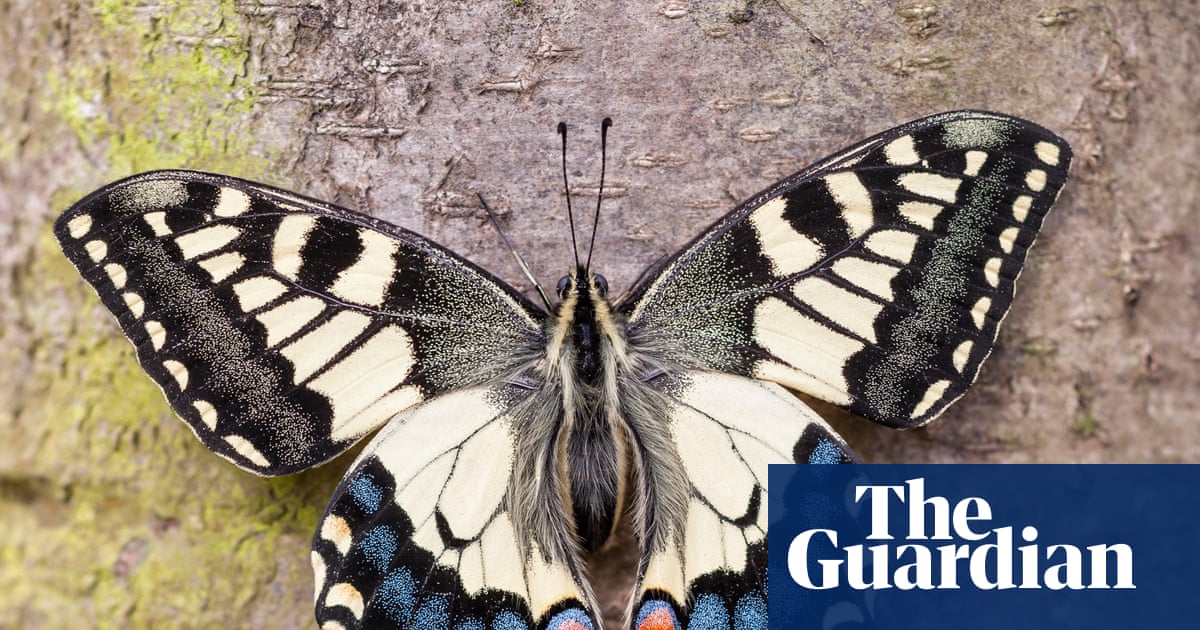
The endangered swallowtail butterfly Papilio machaon britannicus, which is only regularly found breeding in Britain on the Norfolk Broads, has been a distinct subspecies for at least 200,000 years, according to a study.

Smaller, darker in colour and much rarer than the continental swallowtail, britannicus was previously considered to have developed its distinctive form during its confinement in the wetlands of eastern England over the last 8,000 years, after the flooding of Doggerland.

But the new genetic study suggests britannicus is a wetland specialist and may have once occurred much more widely in north European wetlands, separating from its continental cousins between 200,000 and 1.7m years ago.

The whole-genome sequencing of swallowtail populations across Europe, published in Insect Conservation and Diversity, found some evidence of inbreeding in britannicus but concluded that its surviving populations were not suffering from damaging mutations.

The study is likely to transform conservation approaches to the swallowtail in Britain. Some butterfly experts have recently argued that the continental swallowtail, Papilio machaon gorganus, which is much more common because its caterpillars feed on a variety of plants including fennel and wild carrot, could be introduced into Britain and become much more widespread, potentially hybridising the “less successful” britannicus out of existence.

But Mark Collins, the president of the Swallowtail and Birdwing Butterfly Trust and a co-author of the paper, said the genetic distinctiveness of britannicus made it worthy of a renewed conservation effort. Britannicus is found nowhere else in Europe and is vulnerable to extinction because global heating is causing rising sea levels that threaten its freshwater wetland habitats.

“We’re looking at a relict population in the Norfolk Broads that’s not just a relict for Britain but a relict from a once much wider distribution in wetlands across Europe,” Collins said. “Britannicus is part of our own natural heritage, it’s protected by law for good reason because it’s a unique thing, and we should not allow it to be wiped out.”

Papilio machaon britannicus feeding on thistle flower. Photograph: Kevin Elsby/Alamy

In the wild, the caterpillars of britannicus will only reliably eat a rare wetland plant, milk parsley, which is the reason the butterfly is so scarce in Britain.

Both plant and butterfly are threatened by rising seas causing the salination of the Norfolk Broads, England’s largest freshwater wetland. With most of Britain’s breeding populations living at or below sea level, and salty water rapidly killing milk parsley, the species will need to be translocated to new wetland sites protected from rising seas in the longer term.

Meanwhile, global heating is enabling the continental swallowtail to more regularly reach Britain. It is regularly seen in Kent and Sussex and often successfully breeds in these counties during fine summers.

While some lepidopterists believe it is inevitable that the continental subspecies will eventually meet britannicus and hybridise it out of existence, Collins said britannicus would survive in wetlands if given a helping hand.

“There’s every chance that the specialist wetland subspecies could survive into the future with the general swallowtail species, gorganus, flying around the wider countryside,” he said. “Hybridisation may occur on the fringes but britannicus could endure if we preserve our wetlands.

“We know now we are dealing with a distinctive butterfly that must be conserved. We need to urgently identify the best sites to make sure we can grow milk parsley there and introduce the butterfly and it will thrive, whether that’s Lakenheath in Suffolk, Shapwick in Somerset or sites in Yorkshire. That’s a project we have in our sights.”

  • Nominations are now open for the Guardian’s 2026 invertebrate of the year competition. What spineless wonder do you want to nominate from the 1.3m species out there? A fen raft spider? A tongue-biting louse? Click here to make your nomination before midnight on Monday 13 July.

Share. Facebook Twitter Pinterest LinkedIn Tumblr Email
Previous ArticleWhere Iran stands on the memorandum it signed with the U.S
Next Article Unemployment for post-9/11 veterans climbs in June as nation’s job market slides
primereports
  • Website

Related Posts

Science

UK weather: Temperatures forecast to exceed 30C as another heatwave is imminent

July 4, 2026
Science

‘Hobbit’ hominins scavenged meat left over by Komodo dragons

July 4, 2026
Science

‘Next-door neighbor’ exoplanet has a much higher chance of harboring alien life than previously thought

July 4, 2026
Add A Comment
Leave A Reply Cancel Reply

Top Posts

Paxton’s win over Cornyn sets up high-stakes Texas clash with Talarico

May 28, 202616 Views

Global Resources Outlook 2024 | UNEP

December 6, 202510 Views

Texas Democrat Talarico claims voting laws are rigged ahead of Paxton race

May 28, 20269 Views
Stay In Touch
  • Facebook
  • YouTube
  • TikTok
  • WhatsApp
  • Twitter
  • Instagram
Latest Reviews

Subscribe to Updates

Get the latest tech news from FooBar about tech, design and biz.

PrimeReports.org
Independent global news, analysis & insights.

PrimeReports.org brings you in-depth coverage of geopolitics, markets, technology and risk – with context that helps you understand what really matters.

Editorially independent · Opinions are those of the authors and not investment advice.
Facebook X (Twitter) LinkedIn YouTube
Key Sections
  • World
  • Geopolitics
  • Popular Now
  • Artificial Intelligence
  • Cybersecurity
  • Crypto
All Categories
  • Artificial Intelligence
  • Climate Risks
  • Crypto
  • Cybersecurity
  • Defense
  • Economy
  • Geopolitics
  • Global Markets
  • Healthcare Innovation
  • Politics
  • Popular Now
  • Science
  • Technology
  • World
  • About Us
  • Contact Us
  • Privacy Policy
  • Terms & Conditions
  • Disclaimer
  • Cookie Policy
  • DMCA / Copyright Notice
  • Editorial Policy

Sign up for Prime Reports Briefing – essential stories and analysis in your inbox.

By subscribing you agree to our Privacy Policy. You can opt out anytime.
Latest Stories
  • Unemployment for post-9/11 veterans climbs in June as nation’s job market slides
  • British swallowtail split from European cousins much earlier than thought, study finds | Butterflies
  • Where Iran stands on the memorandum it signed with the U.S
© 2026 PrimeReports.org. All rights reserved.
Privacy Terms Contact

Type above and press Enter to search. Press Esc to cancel.