

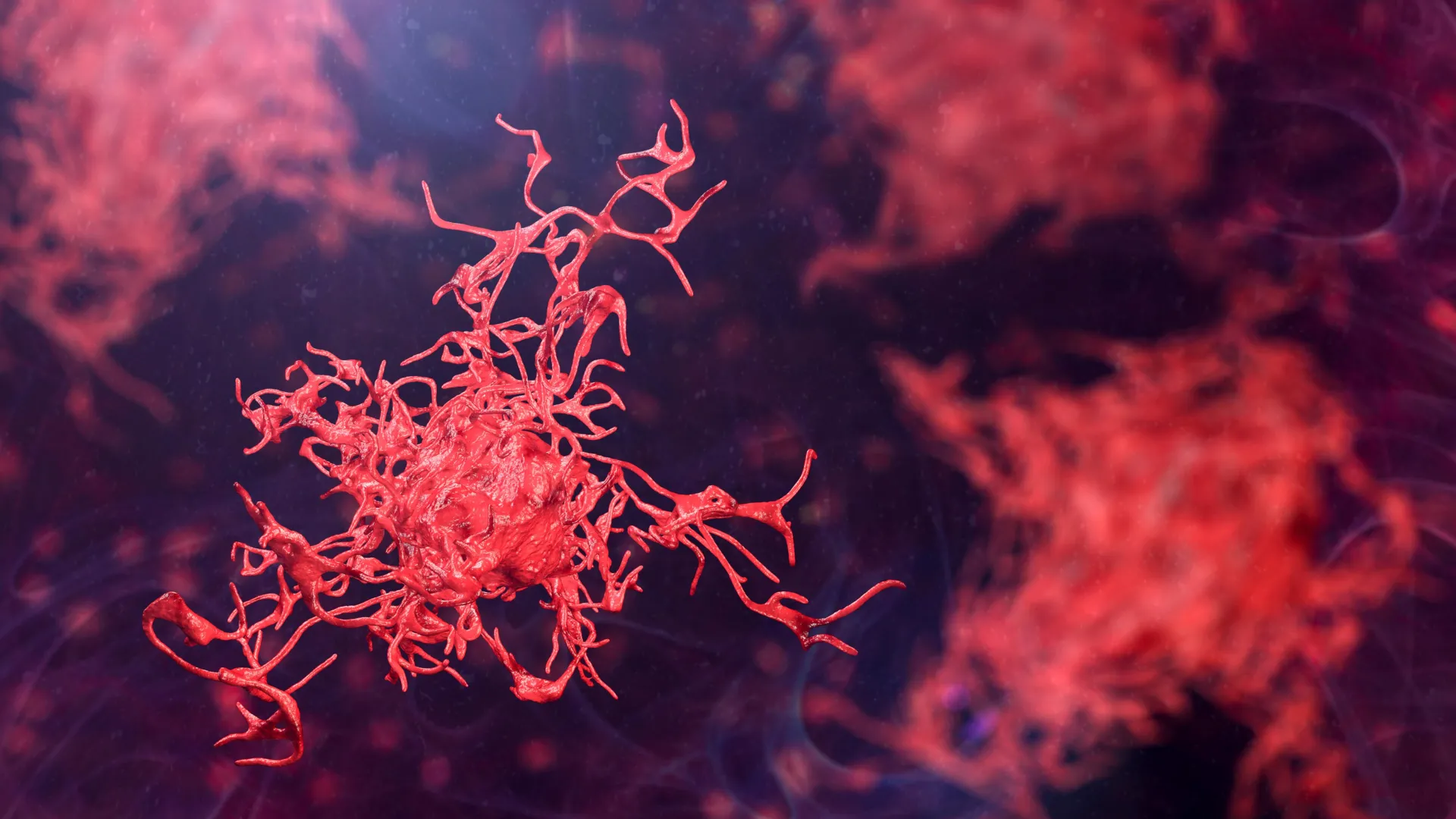
A team of environmental and public health scientists is raising concerns about a largely overlooked group of microscopic organisms that may pose a growing danger worldwide: free living amoebae. In a recent perspective article published in Biocontaminant, researchers explain that these tiny life forms are becoming an emerging global health risk. Their spread is being driven by rising temperatures, aging water infrastructure, and limited systems for detecting and tracking them.
Although most people have never heard of free living amoebae, scientists say they deserve far more attention.
What Are Free Living Amoebae
Amoebae are single celled organisms that live naturally in soil, freshwater, and even some man made water systems. They move and feed by extending parts of their cell body, a process that gives them their distinctive shape.
Most amoebae are harmless and play a role in natural ecosystems. However, a small number of species can infect humans and cause severe illness. These infections are rare, but when they do occur, they can be extremely serious.
One of the most well known examples is Naegleria fowleri (often called the brain eating amoeba). This organism can enter the body when contaminated water goes up the nose, such as during swimming in warm lakes or poorly treated water. Once inside, it can travel to the brain and cause a fast moving infection that is almost always fatal.
Why These Microbes Are So Hard to Eliminate
Scientists say one of the most concerning features of these amoebae is their ability to survive harsh conditions that would normally kill other microorganisms.
“What makes these organisms particularly dangerous is their ability to survive conditions that kill many other microbes,” said corresponding author Longfei Shu of Sun Yat sen University. “They can tolerate high temperatures, strong disinfectants like chlorine, and even live inside water distribution systems that people assume are safe.”
This resilience means that standard water treatment methods may not always be enough to eliminate them, especially in older or poorly maintained systems.
The Hidden Role of Amoebae in Spreading Other Pathogens
The risks go beyond the amoebae themselves. Researchers highlight that these organisms can act as protective hosts for other harmful microbes, including bacteria and viruses.
Inside the amoeba, these pathogens can survive in a kind of safe shelter, shielded from disinfectants that would normally destroy them. This process is often described as a so called Trojan horse effect. It allows dangerous microbes to persist in drinking water systems and potentially spread more easily.
Scientists are also concerned that this protective environment could help promote antibiotic resistance, making infections harder to treat over time.
Climate Change Is Expanding Their Reach
Rising global temperatures are expected to make the problem worse. Many of these amoebae thrive in warm conditions, so as water temperatures increase, they are likely to expand into new regions where they were once uncommon.
In recent years, several outbreaks linked to recreational water use have already heightened public concern in different parts of the world. These incidents suggest that the risk is no longer limited to a few isolated areas.
Calls for Better Monitoring and Safer Water Systems
To address the growing threat, researchers are calling for a broader, more coordinated response. They recommend a One Health approach, which brings together experts in human health, environmental science, and water management to tackle the issue from multiple angles.
Improving surveillance systems is a key priority, along with developing faster and more accurate diagnostic tools. The team also emphasizes the need for advanced water treatment technologies that can better target these resilient organisms before they pose a risk to the public.
A Problem That Crosses Boundaries
“Amoebae are not just a medical issue or an environmental issue,” Shu said. “They sit at the intersection of both, and addressing them requires integrated solutions that protect public health at its source.”
As scientists continue to learn more about these microscopic organisms, one message is becoming clear: something largely invisible to the naked eye could have a much bigger impact on global health than previously thought.
