
LIVE NEWS
  • Shots fired at US consulate in Toronto for a second time this year
  • Momentum Building or Pullback Ahead?
  • Public Exploit Released for Patched vBulletin Pre-Auth Code Execution Flaw
  • CME launches single stock futures enabling investors to trade SpaceX, Micron and others 23 hours a day
  • ‘Why Isn’t Dad at Home?’: The Books Helping Ukrainian Children Process the War
  • Stock Market Midday, July 27: Dow Edges Higher as Nvidia Drop Weighs on Nasdaq
  • Space Force Wants Commercial Bandwidth for SATCOM Experiments
  • ‘We were forced to say, Feynman and followers, you guys are off’: Physicists disprove decades-old Richard Feynman theory on ‘silly’ sprinklers
Prime Reports
  • Home
  • Popular Now
  • Crypto
  • Cybersecurity
  • Economy
  • Geopolitics
  • Global Markets
  • Politics
  • See More
    • Artificial Intelligence
    • Climate Risks
    • Defense
    • Healthcare Innovation
    • Science
    • Technology
    • World
Prime Reports
  • Home
  • Popular Now
  • Crypto
  • Cybersecurity
  • Economy
  • Geopolitics
  • Global Markets
  • Politics
  • Artificial Intelligence
  • Climate Risks
  • Defense
  • Healthcare Innovation
  • Science
  • Technology
  • World
Home»Defense»Space Force Wants Commercial Bandwidth for SATCOM Experiments
Defense

Space Force Wants Commercial Bandwidth for SATCOM Experiments

primereportsBy primereportsJuly 27, 2026No Comments3 Mins Read
Share Facebook Twitter Pinterest LinkedIn Tumblr Reddit Telegram Email
Space Force Wants Commercial Bandwidth for SATCOM Experiments
Share
Facebook Twitter LinkedIn Pinterest Email


Audio of this article is brought to you by the Air & Space Forces Association, honoring and supporting our Airmen, Guardians, and their families. Find out more at afa.org

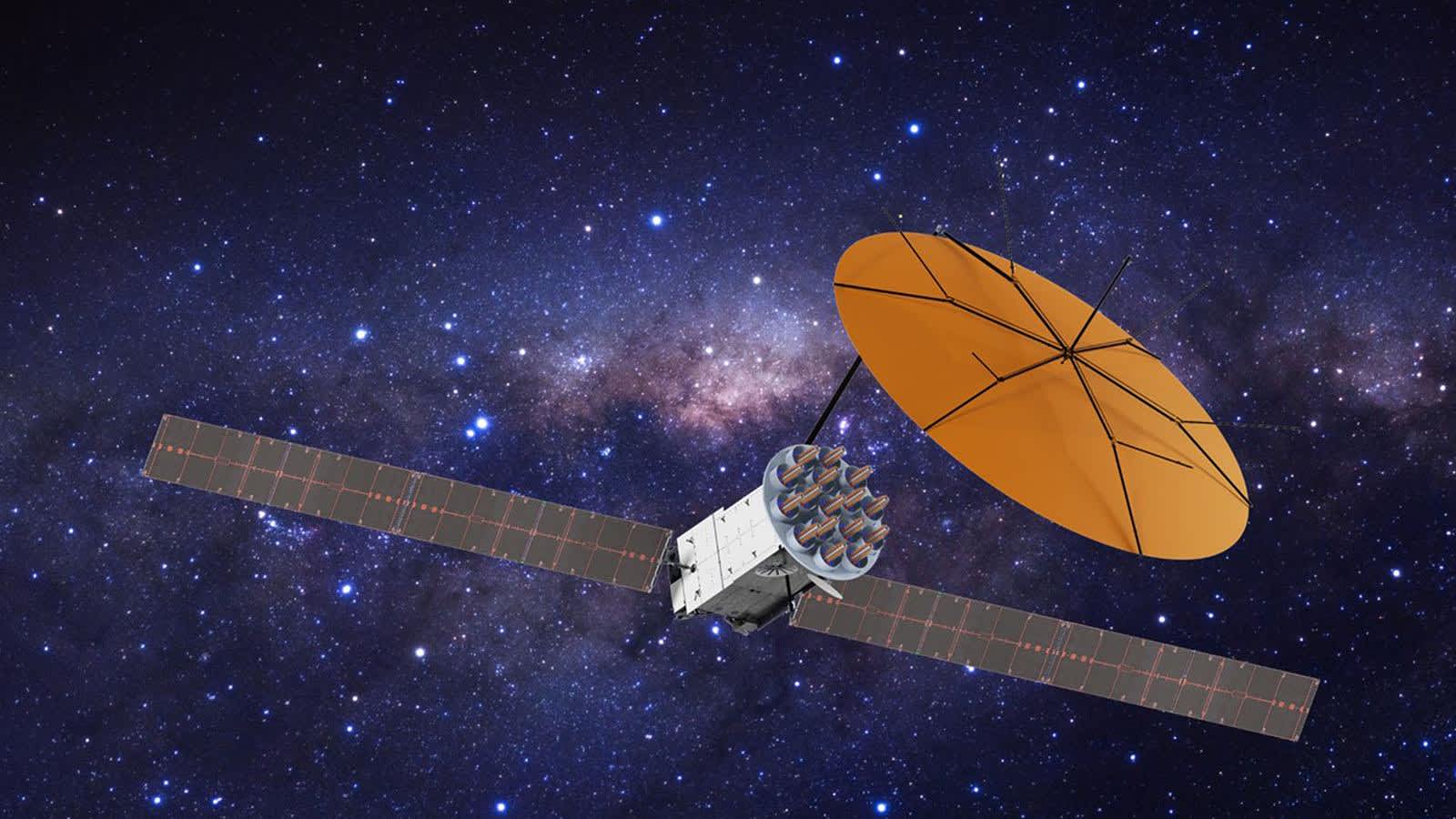
The Space Force is moving forward with a series of experiments to test ideas for broadening its narrowband satellite communication mission to medium-Earth orbit, and a new notice to industry seeks commercial satellites to help demonstrate the viability of a future hybrid architecture. 

In a July 24 Space Systems Command notice, the Space Force says it’s interested in using bandwidth from commercially owned and operated narrowband satellites, payloads, or communication links in MEO to use in upcoming experiments. The notice doesn’t provide a timeline for those efforts but makes clear that it is interested in capability that’s available “immediately or as soon as possible.” 

“An Initial Launch Capability (ILC) by 2030 is potentially useful, but innovative approaches leading to earlier on-orbit capability are strongly desired,” the notice states. “The government recognizes that this initial prototype may not be fully representative of a final, future architecture, but rather represents an initial step to explore providing UHF services from MEO.”

The experimentation campaign will help the Space Force demonstrate interoperability between commercial satellites in MEO and existing government spacecraft in geosynchronous orbit. It could also inform a plan to either augment or replace those GEO satellites with a proliferated MEO constellation. Space Systems Command states in the notice that it may require access to the capability for at least three years. 

The Space Force currently relies on its Mobile User Objective System constellation for narrowband, or ultra high frequency, communications. The fleet of four satellites—plus one on-orbit spare—in geosynchronous orbit provides secure tactical communications capabilities. While UHF bands have limited bandwidth, they’re less vulnerable to weather, can operate through challenging terrain, and have better range and a stronger signal. They’re also harder to jam. 

In late June, the Space Force awarded Boeing a $2 billion contract to build two more MUOS satellites that will serve as a bridge between today’s constellation and the service’s future narrowband architecture, which will likely include a mix of spacecraft in GEO and MEO. In a 2024 request for information, the service said it was also exploring concepts for a proliferated MEO constellation consisting of lower-cost satellites.

The Space Force is in the midst of crafting its strategy for that future architecture, according to Charlotte Gerhart, deputy portfolio acquisition executive for satellite communications and positioning, navigation, and timing. Gerhart said in a recent interview with Air & Space Forces Magazine the service is exploring a range of options as it crafts that vision.

“We’ll continue to watch and be aware of how industry and that commercial business case is adapting overall,” she said, noting that SSC is still defining its next steps and acquisition strategy. 

According to fiscal 2027 budget documents, the Space Force plans to launch a prototype as soon as fiscal ‘30. In the coming year, it will start working on both the ground and space segment prototypes and begin buying long-lead parts for the communication payload and the MEO satellites, the documents state.

Audio of this article is brought to you by the Air & Space Forces Association, honoring and supporting our Airmen, Guardians, and their families. Find out more at afa.org

Share. Facebook Twitter Pinterest LinkedIn Tumblr Email
Previous Article‘We were forced to say, Feynman and followers, you guys are off’: Physicists disprove decades-old Richard Feynman theory on ‘silly’ sprinklers
Next Article Stock Market Midday, July 27: Dow Edges Higher as Nvidia Drop Weighs on Nasdaq
primereports
  • Website

Related Posts

Defense

Pentagon nominates Lt. Gen. Admiral to command US Army Europe and Africa

July 27, 2026
Defense

From steppe to sea, a Ukrainian drone unit hunts Russian ships

July 26, 2026
Defense

Iran says Ukrainian attack on vessel in Caspian Sea killed sailor

July 26, 2026
Add A Comment
Leave A Reply Cancel Reply

Top Posts

Paxton’s win over Cornyn sets up high-stakes Texas clash with Talarico

May 28, 202616 Views

Global Resources Outlook 2024 | UNEP

December 6, 202510 Views

Texas Democrat Talarico claims voting laws are rigged ahead of Paxton race

May 28, 20269 Views
Stay In Touch
  • Facebook
  • YouTube
  • TikTok
  • WhatsApp
  • Twitter
  • Instagram
Latest Reviews

Subscribe to Updates

Get the latest tech news from FooBar about tech, design and biz.

PrimeReports.org
Independent global news, analysis & insights.

PrimeReports.org brings you in-depth coverage of geopolitics, markets, technology and risk – with context that helps you understand what really matters.

Editorially independent · Opinions are those of the authors and not investment advice.
Facebook X (Twitter) LinkedIn YouTube
Key Sections
  • World
  • Geopolitics
  • Popular Now
  • Cybersecurity
  • Crypto
  • Artificial Intelligence
All Categories
  • Artificial Intelligence
  • Climate Risks
  • Crypto
  • Cybersecurity
  • Defense
  • Economy
  • Geopolitics
  • Global Markets
  • Healthcare Innovation
  • Politics
  • Popular Now
  • Science
  • Technology
  • World
  • About Us
  • Contact Us
  • Privacy Policy
  • Terms & Conditions
  • Disclaimer
  • Cookie Policy
  • DMCA / Copyright Notice
  • Editorial Policy

Sign up for Prime Reports Briefing – essential stories and analysis in your inbox.

By subscribing you agree to our Privacy Policy. You can opt out anytime.
Latest Stories
  • Shots fired at US consulate in Toronto for a second time this year
  • Momentum Building or Pullback Ahead?
  • Public Exploit Released for Patched vBulletin Pre-Auth Code Execution Flaw
© 2026 PrimeReports.org. All rights reserved.
Privacy Terms Contact

Type above and press Enter to search. Press Esc to cancel.