
LIVE NEWS
  • AI costs how much? GitHub Copilot users react to new usage-based pricing system.
  • European Parliament committee votes to scrap US tariffs
  • Hints and Solutions for June 2
  • It has the highest levels of toxic Pfas in drinking water in Scotland. But how did this remote island become awash with forever chemicals? | Pfas
  • For veterans, a place where peace can take root : NPR
  • This common amino acid helped mice survive deadly inflammation
  • Apple Will Reportedly Add Bill-Splitting Feature to iOS 27
  • Opinion | Putin Has No Good Way Out of His War
Prime Reports
  • Home
  • Popular Now
  • Crypto
  • Cybersecurity
  • Economy
  • Geopolitics
  • Global Markets
  • Politics
  • See More
    • Artificial Intelligence
    • Climate Risks
    • Defense
    • Healthcare Innovation
    • Science
    • Technology
    • World
Prime Reports
  • Home
  • Popular Now
  • Crypto
  • Cybersecurity
  • Economy
  • Geopolitics
  • Global Markets
  • Politics
  • Artificial Intelligence
  • Climate Risks
  • Defense
  • Healthcare Innovation
  • Science
  • Technology
  • World
Home»Science»Wildfire season is shifting, but its new time windows vary across Canada and the US drought-prone West
Science

Wildfire season is shifting, but its new time windows vary across Canada and the US drought-prone West

primereportsBy primereportsMarch 9, 2026No Comments3 Mins Read
Share Facebook Twitter Pinterest LinkedIn Tumblr Reddit Telegram Email
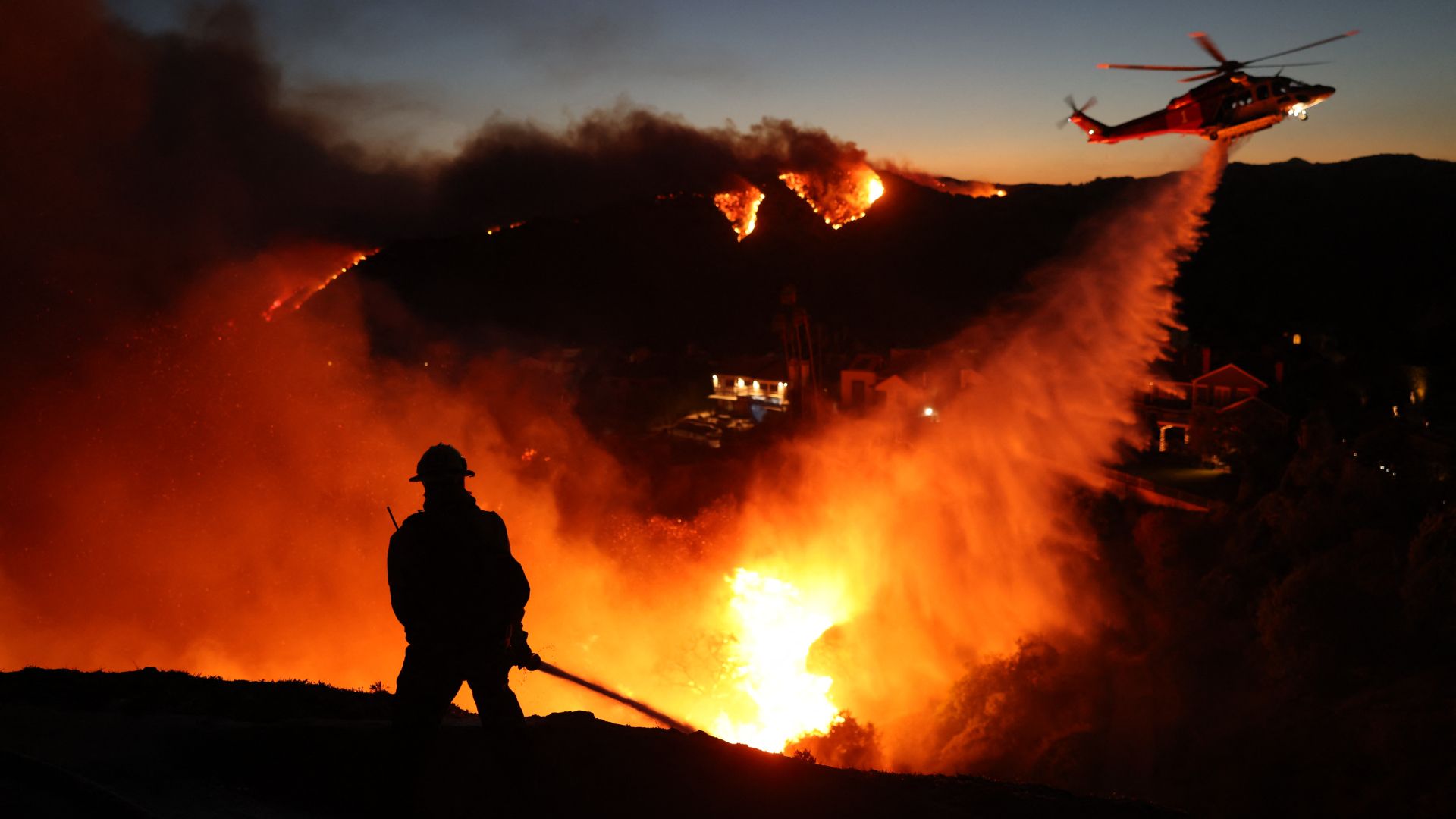
Wildfire season is shifting, but its new time windows vary across Canada and the US drought-prone West
Share
Facebook Twitter LinkedIn Pinterest Email


Climate change is shifting wildfire seasons in North America, but the direction of the shift depends on the regional ecosystem, a new study shows.

The fire season in the northern boreal forests of Alaska and Canada have shifted forward, on average; prairie regions have seen little change; and the fire season in the arid West and California has extended further into late fall and winter. The findings were published Feb. 24 in the journal Geophysical Research Letters.

“It’s very region-specific,” said Hongliang Zhang, an environmental scientist at Fudan University in China. Understanding these specific shifts are important for managing wildfires and preparing resources for the worst parts of the fire season, Zhang told Live Science. Seasonal patterns are also important for predicting the health impacts of wildfire smoke, which can be severe.

Article continues below


You may like

Zhang and his colleagues used data on burn area in North America from 2001 to 2020 taken from the Moderate Resolution Imaging Spectroradiometer (MODIS) instrument on NASA‘s Aqua and Terra satellites. They also gathered data on meteorological variables, vegetation, lightning potential and other environmental factors at the time of the fires.

They found that the boreal forest, or taiga, of Canada, Alaska and the Great Lakes region is seeing earlier fires. This is due to earlier snowmelt, and thus earlier dryness of fuels. Canada experienced its worst wildfire season in 2023 and its second-worst just two years later.

The warm desert Southwest and the Mediterranean-like climate region of California saw a lengthening of the fire season, with more fires burning after the traditional high-risk window.

Prairies and grasslands experienced slight changes in fire season intensity and minimal change in seasonal timing. The Appalachians and Southeastern forests also saw little in the way of seasonal shifts.

Get the world’s most fascinating discoveries delivered straight to your inbox.

The researchers also modeled future scenarios. Under a high-emissions climate change scenario, they found, the fire season in boreal forests will shift forward by about a week, while California’s annual fire season could extend more than a month later than the current June-to-October window. The desert Southwest could see a similar stretching of the fire season, the researchers wrote.

This model will be useful for more detailed study, Zhang said. He and his team plan to use it to study the impacts of other factors, such as vegetation change and human activities. (According to the National Park Service, 85% of wildland fires in the U.S. are caused by human acts, such as arson or failing to extinguish a campfire correctly.) The model is also useful for predicting the pollution and carbon emissions from these fires, Zhang said.

“That model is really good at predicting wildfire,” he said. “So now we want to predict the emissions of wildfire to the atmosphere.”

Share. Facebook Twitter Pinterest LinkedIn Tumblr Email
Previous ArticleIndia offered sanctuary to Iranian ship three days before US sank it
Next Article Anthropic sues Trump administration seeking to undo ‘supply chain risk’ designation
primereports
  • Website

Related Posts

Science

‘Transformative’ pancreatic cancer drug doubles survival time

June 1, 2026
Science

Heading a soccer ball just once is enough to raise levels of proteins associated with brain damage

June 1, 2026
Science

A new pancreatic cancer pill may be a game changer for patients

June 1, 2026
Add A Comment
Leave A Reply Cancel Reply

Top Posts

Paxton’s win over Cornyn sets up high-stakes Texas clash with Talarico

May 28, 202616 Views

Global Resources Outlook 2024 | UNEP

December 6, 202510 Views

Texas Democrat Talarico claims voting laws are rigged ahead of Paxton race

May 28, 20269 Views
Stay In Touch
  • Facebook
  • YouTube
  • TikTok
  • WhatsApp
  • Twitter
  • Instagram
Latest Reviews

Subscribe to Updates

Get the latest tech news from FooBar about tech, design and biz.

PrimeReports.org
Independent global news, analysis & insights.

PrimeReports.org brings you in-depth coverage of geopolitics, markets, technology and risk – with context that helps you understand what really matters.

Editorially independent · Opinions are those of the authors and not investment advice.
Facebook X (Twitter) LinkedIn YouTube
Key Sections
  • World
  • Geopolitics
  • Popular Now
  • Artificial Intelligence
  • Cybersecurity
  • Crypto
All Categories
  • Artificial Intelligence
  • Climate Risks
  • Crypto
  • Cybersecurity
  • Defense
  • Economy
  • Geopolitics
  • Global Markets
  • Healthcare Innovation
  • Politics
  • Popular Now
  • Science
  • Technology
  • World
  • About Us
  • Contact Us
  • Privacy Policy
  • Terms & Conditions
  • Disclaimer
  • Cookie Policy
  • DMCA / Copyright Notice
  • Editorial Policy

Sign up for Prime Reports Briefing – essential stories and analysis in your inbox.

By subscribing you agree to our Privacy Policy. You can opt out anytime.
Latest Stories
  • AI costs how much? GitHub Copilot users react to new usage-based pricing system.
  • European Parliament committee votes to scrap US tariffs
  • Hints and Solutions for June 2
© 2026 PrimeReports.org. All rights reserved.
Privacy Terms Contact

Type above and press Enter to search. Press Esc to cancel.