

MAFIA ISLAND, Tanzania , May 14 (IPS) – Under the warm waters off Tanzania’s Mafia Island, marine scientist Asha Mgeni hovers above a coral reef she has studied for years. Small fish dart through the currents. To most divers, the reef appears pristine. But Mgeni notices something unusual.
Tucked between coral branches are invasive organisms disrupting the reef’s natural growth and species, which were not there before, she says.
“We know these reefs,” she tells IPS. “When something new appears, it stands out immediately.”
For communities along Tanzania’s coastline, coral reefs are ecological treasures. They cradle fish stocks, soften the blow of crashing waves and support coastal economies increasingly threatened by climate change and environmental degradation.
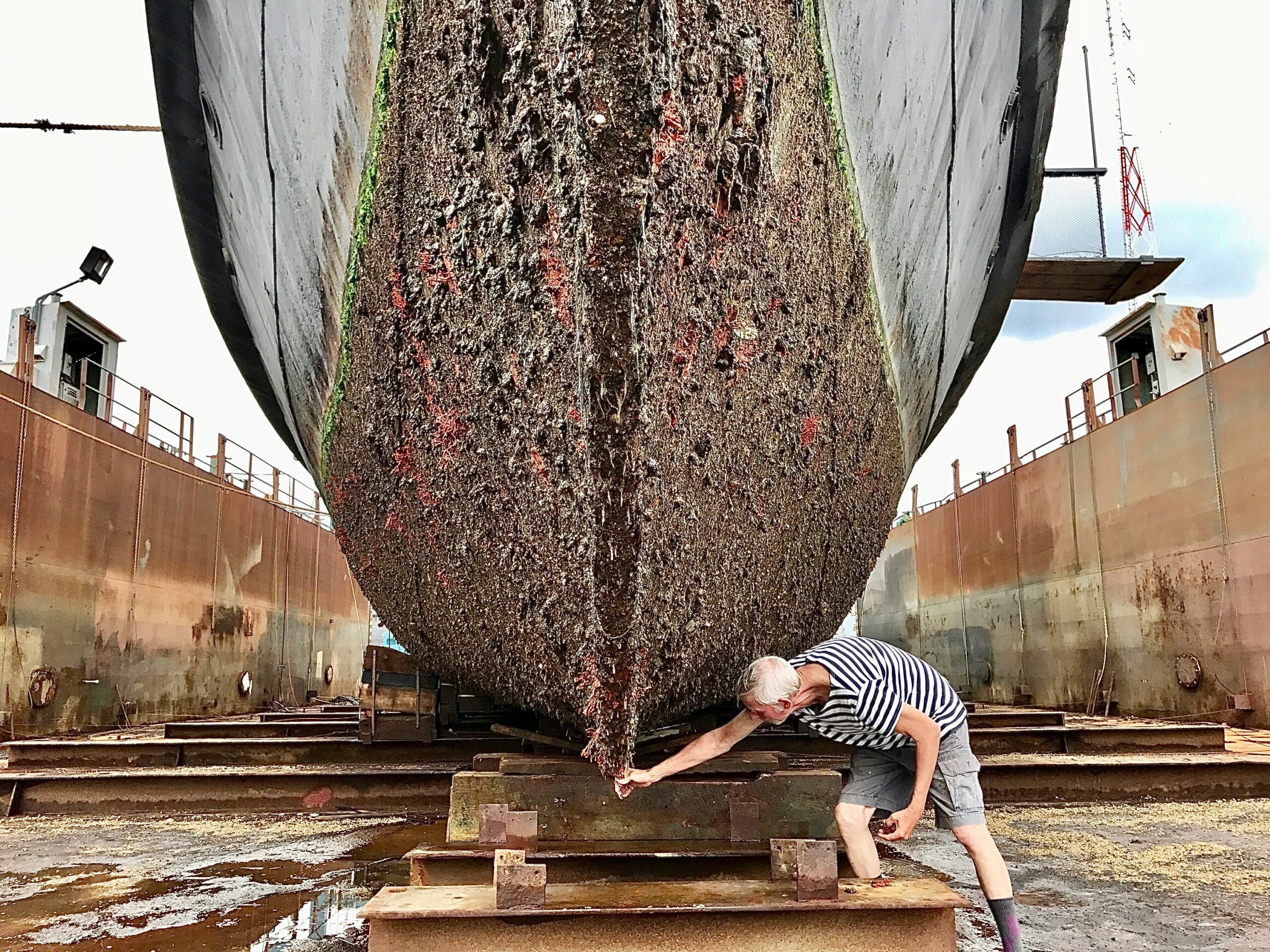
Scientists say one of the biggest hidden threats comes from biofouling — the accumulation of algae, barnacles and microorganisms on ships’ hulls that can transport invasive species across oceans. For decades, ballast water was considered shipping’s main pathway for spreading invasive aquatic species. But maritime experts now say biofouling can no longer be ignored.
“Ballast water has certainly, historically at least, been considered the primary vector for IAS introductions,” says Will Griffiths, Project Technical Analyst at the International Maritime Organization. “However, the role played by biofouling in this regard has become more recognised in recent years, with some studies suggesting that in some locations, such as parts of Hawaii and New Zealand, it may have been the primary vector.”
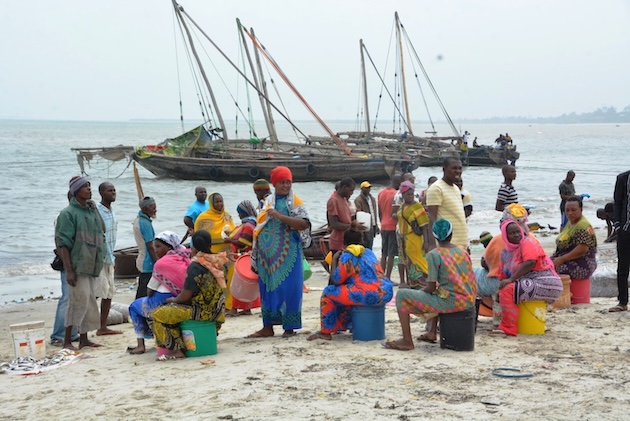
As global shipping expands, marine experts warn that invasive species are spreading through trade routes, disrupting ecosystems and threatening biodiversity. Scientists and regulators say biofouling can transport marine organisms and pathogens across ecosystems, threatening fisheries and coastal economies.
“It is also worth noting that biofouling can represent a great species richness in terms of species transported by ships and also, therefore, potential pathogens,” Griffiths tells IPS.
Mwanahija Shalli, a professor of Marine and Coastal Resources Management at the University of Dar es Salaam, says marine biodiversity underpins livelihoods for millions of coastal residents through fisheries and tourism.
“Invasive aquatic species threaten ecosystems and fisheries by displacing native species,” she says. “If we fail to manage biofouling, we undermine important conservation efforts.”
A broad alliance led by the United Nations Development Programme (UNDP), the Global Environment Facility (GEF) and the International Maritime Organization (IMO) is stepping up efforts to confront a major environmental threat from shipping: the spread of invasive aquatic species through biofouling.
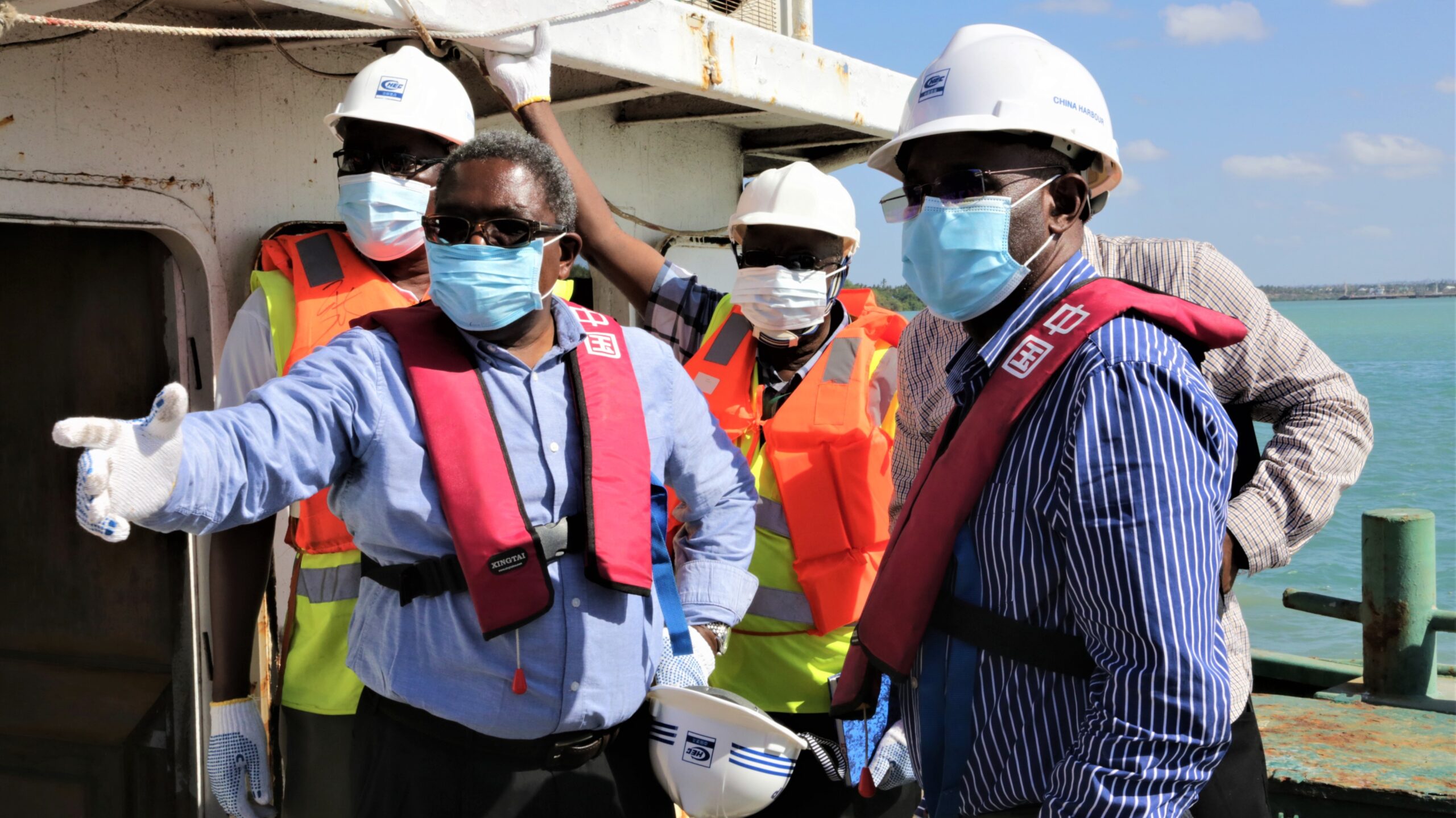
Known as the GloFouling Partnerships Project, the initiative aims to help countries strengthen regulations, improve monitoring systems and build technical capacity to reduce the transfer of invasive species through international shipping. The project supports efforts to meet the United Nations Sustainable Development Goals — particularly the target to conserve and sustainably use oceans, seas and marine resources — while delivering climate benefits through improved vessel efficiency and lower emissions.
Scientists say organisms nestled on ship hulls increase drag, forcing vessels to burn more fuel and produce more emissions.
“Biofouling changes the affected ships’ hydrodynamics and increases drag, meaning there is increased fuel consumption and thus increased greenhouse gas emissions,” Griffiths says. “This can also be a major issue when fouling is on the ship’s propellers, which, due to shape, require specialist cleaning.”
He says biofouling can also interfere with vessel operations.
“There is also some anecdotal evidence to suggest fouling can cause blockages in seawater intakes, affect engine performance and even firefighting systems in extreme cases, which further increases fuel consumption,” he says.
Andrew Hume, Senior Environmental Specialist at the Global Environment Facility, says the initiative builds on earlier international efforts to control invasive species transported through ballast water.
“The GloFouling project builds on a long-standing partnership between the GEF UNDP and the IMO to address shipping impacts on the marine environment,” he says.
According to Hume, the project closes a major gap by targeting hull biofouling, another key pathway for invasive species transfer.
“Keeping ships’ hulls free from just a thin layer of slime could reduce a ship’s greenhouse gas emissions by up to 25 per cent,” Hume says.
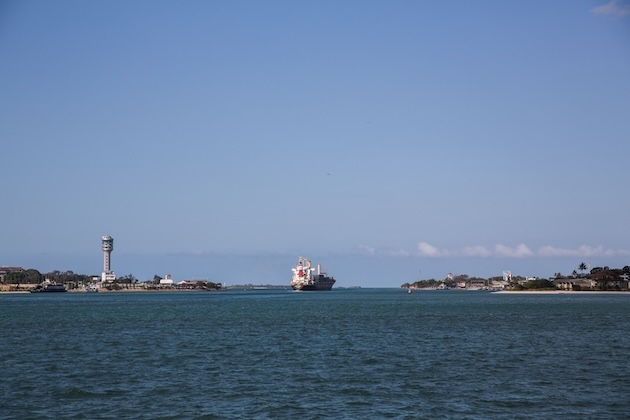
Marine scientists warn that invasive aquatic species can dramatically alter ecosystems, outsmart native organisms and damage fisheries that support coastal livelihoods. The issue is raising international concern as governments struggle to balance burgeoning maritime trade with the protection of ocean ecosystems. Griffiths says the international community has made substantial progress regulating ballast water through the Ballast Water Management Convention, but biofouling controls still lag behind.
“An important aspect to consider is that there is a robust international legal framework for managing ballast water, whereas at the international level biofouling provisions are, for the moment, recommendatory and only a few countries have biofouling regulations,” he explains.
Across East Africa, rising cargo traffic has increased concern about shipping’s ecological footprint. Similar efforts are underway globally. Indonesia estimates improved biofouling management could generate up to USD 7 million annually through healthier reefs, lower fuel consumption and reduced port maintenance costs.
In Peru, authorities are building a national aquatic biodiversity database to help scientists detect invasive species before they spread along the coastline.
“Collaboration in the project enabled the authorities to develop a national aquatic biodiversity catalogue providing the baseline knowledge to detect invasive species early and undertake rapid response,” Griffiths says.
In Fiji, the results are impressive.
“Fiji reported that as a result of the GloFouling dry dock training, they had improved the technical capacity of local personnel and gained access to resources to upgrade local facilities,” Griffiths says, adding that the programme had strengthened confidence among local maritime operators and enhanced Fiji’s position in the regional maritime services market
Meanwhile, Mauritius is encouraging private-sector investment in technologies designed to protect fragile marine ecosystems. Over the past six years, countries participating in the GloFouling initiative have moved toward stricter regulation and greater regional cooperation.
Australia and New Zealand have already introduced fully enforceable national regimes requiring clean hulls, biofouling management plans, record books and inspections consistent with the IMO’s 2023 Biofouling Guidelines. Griffiths says Brazil has emerged as a leader among developing nations.
“Brazil is the newest and most explicit adopter, directly embedding the 2023 guidelines into mandatory port state law,” he says. “Unlike the IMO’s voluntary approach, however, Brazil sets an explicit enforceable standard: vessels must arrive with no more than microfouling.”
The project has also expanded into maritime training and private-sector cooperation. Through the Global Industry Alliance, companies are testing hull coatings and cleaning technologies to limit the spread of invasive species.
“One of the project’s most transformative impacts has been creating a collaborative platform where technology innovators, regulators and industry leaders jointly develop and implement solutions for biofouling,” Griffiths says.
The alliance, initially created to support the project, has since evolved into a permanent collaboration. Griffiths says the group is expanding research into hull inspection technologies and the environmental impacts of antifouling coatings.
“The continuation of the GIA and its ongoing studies offers exceptional value as a driving force for industry innovation, standard-setting and knowledge dissemination,” he says.
Hume says the initiative builds on earlier GEF-supported efforts that led to the International Convention for the Control and Management of Ships’ Ballast Water and Sediments in 2004. He says the programme has since helped develop the IMO’s 2023 Biofouling Guidelines and supported pilot projects in 12 countries.
Hume says the GEF is preparing a second phase of investment aimed at helping more countries implement the IMO’s 2023 Biofouling Guidelines and strengthen international cooperation.
“The objective is to strengthen national and institutional capacity of developing countries to implement the guidelines in order to reduce invasive species and lower greenhouse gas emissions,” he says.
A second phase of investment expected before June aims to strengthen national capacity, expand implementation and advance discussions toward a legally binding global framework on biofouling management. Although the GloFouling project officially concluded in May 2025, Griffiths says efforts are continuing through training programmes, technical studies and industry partnerships designed to maintain momentum ahead of anticipated binding international regulations by 2030.
Experts say cleaner hulls not only reduce the spread of invasive species but also lower fuel consumption and carbon emissions. However, scientists caution that poorly managed hull-cleaning practices can release chemicals and microplastics into marine environments.
Back on Mafia Island, Mgeni says the changes beneath the water are often subtle before they become irreversible.
“Once invasive species establish themselves, it becomes much harder to restore the balance,” she says.
For communities that depend on reefs for food, tourism and protection from storms, the battle against biofouling is becoming a fight to protect the ecosystems and livelihoods that depend on the ocean.
Note:The Eighth Global Environment Facility Assembly will be held from May 30 to June 6, 2026, in Samarkand, Uzbekistan.
This feature is published with the support of the GEF. IPS is solely responsible for the editorial content, and it does not necessarily reflect the views of the GEF.
IPS UN Bureau Report
© Inter Press Service (20260514082915) — All Rights Reserved. Original source: Inter Press Service
