
LIVE NEWS
  • Tehran says ‘progress’ made in talks with US
  • Google and OpenAI are making a run at Claude’s desktop moat, and Anthropic is making it easy
  • DeBriefed 17 April 2026: Fossil-fuel power slumps | ‘Super’ El Niño warning | Afghanistan’s climate struggle
  • Senior official ousted over Peter Mandelson security row to face MPs
  • Scientists say this type of olive oil could boost brain power
  • The Best Smart Home Accessories to Boost Your Curb Appeal (2026)
  • Trinidad and Tobago police uncover 56 bodies, mostly children, at cemetery | Crime News
  • The best TV antennas to buy in 2024
Prime Reports
  • Home
  • Popular Now
  • Crypto
  • Cybersecurity
  • Economy
  • Geopolitics
  • Global Markets
  • Politics
  • See More
    • Artificial Intelligence
    • Climate Risks
    • Defense
    • Healthcare Innovation
    • Science
    • Technology
    • World
Prime Reports
  • Home
  • Popular Now
  • Crypto
  • Cybersecurity
  • Economy
  • Geopolitics
  • Global Markets
  • Politics
  • Artificial Intelligence
  • Climate Risks
  • Defense
  • Healthcare Innovation
  • Science
  • Technology
  • World
Home»Science»Long nails don’t work on touchscreens. An experimental polish could help
Science

Long nails don’t work on touchscreens. An experimental polish could help

primereportsBy primereportsMarch 23, 2026No Comments3 Mins Read
Share Facebook Twitter Pinterest LinkedIn Tumblr Reddit Telegram Email
Long nails don’t work on touchscreens. An experimental polish could help
Share
Facebook Twitter LinkedIn Pinterest Email

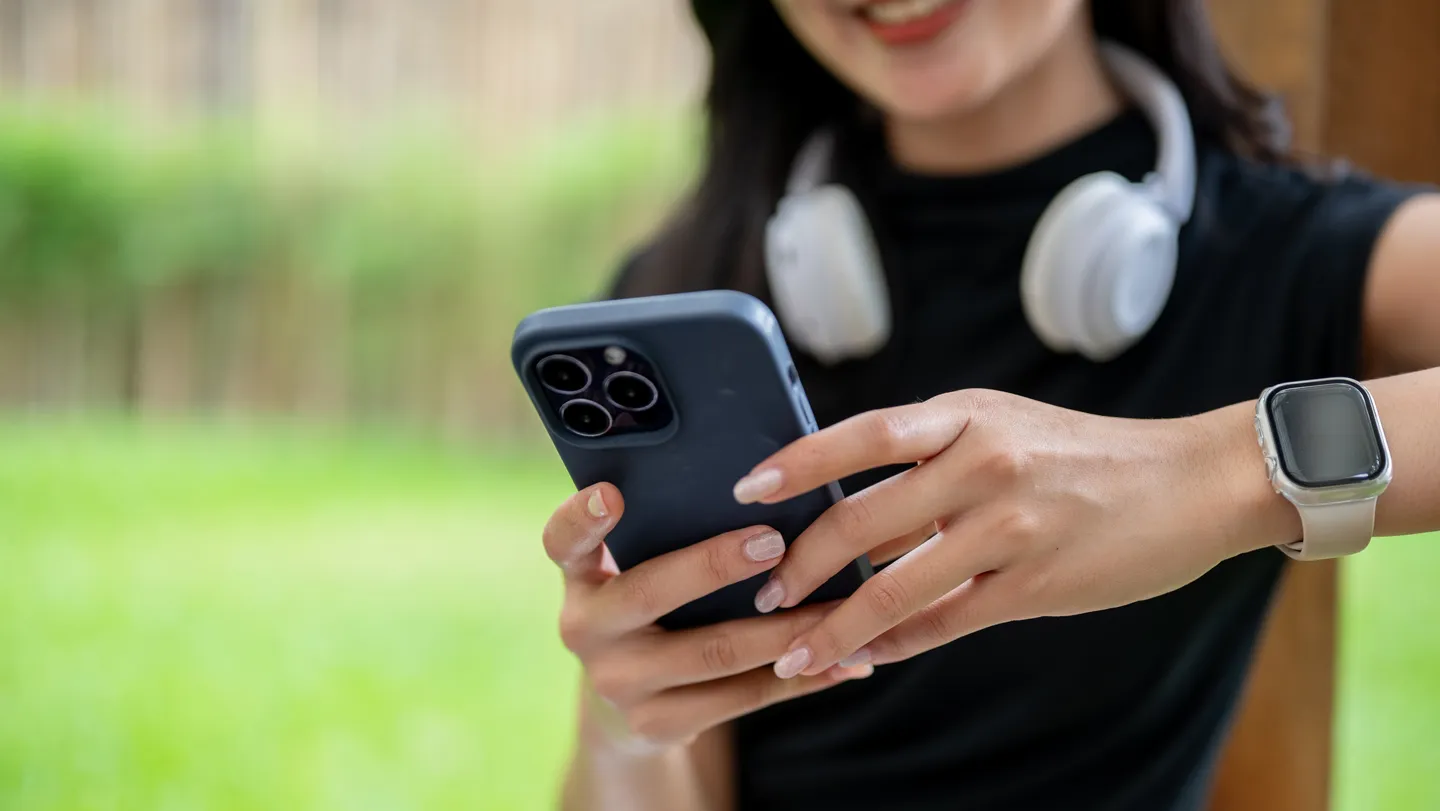
A newly formulated nail polish could one day let people activate touchscreens with their fingernails.

When pressed to a screen, the polish disrupts the screen’s electric field, which the device registers as touch. While the formula isn’t commercially viable yet, it could allow people with long nails to use them like styluses.

“This is huge, because it shows that functional behavior can be embedded invisibly into everyday cosmetic materials,” says Shuyi Sun, a computer scientist who has studied cosmetic biosensors and now works at the Association of California Nurse Leaders in Sacramento.

Sign up for our newsletter

We summarize the week’s scientific breakthroughs every Thursday.

Touchscreens, such as on smartphones and tablets, are typically made of glass coated with a thin, transparent layer of electrically conductive material. That layer creates a small electric field across the screen. When another conductive object, such as a fingertip, contacts the screen, it disturbs the electric field. The device registers that disturbance as a touch and can detect the point on the screen where it occurred.

But nonconductive materials — like a fingernail or the fabric of a glove — don’t distort the field, so they don’t register on the screen. People with long nails must use the pads of their fingers to type because they can’t use their nails.

“It’s really hard to use your phone,” says Manasi Desai, an undergraduate student studying chemistry and biology at Centenary College of Louisiana in Shreveport. Changing which part of the finger people type with can cause typing errors, at least until users adjust to the new angle.

To remedy this common inconvenience, Desai and her research adviser, organometallic chemist Joshua Lawrence, mixed several different additives into commercially available clear nail polish. Two of those additives, ethanolamine and taurine, each resulted in a clear polish formulation that, in a blob held with tweezers, could activate the touchscreen. While ethanolamine has some toxicity, taurine is a common dietary supplement that occurs naturally in the human body.

“One of our major goals was to make it clear and colorless, so that you could apply it over any manicure or even on your bare nails,” Desai says. Desai shared the findings on March 23 at the American Chemical Society’s spring meeting in Atlanta.

The modified nail polish uses acid-base chemistry to activate the touchscreen, the team suspects, though more research is needed to confirm. When in contact with the screen’s electric field, the added molecules probably shuffle protons between themselves, moving just enough charge to affect the field and register as touch.

The lacquer isn’t ready to hit the shelves just yet, Lawrence says. Right now, painting the polish on a fingernail doesn’t leave enough additive behind to activate the screen. In future work, the duo plans to focus on improving the formula’s performance in thin coats on fingernails, possibly by getting more taurine into the polish.


Share. Facebook Twitter Pinterest LinkedIn Tumblr Email
Previous ArticleVOA Kurdish: Syria's interim constitution raises concerns among Kurds, observers
Next Article This missile just proved itself in Iran. The US needs more, ASAP
primereports
  • Website

Related Posts

Science

Electric vehicle owners could earn thousands by supporting power grid

April 18, 2026
Science

700-year-old mummy from Bolivia contains earliest confirmed evidence of strep throat bacteria in the Americas

April 18, 2026
Science

Science behind the scenes

April 18, 2026
Add A Comment
Leave A Reply Cancel Reply

Top Posts

Global Resources Outlook 2024 | UNEP

December 6, 20258 Views

The D Brief: DHS shutdown likely; US troops leave al-Tanf; CNO’s plea to industry; Crowded robot-boat market; And a bit more.

February 14, 20264 Views

German Chancellor Merz faces difficult mission to Israel – DW – 12/06/2025

December 6, 20254 Views
Stay In Touch
  • Facebook
  • YouTube
  • TikTok
  • WhatsApp
  • Twitter
  • Instagram
Latest Reviews

Subscribe to Updates

Get the latest tech news from FooBar about tech, design and biz.

PrimeReports.org
Independent global news, analysis & insights.

PrimeReports.org brings you in-depth coverage of geopolitics, markets, technology and risk – with context that helps you understand what really matters.

Editorially independent · Opinions are those of the authors and not investment advice.
Facebook X (Twitter) LinkedIn YouTube
Key Sections
  • World
  • Geopolitics
  • Popular Now
  • Artificial Intelligence
  • Cybersecurity
  • Crypto
All Categories
  • Artificial Intelligence
  • Climate Risks
  • Crypto
  • Cybersecurity
  • Defense
  • Economy
  • Geopolitics
  • Global Markets
  • Healthcare Innovation
  • Politics
  • Popular Now
  • Science
  • Technology
  • World
  • About Us
  • Contact Us
  • Privacy Policy
  • Terms & Conditions
  • Disclaimer
  • Cookie Policy
  • DMCA / Copyright Notice
  • Editorial Policy

Sign up for Prime Reports Briefing – essential stories and analysis in your inbox.

By subscribing you agree to our Privacy Policy. You can opt out anytime.
Latest Stories
  • Tehran says ‘progress’ made in talks with US
  • Google and OpenAI are making a run at Claude’s desktop moat, and Anthropic is making it easy
  • DeBriefed 17 April 2026: Fossil-fuel power slumps | ‘Super’ El Niño warning | Afghanistan’s climate struggle
© 2026 PrimeReports.org. All rights reserved.
Privacy Terms Contact

Type above and press Enter to search. Press Esc to cancel.