
LIVE NEWS
  • Space Force to Overhaul Key Early Warning, Surveillance Radars
  • The story of the first human tool: the humble container
  • War in Iran; Congress on ICE funding; Hantavirus : NPR
  • Morgan Stanley launches crypto price war on ETrade
  • Google spotted an AI-developed zero-day before attackers could use it
  • MultiBank Group’s crypto arm mb.io brings Ghana gold on-chain with Kings Orbis, EON3 & Mavryk By Chainwire
  • Hundreds displaced, medical services suspended amid gang violence in Haiti | Conflict News
  • US considers suspending fuel tax as Iran war pushes up prices
Prime Reports
  • Home
  • Popular Now
  • Crypto
  • Cybersecurity
  • Economy
  • Geopolitics
  • Global Markets
  • Politics
  • See More
    • Artificial Intelligence
    • Climate Risks
    • Defense
    • Healthcare Innovation
    • Science
    • Technology
    • World
Prime Reports
  • Home
  • Popular Now
  • Crypto
  • Cybersecurity
  • Economy
  • Geopolitics
  • Global Markets
  • Politics
  • Artificial Intelligence
  • Climate Risks
  • Defense
  • Healthcare Innovation
  • Science
  • Technology
  • World
Home»Healthcare Innovation»Scientists reversed liver aging with young gut bacteria in stunning study
Healthcare Innovation

Scientists reversed liver aging with young gut bacteria in stunning study

primereportsBy primereportsMay 10, 2026No Comments3 Mins Read
Share Facebook Twitter Pinterest LinkedIn Tumblr Reddit Telegram Email
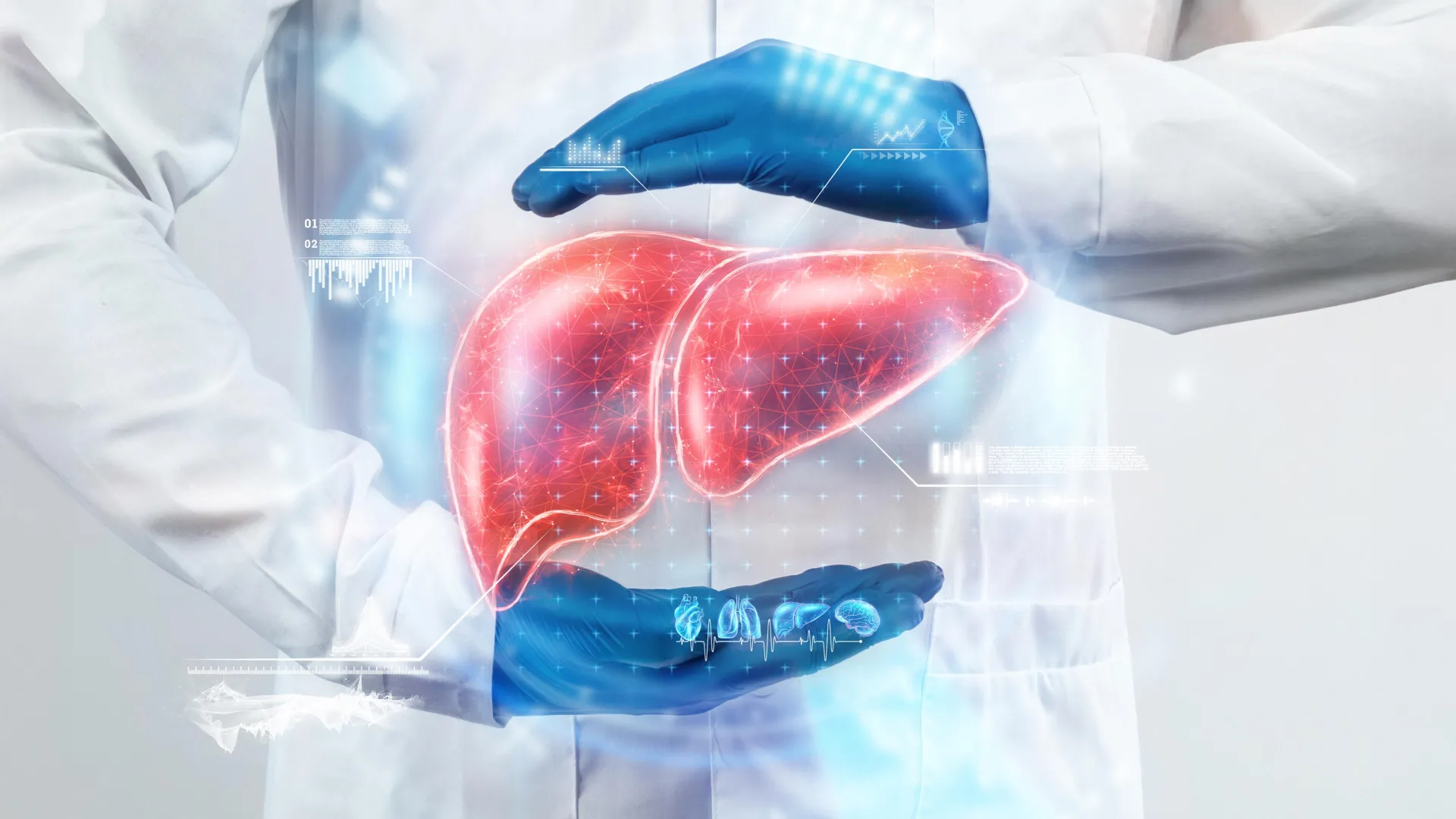
Scientists reversed liver aging with young gut bacteria in stunning study
Share
Facebook Twitter LinkedIn Pinterest Email


Scientists may have discovered a powerful new link between the gut microbiome, aging, and liver cancer. New research presented at Digestive Disease Week® (DDW) 2026 suggests that restoring gut bacteria to a more youthful state could help protect the liver, reduce age related damage, and potentially lower cancer risk.

The findings come from a mouse study focused on the microbiome, the vast community of bacteria and other microbes living in the digestive system. Researchers found that giving older mice back their own younger gut microbes produced striking effects throughout the body, especially in the liver.

Young Gut Microbiome Protected Aging Mice

To test the idea, scientists collected fecal samples from eight young mice and preserved them for later use. As the mice aged, the researchers transplanted the stored samples back into the same animals through a process known as fecal microbiota transplantation, or FMT.

Another group of eight aging mice served as controls and received sterilized fecal material instead. Researchers also included a small group of young mice to provide baseline comparisons.

By the end of the study, none of the mice that received their restored youthful microbiome developed liver cancer. In contrast, liver cancer appeared in 2 out of 8 untreated aging mice. The treated mice also showed lower levels of inflammation and reduced liver injury.

“We’re learning from this work that the aging microbiome actively contributes to liver dysfunction and cancer risk rather than simply reflecting the aging process,” said Qingjie Li, PhD, associate professor in the Division of Gastroenterology and Hepatology at The University of Texas Medical Branch, and lead researcher on the study. “The microbiome has a broader influence on the body’s cancer defenses than previously understood.”

Researchers Found Changes in a Cancer Related Gene

After completing the in vivo study, the research team closely examined liver tissue from the mice. They discovered important differences involving MDM2, a gene already associated with liver cancer development.

Young mice showed low levels of the MDM2 protein, while untreated older mice had much higher levels. Older mice that received the restored microbiome had suppressed MDM2 levels that more closely resembled those seen in younger animals.

“Restoring a more youthful microbiome can reverse several core features of aging at both the molecular and functional level, including inflammation, fibrosis, mitochondrial decline, telomere attrition, and DNA damage,” Dr. Li said.

Earlier Heart Research Led to the Discovery

The liver findings emerged unexpectedly from previous research examining the microbiome’s effects on heart health. In that earlier cardiac study, scientists observed that altering gut bacteria appeared to improve heart function.

However, when the researchers later analyzed tissue samples, they noticed even stronger effects in the liver. That observation prompted the team to investigate the connection more deeply.

To reduce the chances of immune complications or infection, the researchers used each mouse’s own preserved microbiome rather than relying on donor samples. They said this approach also creates a clearer proof of concept for possible future human studies.

Dr. Li stressed that the findings are limited to animal research and cannot yet be applied to people. Still, he said the team hopes to begin first in human clinical trials in the near future.

Share. Facebook Twitter Pinterest LinkedIn Tumblr Email
Previous ArticleDyson’s powerful 360 Vis Nav robovac is down to $279.99 for a limited time
Next Article Tennessee redistricting plan splits Memphis neighbors and reshapes midterms as other states follow
primereports
  • Website

Related Posts

Healthcare Innovation

Scientists discover the brain’s hidden “stop scratching” switch

May 11, 2026
Healthcare Innovation

RFK Jr.’s collection of animal parts raises questions of bioethical judgment

May 11, 2026
Healthcare Innovation

Scientists successfully transfer longevity gene and extend lifespan

May 11, 2026
Add A Comment
Leave A Reply Cancel Reply

Top Posts

Global Resources Outlook 2024 | UNEP

December 6, 20258 Views

The D Brief: DHS shutdown likely; US troops leave al-Tanf; CNO’s plea to industry; Crowded robot-boat market; And a bit more.

February 14, 20265 Views

German Chancellor Merz faces difficult mission to Israel – DW – 12/06/2025

December 6, 20254 Views
Stay In Touch
  • Facebook
  • YouTube
  • TikTok
  • WhatsApp
  • Twitter
  • Instagram
Latest Reviews

Subscribe to Updates

Get the latest tech news from FooBar about tech, design and biz.

PrimeReports.org
Independent global news, analysis & insights.

PrimeReports.org brings you in-depth coverage of geopolitics, markets, technology and risk – with context that helps you understand what really matters.

Editorially independent · Opinions are those of the authors and not investment advice.
Facebook X (Twitter) LinkedIn YouTube
Key Sections
  • World
  • Geopolitics
  • Cybersecurity
  • Popular Now
  • Crypto
  • Artificial Intelligence
All Categories
  • Artificial Intelligence
  • Climate Risks
  • Crypto
  • Cybersecurity
  • Defense
  • Economy
  • Geopolitics
  • Global Markets
  • Healthcare Innovation
  • Politics
  • Popular Now
  • Science
  • Technology
  • World
  • About Us
  • Contact Us
  • Privacy Policy
  • Terms & Conditions
  • Disclaimer
  • Cookie Policy
  • DMCA / Copyright Notice
  • Editorial Policy

Sign up for Prime Reports Briefing – essential stories and analysis in your inbox.

By subscribing you agree to our Privacy Policy. You can opt out anytime.
Latest Stories
  • Space Force to Overhaul Key Early Warning, Surveillance Radars
  • The story of the first human tool: the humble container
  • War in Iran; Congress on ICE funding; Hantavirus : NPR
© 2026 PrimeReports.org. All rights reserved.
Privacy Terms Contact

Type above and press Enter to search. Press Esc to cancel.