

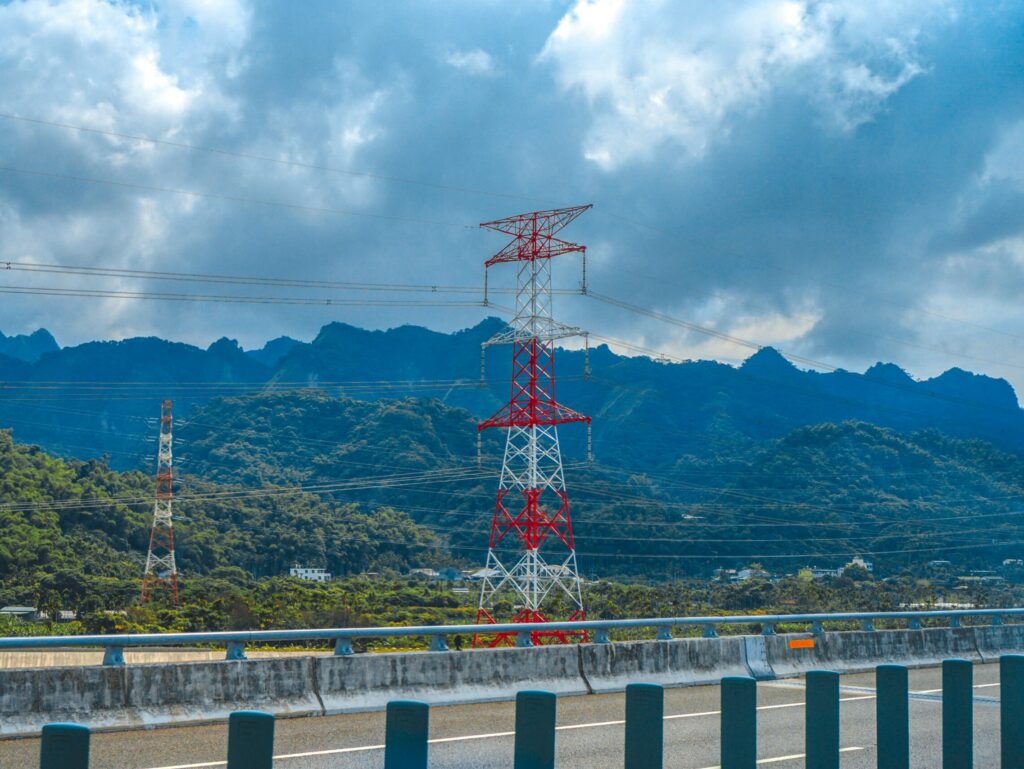
The unfolding global energy crisis triggered by the US-Israel war against Iran threatens to expose Taiwan’s long-standing energy weaknesses. Taiwan relied on imports to meet 95 percent of its energy needs in 2025, including over 99 percent of its demand for oil and natural gas. Furthermore, before the war, it received over 38 percent of its annual natural gas supply and approximately 70 percent of its crude oil from the Middle East, according to data from Kpler.
To address the supply shortfall the war has created, Taiwan has assured the public that it has about 150 days of oil supply in reserve and has secured sufficient supplies of liquefied natural gas (LNG) to meet consumption needs through April. However, the expected summer surge in electricity demand could create severe energy shortages if shipments through the Strait of Hormuz don’t resume soon. In this scenario, there are measures Taiwan can take to ease the severity of the economic impact—but only slightly. An extended crisis could see large energy price spikes or even power rationing, potentially disrupting semiconductor manufacturing and cascading through global supply chains. Over the longer term, this energy shock serves as an urgent reminder that Taiwan should expedite its renewables build-out and promptly commit to restarting its nuclear power plants to alleviate its overreliance on fossil fuel imports.
Taiwan’s oil reliance has declined, but remains high
The oil intensity of the Taiwanese economy has decreased steadily over the past two decades, matching the larger global trend. This decline is attributable to energy efficiency improvements, the reduced role of oil in power generation, and the expansion of the services and semiconductor industries, which have diminished the relative weight of the oil-dependent petrochemical sector within the Taiwanese economy. However, Taiwan remains more oil-intensive than other major economies, leaving it comparatively more vulnerable to oil supply shocks. In the long run, oil intensity should continue to fall as semiconductors grow to represent a larger share of Taiwan’s gross domestic product (GDP).
Taiwan’s pivot toward natural gas creates new vulnerabilities
While oil intensity has fallen, the relative importance of natural gas within Taiwan’s electricity mix has surged, intensifying dependence on another form of imported energy. The share of natural gas in Taiwan’s power generation has expanded from around 17 percent in 2006 to nearly 48 percent in 2025. This growth was accelerated by the Democratic Progressive Party (DPP)’s policies to reduce coal usage and fully phase out nuclear power, a goal achieved in May 2025. Furthermore, although the semiconductor industry has contributed to declining oil intensity through its growing economic importance, the high energy-intensity of chip manufacturing will likely continue to increase overall demand for electricity as the sector expands. Indeed, the broader category of electronics and electrical equipment manufacturing already accounts for nearly a quarter of electricity consumption, with the Taiwan Semiconductor Manufacturing Company (TSMC) alone accounting for almost 10 percent.
Taiwan has mitigated the risks of its reliance on natural gas imports by diversifying LNG suppliers and expanding procurement from like-minded partners such as Australia and the United States. Nevertheless, Qatar still accounts for around a third of the island’s LNG imports, meaning an extended Strait of Hormuz closure or QatarEnergy production stoppage could be especially damaging for Taiwan. The current crisis presents a test for the Taiwanese government’s ability to respond effectively to supply disruptions. Taiwan only has 11 days of natural gas inventories in reserve, which is much lower than other LNG import dependent East Asian countries such as South Korea and Japan. The Ministry of Economic Affairs recently secured enough alternative shipments to meet demand through April and has publicly ruled out the possibility of a natural gas shortage. The Taiwanese government is seeking to source additional shipments from Australia and the United States from May onward, and has already announced new supply contracts to increase US LNG imports beginning in June. In the long run, Taiwan should continue to increase imports from not only the United States, but also Southeast Asia and other regions.
Rising electricity demand in the summer could lead to severe shortages
If Iran-related energy import disruptions continue into the summer, it could become increasingly difficult for Taiwan to replace its supply of Qatari LNG. This is especially true given that electricity demand will likely surge going into July and August. Demand in July has historically been up to 40 percent higher than in February. In addition, Taiwan’s other LNG import-dependent neighbors such as South Korea and Japan would also need to replace their Middle Eastern LNG shipments, possibly creating competition for limited alternative supplies. While the Minister of Economic Affairs has stated that there is currently no need for power rationing, an extended shortage paired with summer heat could create difficult tradeoffs between household demand and industrial needs, such as those required for semiconductor manufacturing.
The current crisis heightens urgency for long-term action to strengthen energy security
Despite ongoing efforts to diversify its energy mix and import sources, Taiwan’s structural energy challenges remain largely unresolved. While energy import dependency has fallen slightly over the past few years, the pace of change remains far too slow to mitigate the risks of extended global supply shocks. The Taiwanese government’s current strategy for seeking alternative LNG shipments is prudent, but it may prove insufficient to avert an energy shortage as summer demand peaks. Given this immediate risk, Taiwan may need to substantially expand its ongoing emergency response through LNG spot market procurement and short-term contract renegotiation, all of which will likely come at higher costs. Beyond the current moment, however, nuclear and renewable energy present the only realistic options for Taiwan to achieve some level of energy self-sufficiency given the island’s inherent geographic limitations. Expanding investment in its energy security will also better prepare Taiwan for a potential cross-Strait contingency. How Taiwan chooses to address these vulnerabilities based on lessons learned from the current energy shock will determine how well it responds if confronted by more acute challenges in the future.
Kevin Li is a young global professional at the Atlantic Council’s Global Energy Center.
STAY CONNECTED
Sign up for PowerPlay, the Atlantic Council’s bimonthly newsletter keeping you up to date on all facets of the energy transition.
RELATED reading
Explore the program

The Global Energy Center develops and promotes pragmatic and nonpartisan policy solutions designed to advance global energy security, enhance economic opportunity, and accelerate pathways to net-zero emissions.
Image: Photo by Lisanto 李奕良 on Unsplash
